
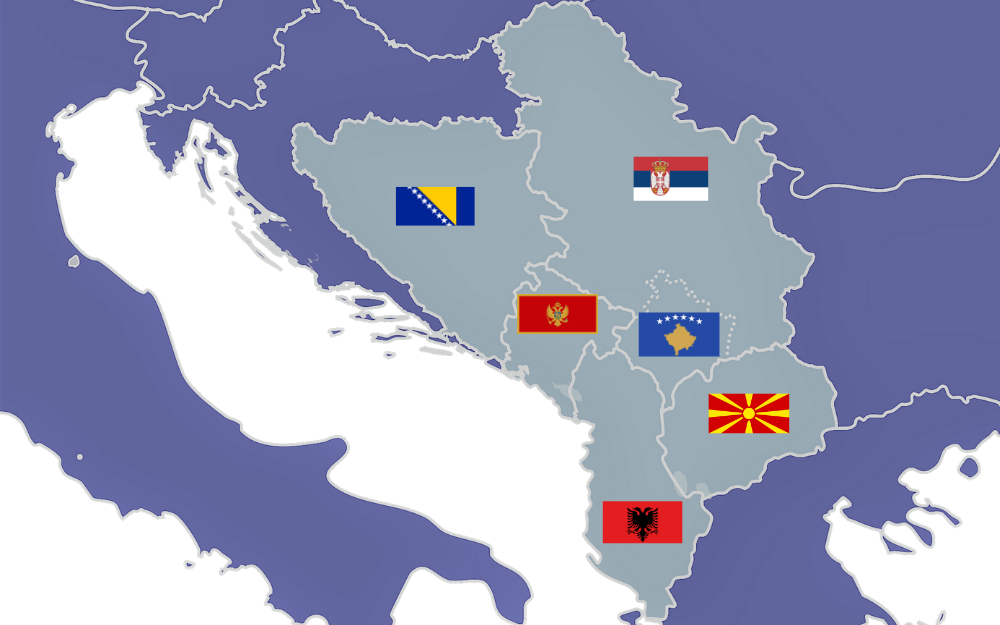
Civil society organisations from the Western Balkans have published a health- and human rights-based analysis of the EU Drugs Strategy 2026 – 2030, examining its relevance and implications for South East Europe, including both EU Member States and EU candidate countries.
The analysis is developed from the perspective of organisations working on public health, harm reduction, human rights, and social inclusion, and aims to contribute constructively to policy dialogue at national, regional, and EU levels. It highlights the importance of treating drug policy primarily as a health and social issue, rather than a punitive or security-led one.
Key messages from the analysis
The document underlines that the EU Drugs Strategy 2026 – 2030 provides an important opportunity to strengthen evidence-based, humane, and rights-centred drug policies across South East Europe. Civil society organisations emphasise in particular:
- The central role of the right to health, human dignity, and non-discrimination in drug policy
- The need to recognise harm reduction as an essential pillar, including access to services such as opioid agonist therapy, needle and syringe programmes, and overdose prevention
- The importance of addressing stigma and discrimination, which remain major barriers to accessing healthcare and social services
- Ensuring continuity of care, especially in prisons, detention settings, and during transitions back into the community
- The value of meaningful participation of civil society and people with lived experience in policy design, implementation, and monitoring
Relevance for South East Europe
The analysis stresses that drug-related challenges are cross-border and shared across South East Europe, making regional cooperation essential. The EU Drugs Strategy offers a common framework that can help reduce policy fragmentation, strengthen public health systems, and promote closer cooperation between EU Member States and candidate countries.
For EU candidate countries in the Western Balkans, the Strategy also supports alignment with EU standards in the areas of public health, human rights, and governance, contributing to accession-related reforms. For EU Member States in South East Europe, it reinforces health-centred approaches, supports more effective use of resources, and helps reduce pressure on criminal justice systems.
A call for balanced implementation
Civil society organisations underline that the impact of the EU Drugs Strategy will depend on its implementation. The analysis calls for a comprehensive and balanced Action Plan that translates strategic commitments into concrete measures, with adequate funding, clear health-focused indicators, and strong human rights safeguards.
The analysis is intended as a contribution to ongoing discussions with policymakers, EU institutions, and regional partners, and as a tool for advocacy, dialogue, and cooperation in building more inclusive, healthier, and safer societies across South East Europe.
The analysis is available here>>>.