Harm reduction crisis in South East Europe

Correlation – European Harm Reduction Network, the Eurasian Harm Reduction Association and the Drug Policy Network of South-Eastern Europe have been working together to advocate for addressing the harm reduction crisis in South East Europe since 2019.

The three networks are hosting an online discussion about the funding challenges and opportunities for governments to the crisis of harm reduction services in SEE countries and the Balkans.

The webinar will take place on the 20th of April from 13:00h to 14:30h CET.

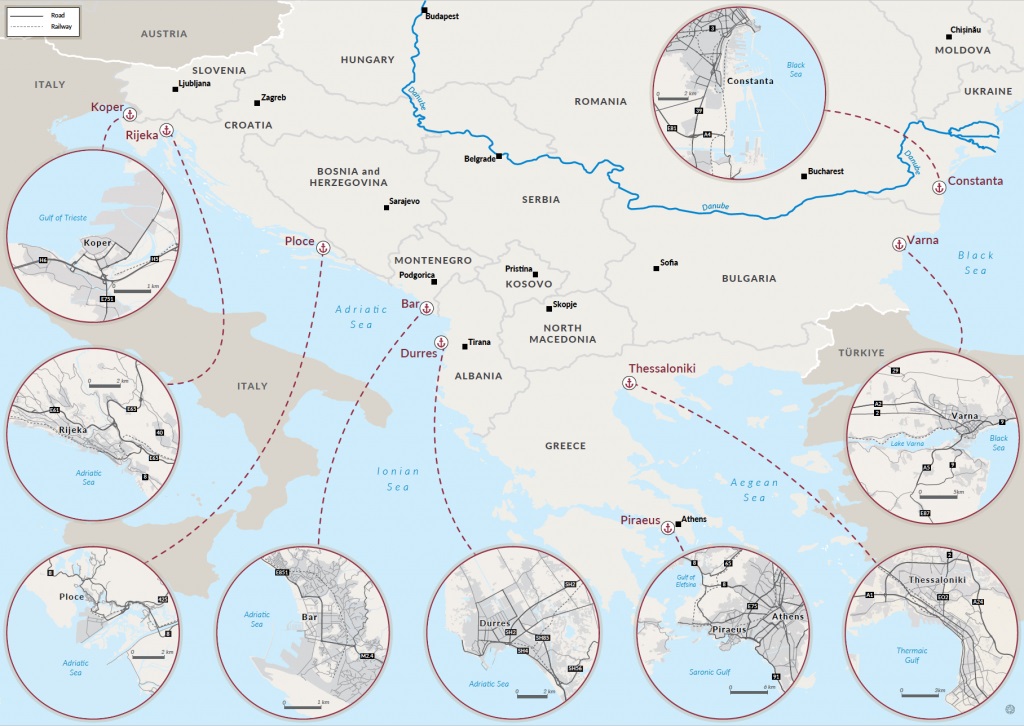
Countries of South-Eastern Europe and the Balkans, including Albania, Bosnia and Herzegovina, Bulgaria, Kosovo, Montenegro, Romania and Serbia, are experiencing relatively high levels of HIV and HVC infection among people who inject drugs. However, due to limited domestic resources and the gradual withdrawal of the Global Fund from the region, the governments of these countries are facing a lack of resources to continue the long-term funding of comprehensive harm reduction programmes.

During this webinar, C-EHRN, EHRA and DPNSE will present the research they have conducted in the area as well as opportunities available for the governments of the region to act and invest funds and efforts in effective and proven models of harm reduction in their respective countries.

The webinar is open to national decision-makers from the SEE region, the Balkans and other European countries, researchers, harm reduction activists, civil society representatives, harm reduction service providers and the media.

The event will be held in English. To register and to receive the complete webinar agenda, please fill in the form https://us02web.zoom.us/webinar/register/WN_-4Dh14MmQumJc3mPJxZgOw

Please contact for more details: Roberto Perez Gayo rpgayo@correlation-net.org


Fight Against Corruption: The Western Balkans in Focus

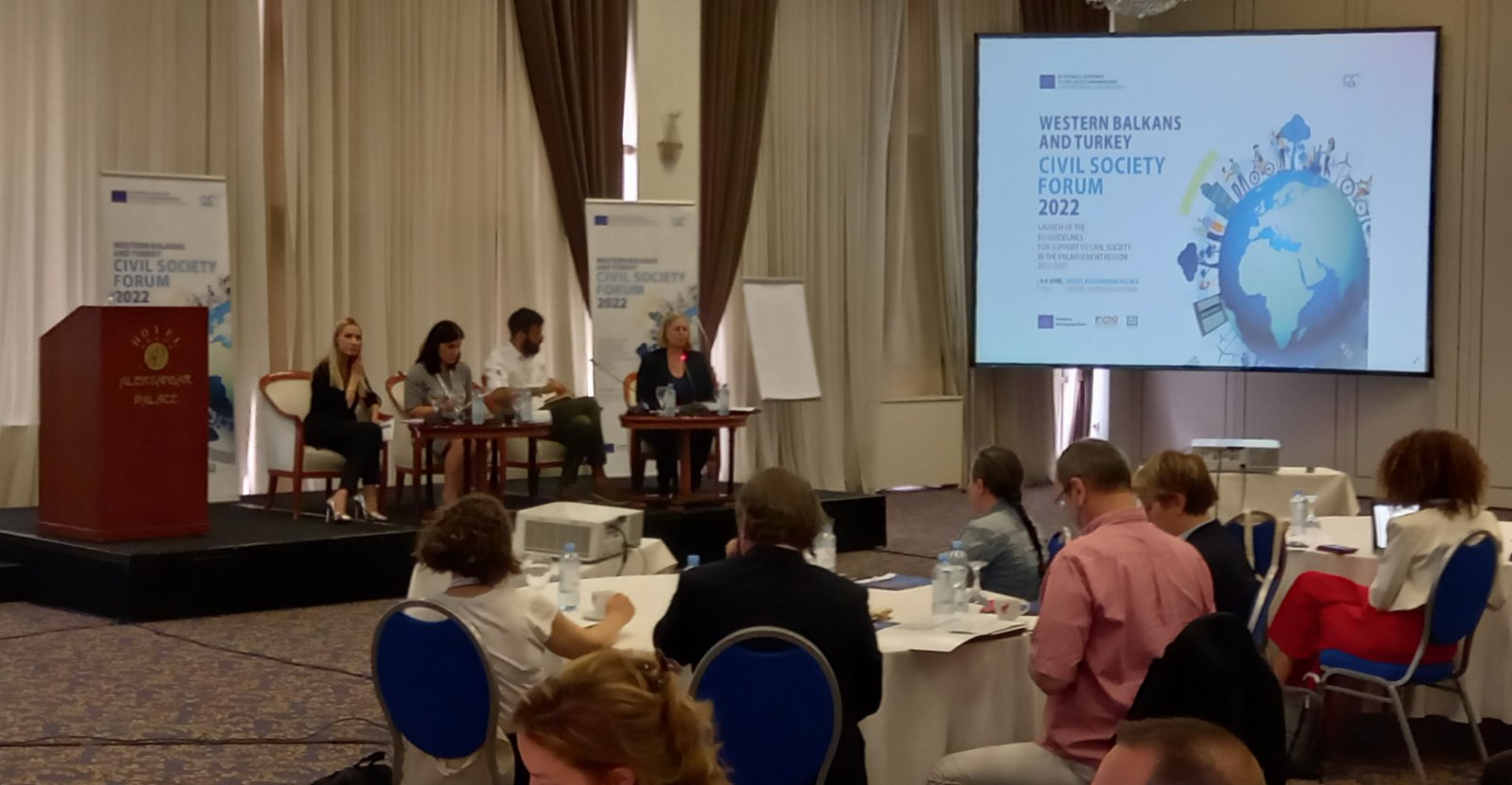
The Southeast Europe Leadership for Development and Integrity (SELDI) organised the regional policy forum Fight Against Corruption: The Western Balkans in Focus on 7 April 2022 in Skopje. The Forum focused on the challenges that Western Balkan societies face in closing the institutional gaps that allow the flourishment of corruption.

The forum included a presentation of SELDI’s Corruption Monitoring System (CMS) for the period 2014-2021. Dr. Aleksandar Gerganov, Senior Analyst at the Center for Study of Democracy underlined that the anti-corruption progress achieved in the Western Balkans between the early 2000s and mid-2010s has been halted or even reversed. Self-reported involvement in corruption in the Western Balkans remains very high – 20-40% of the citizens admit to having paid some kind of a bribe. Tolerance of corruption by the general public, although declining, still ranges between 25% and 40%. The most concerning fact, revealed by the CMS however, was that the overwhelming majority of the citizens has lost hope in the feasibility of anti-corruption policy responses. This points to a deep-seated crisis in the trust in governments.

In conclusion, the representatives of the CSOs agreed that the lack of political will in implementing systemic reforms remains as a core democracy challenge. The participants called for more decisive actions, including stricter monitoring of budget spending, harsher sanctions for rule of law violations, and increased support and EU funding for those who implement successful reforms. The adoption of new laws on lobbying and on the seizure of assets, the opening of registers, the cross-border exchange of information allowing checks of asset declarations, as well as the media portrayal of victims of corruption were also among the policy recommendations voiced at the forum.

More about the Forum, including presentation and recording, is available following this link>>>.


Crisis in harm reduction funding

Correlation – European Harm Reduction Network, the Eurasian Harm Reduction Association and the Drug Policy Network of South-Eastern Europe have been working together to advocate for addressing the harm reduction crisis in South East Europe since 2019.

Countries of South-Eastern Europe and the Balkans, including Albania, Bosnia and Herzegovina, Bulgaria, Kosovo, Montenegro, Romania and Serbia, are experiencing relatively high levels of HIV and HVC infection among people who inject drugs, including those who inject psychoactive substances. However, due to limited domestic resources and the gradual withdrawal of the Global Fund from the region, the governments of these countries are facing a lack of resources to continue the long-term funding of comprehensive harm reduction programmes. In addition to these and other barriers, in some countries, there is no legal basis for NGOs to provide services to marginalized populations, including people who use drugs.

Graham Shaw produced the research he have conducted with our and support of our colleagues from the region.

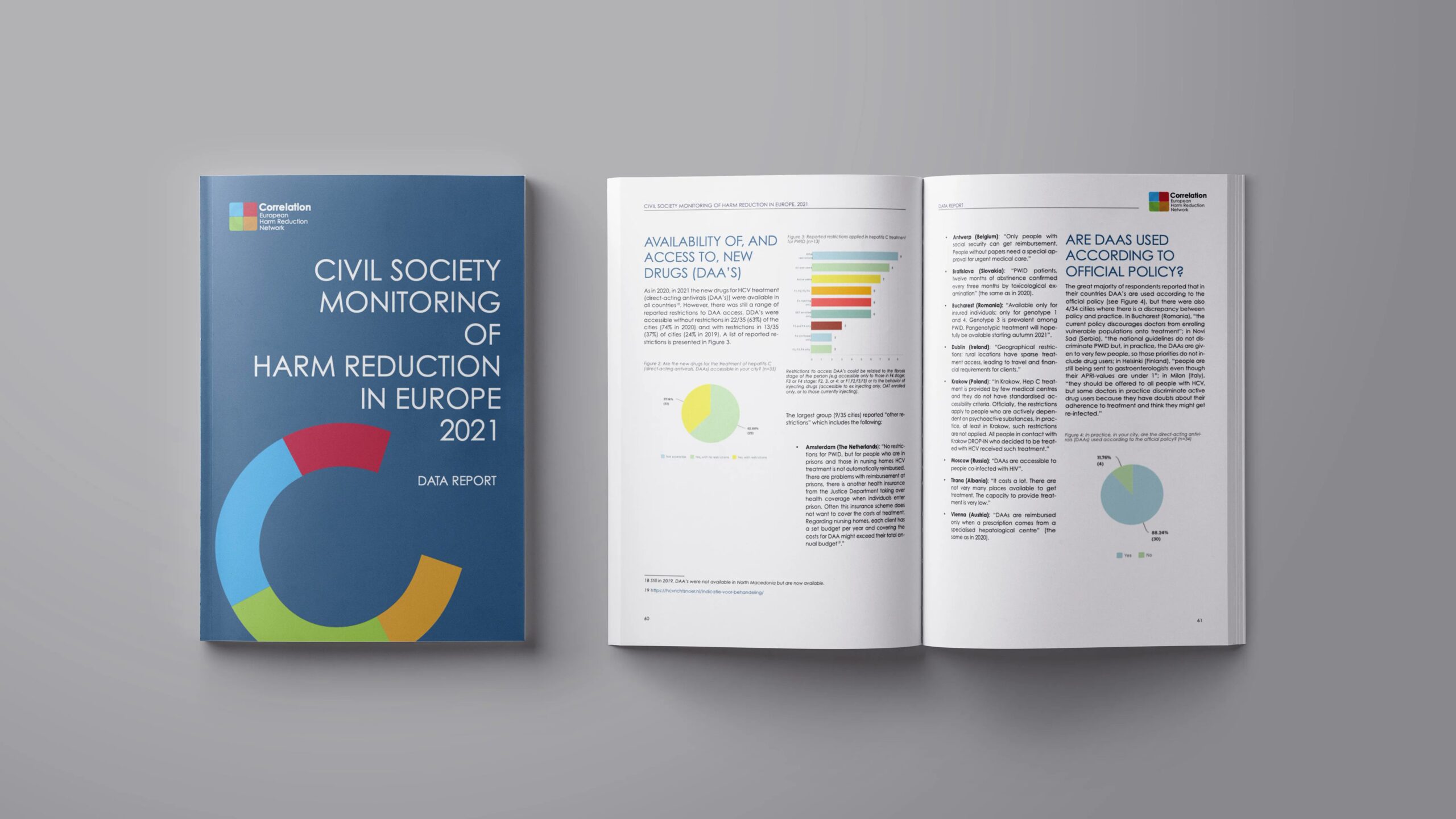
The following report, policy briefing and factsheet present and analyze current common challenges of scaling-up harm reduction programmes in the countries of South-Eastern Europe and the consequences of the limited funding of the harm reduction services for public health and national healthcare systems. Building upon this research, these publications highlight opportunities available for the governments of the region to act and invest funds and efforts in effective and proven models of harm reduction in their respective countries.

Report


Policy brief


Factsheet

European Testing Week 2022

European Testing Week is a European campaign that encourages partner organisations – in community, health care and policy institutions – throughout Europe to unite for one week twice a year to increase testing efforts and promote awareness on the benefits of earlier hepatitis and HIV testing. This initiative has progressed since its start in 2013 and has grown to be a widely recognised European event with hundreds of organisations participating every year. What once started as an annual event has now become a biannual event with two ETWs occurring each year in Spring (May) and Autumn (November). Each organisation volunteers their own time to organise their Testing Week activities and create incredible displays of a united effort to increase testing awareness at all organisational levels.

Now in its ninth year, the European Testing Week initiative will host the Spring and Autumn ETWs on the following dates:

  • Spring ETW: 16 – 23 May 2022
  • Autumn ETW: 21 – 28 November 2022

The aim of the Spring and Autumn ETWs remain the same: to unite partner organisations throughout Europe for one week to increase access to testing and promote awareness on the benefits of earlier hepatitis and HIV testing.

If you are interested in joining the campaign, visit this link>>> and register your organisation!


The right to sit at the table

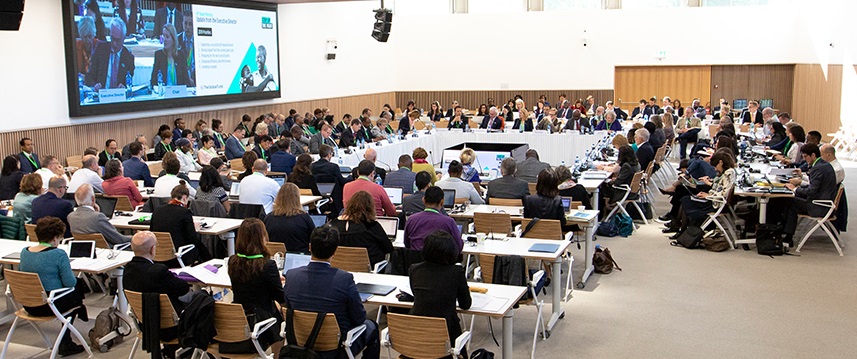
The Civil Society Forum on Drugs (CSFD) is an expert group to the European Commission. Its membership comprises 45 civil society organisations coming from across Europe and representing a variety of fields of drug policy, and a variety of stances within those fields.

The Rights Reporter Foundation produced a new video on why is it important to involve civil society in drug policy decision making, featuring the members of the EU’s Civil Society Forum on Drugs by interviewing its members about the valuable contribution civil society is doing in the field of drug policies in Europe. The movie was produced with the support of the EC JUST Drug Policy Grant.


London adopts new approaches to reduce drug-induced deaths

The London Assembly’s health committee released a new report on 17 March 17 urging Mayor Sadiq Khan to cooperate with the government and police to develop a new strategy to combat drug fatalities in the city. The report argues that drug checking services should be provided in London, including at clubs and music events.

Given the increase in drug-related deaths over the last decade there have been growing calls for the adoption of new approaches focusing on harm-reduction methods. The report states that harm-reduction approaches would “not only benefit those who are using drugs but reduce harm to and the costs for their wider communities.

The Committee’s investigation focuses on three harm-reduction interventions – drug-checking services, naloxone and drug-consumption rooms – to understand whether these could reduce drug-related deaths in London; the barriers that may be faced in rolling these out; and the solutions to address these barriers. These interventions were chosen because they have an existing evidence base, having been trialled or implemented in other parts of the world or the UK.

Recommendations also include practical advices to authorities:

  • The Government should introduce a national naloxone programme in England
  • Thee Mayor’s Drugs Commission should work with partners and service providers to assess the availability of naloxone in relevant settings in London, as well as the education and training levels of staff; and identify barriers and solutions to ensure adequate and consistent access across the capital.
  • The Mayor should lead a public awareness campaign on naloxone and how it is used to save lives in the event of an overdose.
  • The Mayor should run a campaign with partners to educate Londoners about how to reduce drug harm and deaths.


To read report, follow this link>>>.


How to prevent marijuana industry monopolies?

With many U.S. cannabis executives arguing that federal legalization is only a matter of time, industry insiders and politicians are increasingly focused on how to structure a national marijuana marketplace that is both vibrant and diverse.

To that end, former Massachusetts cannabis regulator Shaleen Title published a white paper last month laying out proposals for how Congress can help ensure the marijuana industry won’t be dominated by multistate operators and national brands. The paper is titled, “Bigger is not better: Preventing monopolies in the national cannabis market”.

It is a crucial and vulnerable moment for the future of the cannabis market. While states are making historic progress creating paths for small businesses and disenfranchised groups, larger companies are expanding, consolidating, and lobbying for licensing rules to create or maintain oligopolies. Federal legalization will only accelerate the power grab already happening with new, larger conglomerates openly expressing interest. Left unchecked, this scramble for market share threatens to undermine public health and safety and undo bold state-level efforts to build an equitable cannabis marketplace.

This paper argues for intentionally applying well-developed antitrust principles to federal cannabis reform now, before monopolization of the market takes place, and offers eight concrete policy recommendations:

  1. Allow people to grow a reasonable number of marijuana plants for personal use.
  2. Prohibit vertical integration.
  3. Do not cap the number of business licenses available in total, but limit how much of a market any one person or entity may control.
  4. Create incentives for states to license small or disadvantaged businesses.
  5. Enforce ownership limits and review mergers based on existing evidence of predatory and anticompetitive tactics in state marijuana markets.
  6. Disqualify corporations from the cannabis industry if they have engaged in corporate crimes, defrauded the public, or caused significant public health damage.
  7. Create a multi-agency task force to enforce anti-monopoly limits.
  8. Authorize states to ban or delay interstate commerce in order to preserve state-level advantages to local businesses.


The document is available following this link>>>.


UN Commission on Narcotic Drugs listens to youth voices

UNODC’s Youth Forum, held from 28 February to 4 March 2022, welcomed its highest-ever number of participants in 2022. 74 young people connecting in from 43 countries were enthusiastic to learn about evidence-based substance use prevention and share each other’s different perspectives and experiences. Two representatives of our member organisations participated in the Forum this year: Sara Vukelić from Re Generation and Tedi Jaho from Aksion Plus.

Throughout the week, participants embraced take-home messages on evidence-based drug use prevention and imagined how they would like to see positive change reflected in their communities. Youth alumni (participants of previous Youth Fora) warmly welcomed the youth of 2022 and inspired the participants by describing the actions they took after their own experience of the Youth Forum. The young leaders also worked together actively to create a statement of the key messages they wished to convey to the global policymakers attending this week’s 65th session of the Commission on Narcotic Drugs (CND) (14-18 March).

The youth were invited to deliver their Youth Statement 2022 to delegates attending the Plenary session of the CND on Thursday 17 March. Speaking on behalf of all Youth Forum 2022 participants, Ms. Ingrid Engene Gøranson (Norway) and Mr. Carlos Araujo (El Salvador) urged Member States to continue to invest in evidence-based substance use prevention, and in doing so, to “recognize the tremendous competency, capacity, and motivation of youth by creating opportunities for involvement in policy and decision-making.”

We have a specific goal: for all people to be healthy,” they said. “In pursuing this goal, we must be committed to prevention now, for the success of future generations,” they added. In their joint statement, the youth requested that young people are engaged “not only as instruments, but as the driving force behind the global implementation of evidence-based prevention programs for youth.”

UNODC commends the young leaders on taking interest in and action towards drug use prevention amidst the continuing challenges presented by COVID-19. As the Youth Initiative steps forth into a new decade of action after marking ten years of its launch in 2012, UNODC reaffirms its commitment to support meaningful youth engagement in addressing the world drug problem, in particular through empowering youth voices in the field of substance use prevention.

The Youth Statement is available following this link>>>.


Sexual violence when out at night

From the Sexism Free Night project website

The research activities of Sexism Free Night were based in a Europe-wide websurvey aimed at collect information on the prevalence of sexism and sexual violence among over-18s in Europe, and to analyse its intersections with specific key factors such as patterns of drug use, participation in nightlife and party environments, nightlife mobility and beliefs about sexual violence.

We have asked questions about people’s nightlife experiences, acknowledging the COVID19 pandemic happening at the time of survey launching. The time frame included going out before the covid-19 outbreak and also going out in the context of social isolation (e.g. small parties or meetings at home, in nature or public spaces with friends, informal parties in hidden locations or video calls and live streaming events).

The survey was developed and translated into eight different languages: English, Spanish, French, Portuguese, Serbian, German, Latvian and Slovenian, while data collection was implemented from 25.11.2020 until 31.12.2020.

Total number of web survey respondents from European countries was 10.148, while 4534 people completed the survey in full and were considered for the analysis. Results of the survey also served for later design of our European Campaign and Training.

To read full report follow this link>>>.


CND side events organised by CSFD members

Member organisations of the Civil Society Forum on Drugs (CSFD) have prepared an impressive list of 24 side events for the UN Committee on Drugs and Narcotics (CND) that will take place the next week. The list of the side events is available following this link>>>.

One of the side events is organised by the CSFD: “Driving change from a shrinking space: Challenges to effective civil society participation in drug policy making“, which will take place on Wednesday 16 March, at 9am Vienna time. It is prepared by the Brussels Federation of Institutions for Drug Addicts with the support of Czechia, the Civil Society Forum on Drugs in the EU, the Council of Europe – Pompidou Group, the

European Union and the French NGO Platform on Drug Policy.

The event will take stock of the main challenges to effective civil society and community participation in both international and national-level drug policy making, with a particular focus on the shrinking space for civil society in certain contexts and on the impact of COVID19-related restrictions, and it will seek to provide concrete and actionable recommendations to decision-makers.

The 65th session of the CND will take place on 14-18 March 2022 via hybrid format with most participation taking place remotely. A final Programme for the session is available here>>>.