From the Correlation website
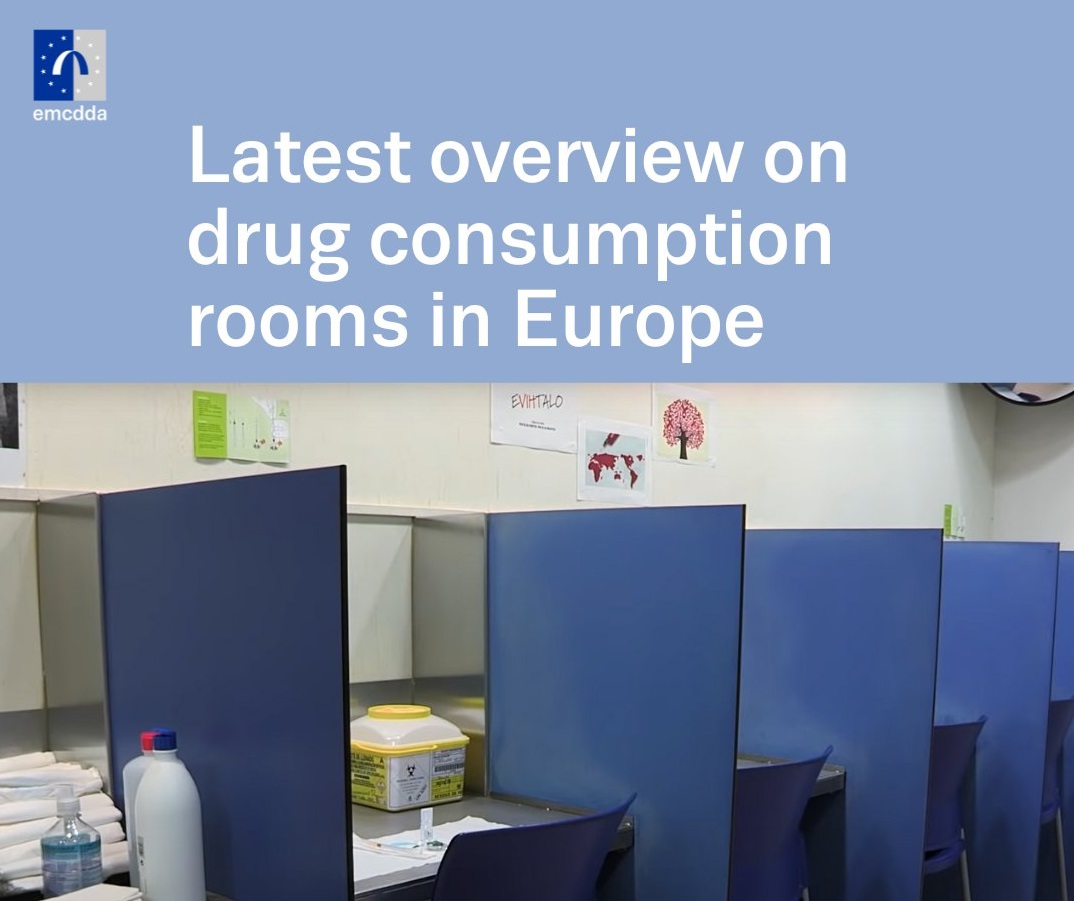
The European Monitoring Centre for Drugs and Drug Addiction (EMCDDA) and Correlation – European Harm Reduction Network (C-EHRN) have published the latest overview on the situation of drug consumption rooms (DCRs) in Europe. The purpose of the report is to encourage evidence-based discussions around DCRs and the implementation of varied DCR models in Europe.
The report is based on a mixed-methods approach, including a review of documents published by EMCDDA and C-EHRN up to 2020, together with a structured literature search for new peer-reviewed (MEDLINE) and grey publications, including relevant health and public-order outcomes of drug consumption rooms and covering the most recent years (2020 and 2021).
DCRs are a fundamental health and social response that fosters the well-being of people who use drugs by providing hygienic and safer spaces where to use substances in the presence of trained social workers and/or healthcare professionals. DCRs are usually located in areas where there is an open drug scene and where injecting in public places is common. The primary target group for DCR services are people who engage in drug use patterns that can result in dangerous health outcomes.
According to the report, in 2022, there were over 100 DCRs operating globally, with services in several EU countries such as Belgium, Denmark, France, Germany, Greece, Luxembourg, the Netherlands, Norway, Portugal and Spain, as well as in Switzerland, Australia, Canada, Mexico and the USA.
Primarily, DCRs aim to prevent drug-related overdose deaths, reduce the risks of disease transmission through the use of unhygienic supplies and/or their sharing, and connect people who use drugs with support, health and social services. Besides this, they can also aim to minimise public nuisance.
In the report, two main operational models of DCRs in Europe are described: integrated DCRs, operating within low-threshold facilities, where the supervision of drug use is just one of the services offered, and specialised DCRs, offering a narrower range of services directly related to supervised consumption.

As frontline, low-threshold services, DCRs can support the monitoring of new and emerging local trends. For example, it has been found that in Europe, injecting heroin is less common in recent years, while the use of synthetic opioids and stimulants has increased in some countries. Over the years, following a dynamic drug landscape, many harm reduction services, including DCRs, have adapted to the needs of local clients. For example, some DCRs have started providing services for smoking as well as injecting and allowing the consumption of a wider range of substances within the facility.
DCR evaluation presents specific challenges, but currently available evidence support the positive impact of DCRs on the access to healthcare and harm reduction services among people who use drugs, and especially groups that are not reached enough by these services. DCRs do not increase crime in the areas where they are located and, instead, contribute to decrease of public drug use. Evidence also shows how DCRs contribute to reducing drug-related deaths.
In addition, an expert panel recently concluded that DCRs foster safer injecting practices and therefore can contribute to reduce the transmission rate of communicable diseases among people who inject drugs.
Among other measures to reduce cases of fatal and non-fatal overdose, the EU Drugs Action Plan 2021–2025 calls for DCRs to be introduced, maintained or enhanced ‘where appropriate and in accordance with national legislation’.
The report concludes that, despite the challenges encountered in conducting research in this setting, more studies are needed to support the work of DCRs by showing their contributions to reducing both individual and community harms.
Read the joint EMCDDA and C-EHRN Report on DCRs in Europe following this link>>>.


 Mayor Halsema told that regulation of drugs such as cocaine was the only way to reduce social damage. “If we continue to fight drugs and drug users, we will remain caught in a never-ending war on drugs,” she said, opening conference. “If we want to fight crime and the violence associated with the drug trade, we need to take the drug market away from the criminals. Not by creating a free market, but by taking a controlled, responsible approach. This will reduce drug-related crime, improve public health and the general wellbeing of our citizens and relieve our criminal justice system”.




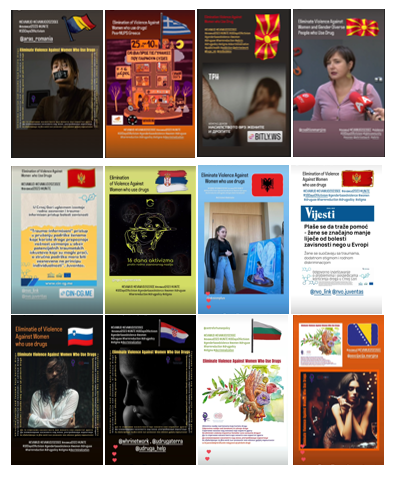
 From more than 30 social networks accounts (Facebook, Instagram and Twitter) of partners in the region, 70+ posts, stories and photos were shared. They reached arounf half a million users who interacted seeing reacting, commenting and reposting. Most of these posts were at the DPNSEE