
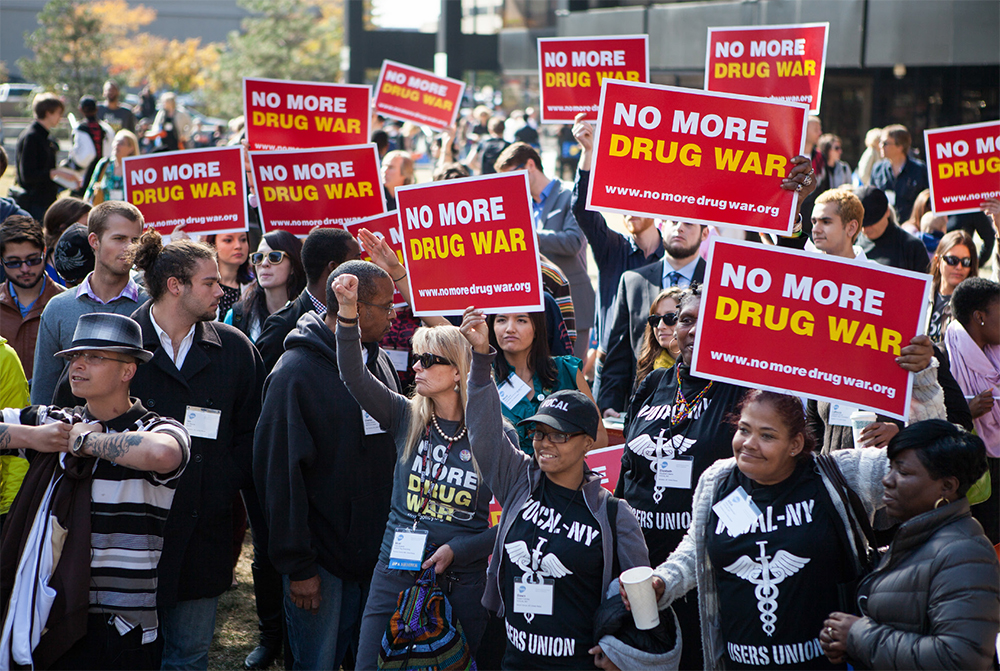
The Drug Policy Alliance released a new report making the case for rethinking the way the United States responds to the “drug dealer.” Beyond being merely ineffective, the harsh criminalization of supply-side drug market activity may actually make drug use more dangerous, increasing overdose deaths and leading to more violence in communities.
Drug prohibition and the criminalization of people who sell or distribute drugs does not reduce the harms of drug use or improve public safety. Our current approach is built on a foundation of stigma, ignorance and fear rather than evidence and creates new problems while doing nothing to solve those that already exist. Such approach to drug sales has failed. We should address drug-involvement, including most sales, outside of the failed apparatus of criminalization. We should also reduce the harms of drug distribution and repair the harm of the criminal legal system’s discriminatory response to the drug trade.
 The Drug Policy Alliance believes it is time to rethink the “drug dealer.” We must urgently assess what type of people actually fall into this category and how we as a society can respond to them in ways that will keep people and communities safer and healthier. This work has been motivated by the leadership of formerly incarcerated people and drug users unions.
Politicians of all stripes have argued that long sentences for drug sellers will reduce drug availability and make remaining drugs more expensive, driving down demand. But this is not how drug markets actually work. Research and history have shown that the vilification and criminalization of people who sell drugs does not reduce problematic drug use, reduce the availability of drugs, or keep people who use drugs safer.
With this report, the Drug Policy Alliance aims to expand the current public dialogue around drug reform, to focus on who the people now labelled “drug dealers” really are and how we, as a society, can respond to them in ways that will keep people and communities safer and healthier.
DPA has provided a set of tailored recommendations based on three broad principles:
- First, to the maximum extent possible, society should deal with drug involvement outside the destructive apparatus of criminalization – and to the extent that the criminal justice system continues to focus on drug selling and distribution, it must do so with a commitment to proportionality and due process.
- Second, we should focus on reducing the harms of drug distribution (for example, reducing drug market-related violence), rather than attempting to eliminate drug market activity.
- Third, we must take seriously the criminal justice system’s discriminatory response to the drug trade and work toward reforms that both repair the harm already done while preventing further harm to communities of colour and poor communities.
 To read, download or share the report follow this link>>>

 Authors claim that there is growing evidence to support reorienting drug policy away from an ideologically driven criminal justice-led model to one rooted in pragmatic health and harm reduction principles. Current policy is not meeting its goal of reducing harms, and greater control of MDMA production, distribution, purchase and consumption is needed in order to prevent MDMA-related emergencies.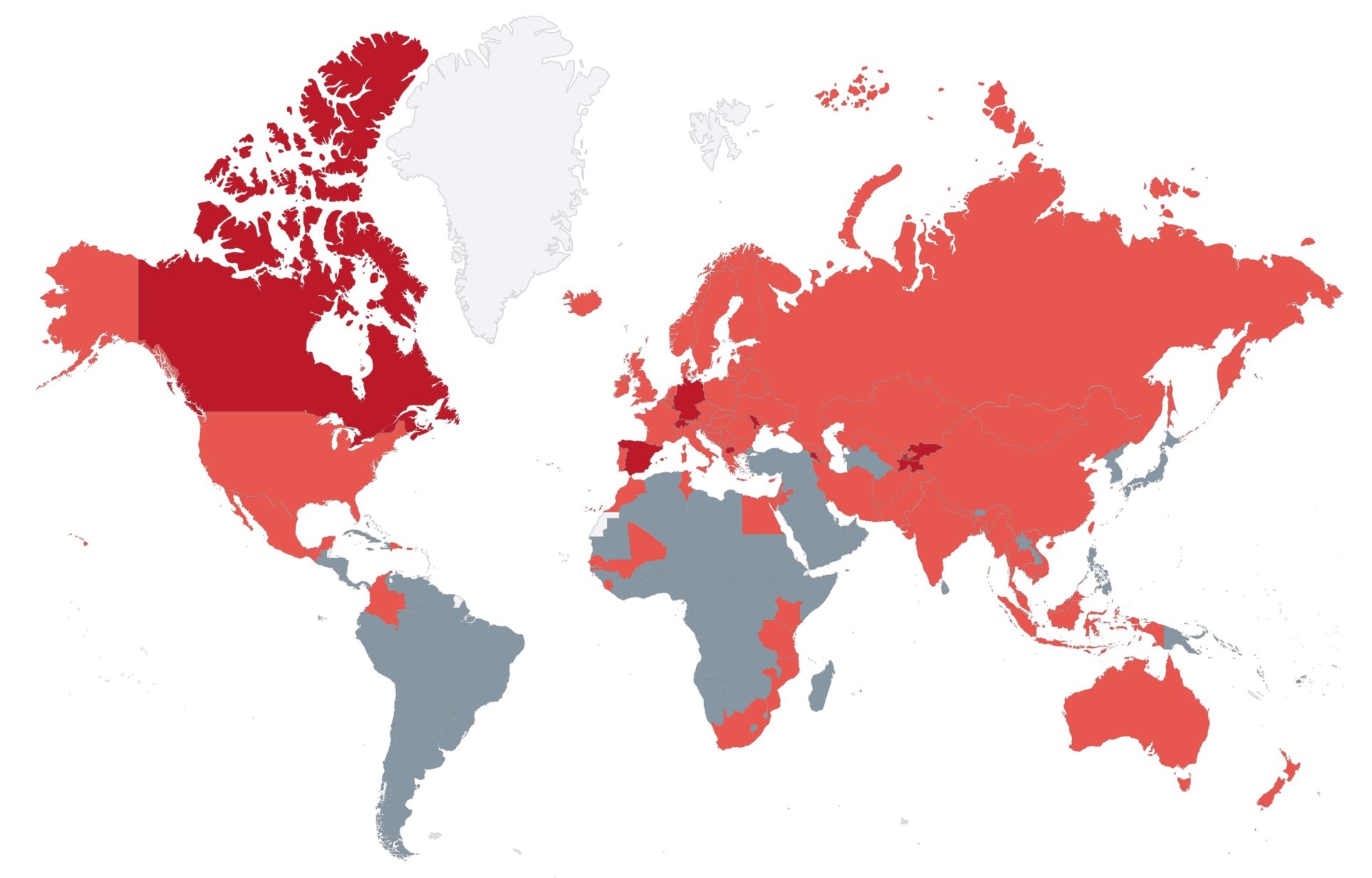


 To read full report,
 To read full Report,
 In the report, the Global Commission on Drug Policy explains how the biased historical classification of psychoactive substances has contributed to the “world drug problem”. It is the first-ever comprehensive report providing a political reading of the current evaluation and classification, or “scheduling” of drugs according to their harms. “The current distinction between legal and illegal substances is not unequivocally based on pharmacological research but in large part on historical and cultural precedents. It is also distorted by and feeds into morally charged perceptions about a presumed “good and evil” distinction between legal and illegal drugs.”
 Ruth Dreiffus, chair of the organization and a former president of Switzerland, wrote in the foreword: “…this classification or ‘scheduling’ of drugs is the cornerstone of the current repressive approach to drug policy, which has resulted in the ‘collateral damage’ of the ‘war on drugs—tragic consequences that the Global Commission on Drug Policy has condemned since its founding in 2011. The effects of prohibition—in terms of public health and security, discrimination and prison overcrowding, the rise in power of criminal organizations and the associated violence and corruption, as well as the lack of access to essential medicines—highlight the urgent need to change course and implement policies that are more effective and more respectful of human rights.”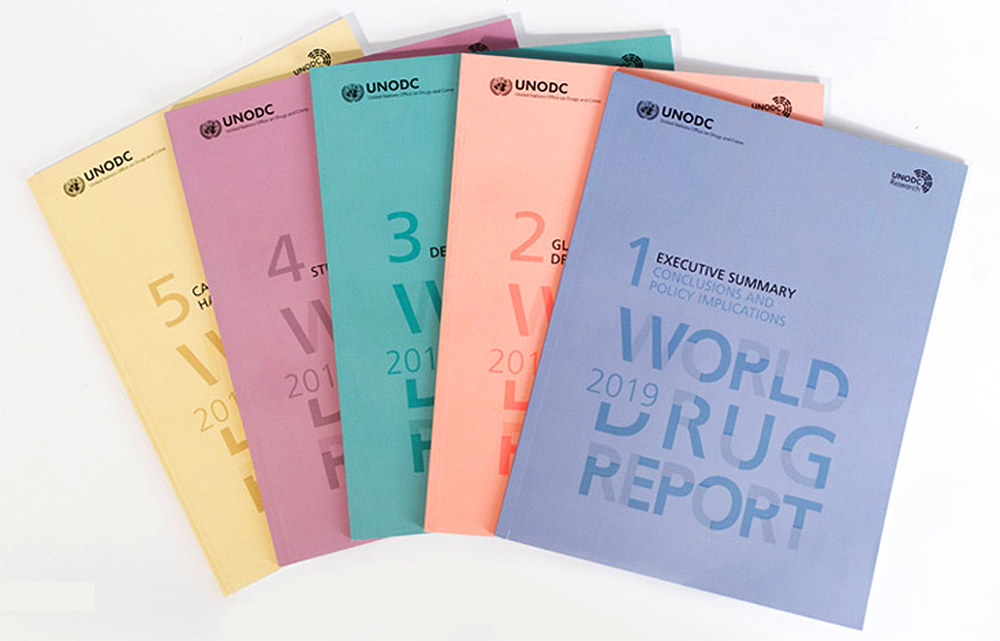
 On the occasion of the International Day Against Drug Abuse and Illicit Trafficking, the United Nations Office on Drugs and Crime (
 To read The World Drug Report 2019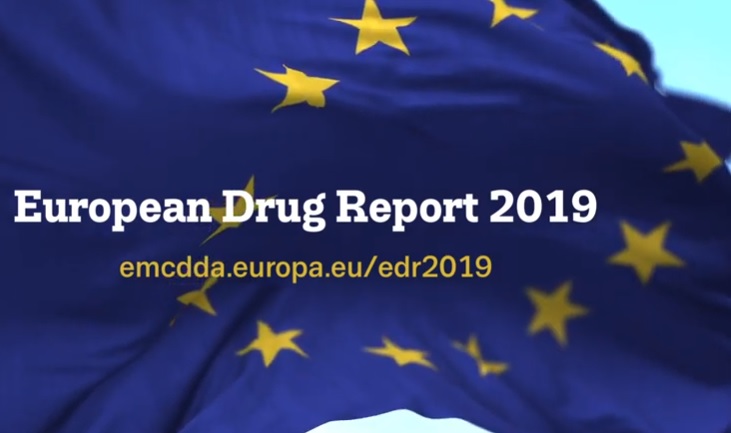



 The report is available in

 To download full report