Global Fund allocation of additional funding

The Global Fund Board has approved in February additional funding for portfolio optimization, funded from the Register of Unfunded Quality Demand (UQD), in the amounts of 135.666,553 USD and 25.693.664 €, for 28 grants in 23 countries. The funds come from 650 million USD approved by the Audit and Finance Committee for portfolio optimization to fund high-impact interventions from the Register of Unfunded Quality Demand, linked to grants in the 2017 – 2019 funding cycle. The additional amounts will be integrated into the 28 existing grants through grant revisions that increase each grant’s upper-ceiling amount.

Also, The Global Fund Board has approved the Secretariat’s recommendation to allocate 43,3 million USD in additional funding to several countries and grants including Kosovo (HIV/AIDS). These additional funds come mostly from unutilized funds within grants, often because of countries’ lower-than anticipated rate of funds’ absorption. In addition to previously approved program budget of 1.445.502 €, recommended additional funding is for 112.010 €.

The additional 112,010 will support Kosovo’s HIV grant, specifically activities to reduce human rights-related barriers to HIV services, community responses, and systems for social mobilization, building community linkages, collaboration, and coordination. These funds will also pay for capacity building for community health workers.

The Principal Recipient for Kosovo is the Community Development Fund.
Juventas keeps providing services

We got a comprehensive information about activities of our member organisation Juventas from Montenegro about their activities on coronavirus outbreak. Here it is:

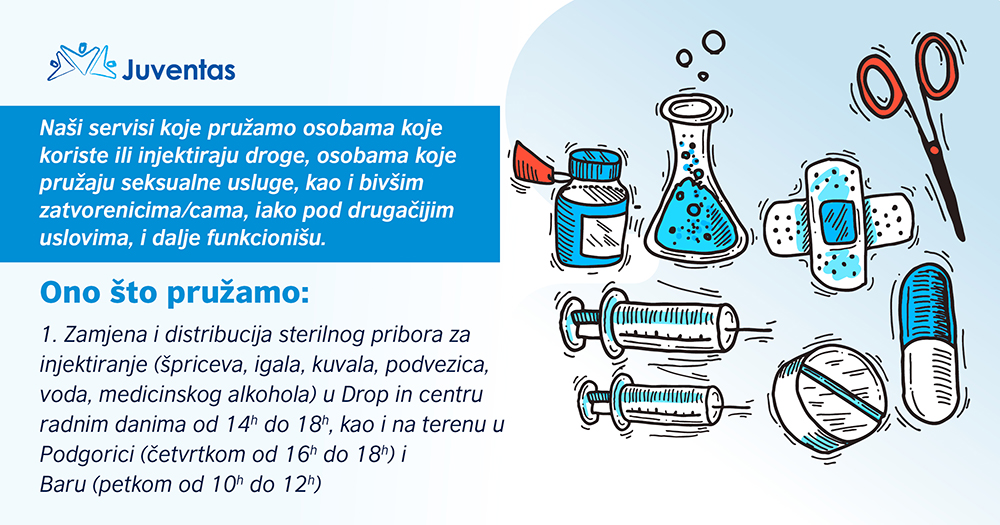
The services we deliver to persons using/injecting drugs, persons providing sexual services and ex-prisoners, although under different circumstances, are still functioning, along with new Corona preventive measures to protect staff and clients introduced:

These are:

  1. Distribution and exchange of safe injection equipment (syringes, needles, cookers, medical alcohol, elastic tourniquets, …) in Drop in centres and during outreach
  2. Distribution of free condoms and lubricants in Drop in centres and during outreach
  3. Service of washing and drying of laundry and garments (on a regular basis, but now even more so as a part of measures preventing the spread of Corona virus)
  4. Online and phone counselling with outreach and expert workers (doctor, psychologist, social worker)
  5. Delivering food packages for the ones most economically challenged (once per week, quantity for 7 days)

 According to measures issued by the Government, all external partners/associates are forbidden to provide additional services in prison. On the other hand, we are supporting the work of this institution by providing materials for in prison tailoring of protective masks throughout the framework of a project we have.

We also deliver services to the LGBTIQ community in cooperation and synergy with activities of community led organizations NGO Queer Montenegro, LBTQ Women’s Association “Stana, and Trans/Gender Variant persons’ Association “Spectra”.

All the services that we deliver to the LGBTIQ community are the following: 

  1. Distribution of free condoms and lubricants – NGO Juventas
  2. Online and phone counselling with outreach and expert workers (doctor, psychologist, social worker) – NGO Juventas
  3. Service of washing and drying of laundry and garments (on a regular basis, but now even more so as a part of measures preventing the spread of Corona virus) – NGO Juventas
  4. Delivering food packages for the ones most economically challenged (once per week, quantity for 7 days) – NGO Juventas and NGO Queer Montenegro
  5. Peer online and phone individual and group counselling and support – NGO Queer Montenegro
  6. Free legal aid – NGO Queer Montenegro
  7. Peer online and phone individual and group counselling and support for LBTQ women – LBTQ Women’s Association “Stana”
  8. Online self – support group for trans and gender variant persons- Association “Spectra”
  9. Individual online and phone consultations for trans and gender variant persons – Association “Spectra”

All communication (online/phone/in person with all preventive measures in place) is being instigated by our outreach and expert workers and completely needs focused.
Online communication with all our communities is being done via social networks (Facebook, Instagram and Twitter) and different other social application platforms like Viber, Whats App, Skype and a new app called Houseparty that provides different social games next to persons involved being able to converse. 

It is important to mention that staff members’ phone numbers are published and visible on all these platforms. Also, we have prepared detailed specific guidelines for our team and our clients. Together with partners, we have been advocating for protection and human rights of all communities we are working with from the beginning of the epidemics.

Read more at their website following this link>>>


Special issue on the state of harm reduction in Europe

In collaboration with Correlation – European Harm Reduction Network and the Eurasian Harm Reduction Association (EHRA), the Harm Reduction Journal is planning a special thematic series on the state of harm reduction in Europe, to be launched at the 5th European Harm Reduction Conference in Prague, 4-6 November 2020.

Partners are seeking submission especially of articles reporting on contemporary research findings, but also commentaries on aspects of harm reduction policy and programming – anywhere regionally or locally in broader Europe, and on any issue to which the harm reduction approach is relevant.

Please see the Call for Papers in this link: https://www.biomedcentral.com/collections/HR-Europe2020 and please pass this Call on to your colleagues and networks who may be interested in submitting an article for consideration for publication.

HOPS – Options for healthy living Skopje and services during COVID-19

Taken from the HOPS website

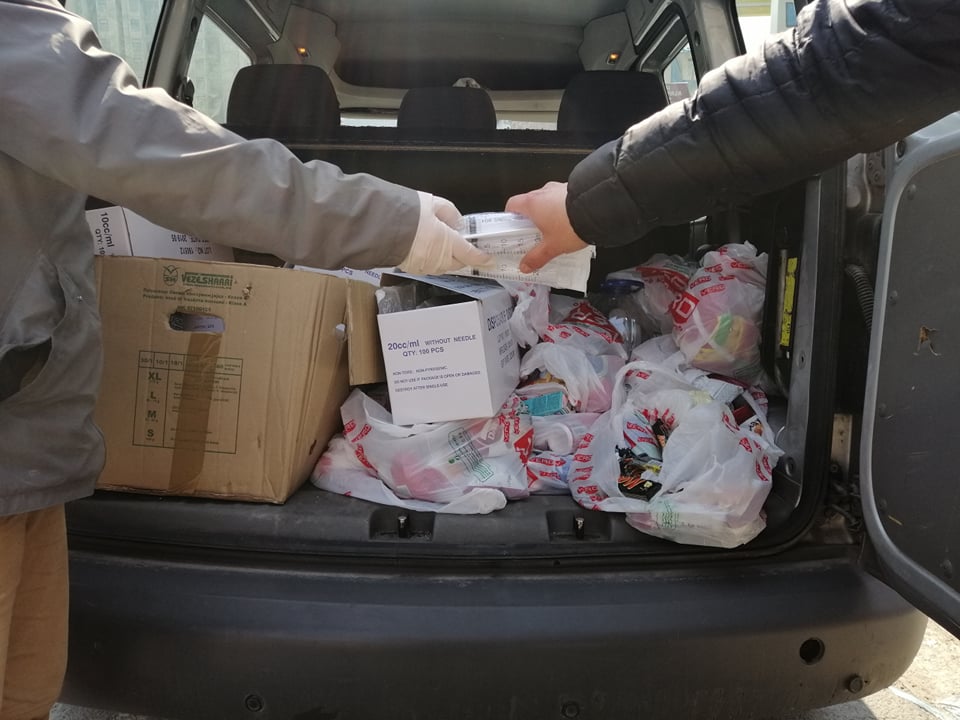
After the announcement of the corona virus pandemic, harm reduction services were modified but all clients were covered.

Drop-in centres for harm reduction of HOPS are closed, but each service has a special phone number and contact person that meets the needs of users. They can also contact the services through all social media (Facebook , Twitter , Instagram , Website) where all the news related to harm reduction from the coronavirus and all the new recommendations for protection of the population from and the World Health Organisation the Government are continuously published.

Mobile field teams operate every day, where users with pre-made contact are visited in front of their homes. The team is formed in dependence on the need of the clients (therapeutic and social worker, therapeutic and medical worker, therapeutic and lawyer). In accordance with the recommendation of the Government, there may be a maximum of two people in one vehicle. Field teams distribute sterile utensils (needles, syringes, distilled water, condoms and lubricants) daily and inform customers about all news related to the coronavirus and instructions and advice on protecting public health (such as the recommendations from INPUD).

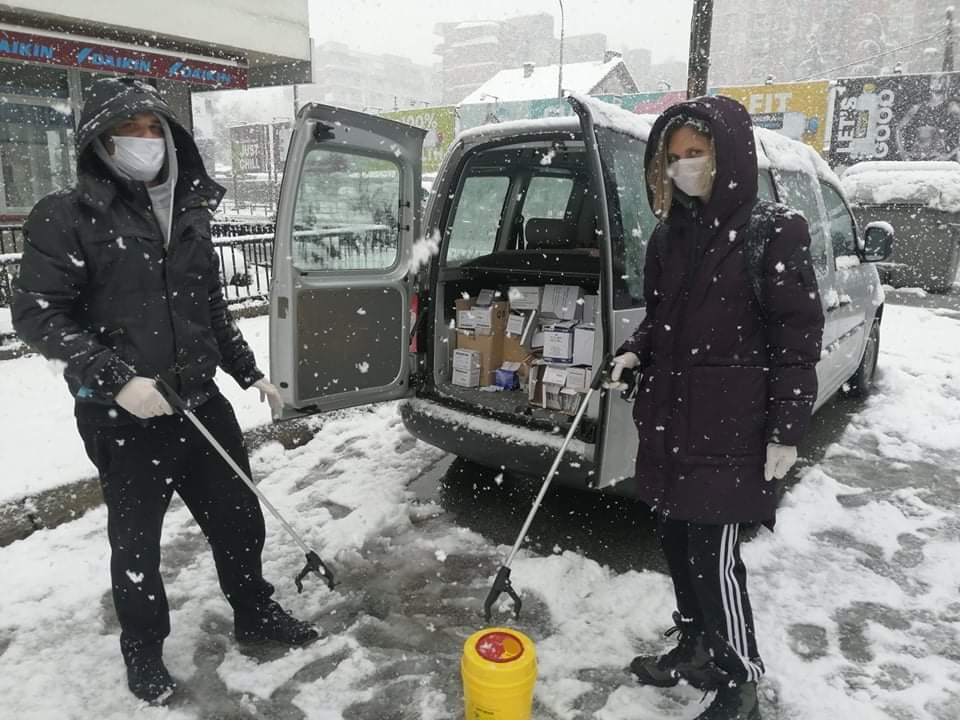
HOPS team at work even in surprisingly bad weather conditions

HOPS, in cooperation with other humanitarian organizations, is also planning humanitarian actions in order to provide food and hygiene packages for the most vulnerable populations. Once a week, the medical person (doctor) must be part of the field team in order to assess the general health of the population and to react in a timely manner if necessary.

Substitution therapy centres carry out their activities smoothly and clients regularly receive their therapy. The staff employed at the methadone centres has increased the level of protective measures. They don’t allow more patients to be gathered (therapy is raised one by one) and fully follow the recommendations for protective equipment from the government of Northern Macedonia and the WHO.

For now, our team is working bravely, without obstacles and is dedicated to support all those in need. We thank them for their empathy and sacrifice during these strange times.


Edit (6 April)

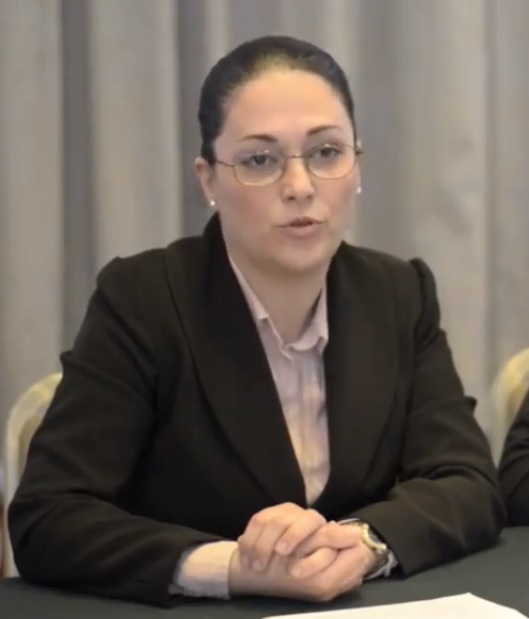
The Foundation for Open Society Macedonia, in cooperation with the Macedonian Red Cross, donated 100.000 USD for humanitarian support including food and hygienic packages for Roma population. It will be distributed to 2.000 families with around 10.000 people in 9 cities and villages across the country. Our member organisation HOPS will be among 6 civil society organisations that will organise the delivery.
More (in Macedonian) is available following this link>>>.


HOPS appointed the Acting Executive Director

Announcement for appointment of Acting Executive Director of HOPS

In times of extraordinary circumstances the Association HOPS – Healthy Options Project Skopje is experiencing, due to the sudden death of our dear colleague and Executive Director Mr. Ivica Cekovski, the Steering Committee has reached a decision to appoint Ms Hadji Sterjova Simnovic as an Acting Executive Director of the organization. This decision is a temporary one, with a duration of three months, i.e. until the state-of-emergency ends in our country and proper conditions for electing and appointing new Executive Director will be created. The position of Acting Executive Director entails the same responsibilities and obligations as an Executive Director.

Ms Sterjova Simonovic ќ is an attorney, with a long-standing experience working for HOPS and has an indispensable experience and knowledge in its activities, as well as the communities it represents.

Rome Consensus for Humanitarian Drug Policy

The International Federation of Red Cross and Red Crescent Partnership on Substance Abuse, co-sponsored by the Government of Italy, UNODC, WHO, in cooperation with the Levenson Foundation, the C4 Recovery Foundation, PTACC and the Villa Maraini Foundation, has launched the Manifesto “Rome Consensus 2.0 towards a humanitarian drug policy” at the 63a CND at UNODC in Vienna.
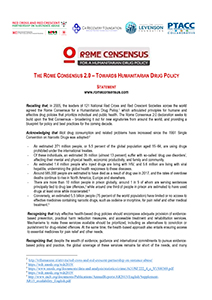
The Manifesto wants to promote universal access to treatment and care, as well as alternative measures to criminal justice for people who use drugs. The aim is to address the drug problems at all levels by giving emphasis to a humane attitude in support of people with drug disorders. The primary objective of humanitarian aid and approach is to save lives, alleviate suffering and maintain human dignity.

The Rome Consensus 2.0 is available following this link>>>

To sign the Rome Consensus 2.0 please visit following link>>>

People with drug use disorders maybe particularly vulnerable to COVID-19

The UNODC Prevention Treatment Rehabilitation Section published Suggestions about treatment, care and rehabilitation of people with drug use disorder in the context of the COVID-19 pandemic – A contribution to the health security of countries and communities. The document underlines that it is crucial to ensure drug treatment, care and rehabilitation services for people who use drugs and people with drug use disorders continue in the time of coronavirus outbreak. It is the key not only to protect the health of vulnerable populations, but also key to security and stability.

UNODC suggests that Member States and drug treatment, care and rehabilitation systems and services develop plans to ensure continuity of care for people who use drugs and people with drug use disorders, bearing in mind the following issues:

  • Address continued access to the services
  • Address the safety of the staff and the patients at the services
  • Make sure the premises of the services are clean and hygienic
  • Provide people with information on and means to protect themselves at every possible occasion
  • Continuity of low-threshold services
  • Continuity of pharmacological therapy
  • Support homeless people, including people with drug use disorders
  • Under no condition should a person be denied access to health care based on the fact that they use drugs!

To read the document follow this link>>>

COVID-19 and people who use drugs

What specific risks are people who use drugs (PWUD) likely to face during the COVID-19 pandemic? What services will they need? How will professionals working with this group adapt on the frontline? These are among the questions raised and answered in a new EMCDDA briefing.

The briefing offers information about:
  • Context – the coronavirus outbreak (COVID-19) in the EU
  • What are the particular risks for people who use drugs (PWUD) during the COVID-19 pandemic?
  • Underlying chronic medical conditions are associated with some forms of drug use and increase the risk of developing severe illnesses
  • The risk of drug overdose may be increased among PWUD who are infected with COVID-19
  • Sharing drug-using equipment may increase the risk of infection
  • Crowded environments increase the risk of exposure to COVID-19
  • Risks of disruption in access to drug services, clean drug-using equipment and vital medications
  • Implementing prevention measures against transmission of COVID-19 in settings used by PWUD
  • Guaranteeing continuity of care during the pandemic
  • Ensuring service continuity
  • Service provider protection during the pandemic – important interventions to consider

The briefing is available at the EMCDDA website following this link>>>

Your Input needed!

Displaced populations may be vulnerable to substance use disorders for a variety of reasons. These include pre- or post-migration stress and trauma, including loss of homes and livelihoods, violence, torture, mental health disorders and family separation.

The UNODC Prevention Treatment and Rehabilitation Section (PTRS) in coordination with WHO and UNHCR is planning a consultation process to develop a technical guidance tool to address substance use and substance use disorders, as well as associated health and social consequences in Relief and Humanitarian Settings and to increase access to substance use disorder treatment also in Humanitarian Settings. An expert group meeting is tentatively scheduled for the third quarter of 2020.

As part of the consultation process civil society organisations are invited to provide relevant information about treatment and care for displaced populations. In particular by:

  • Sharing national experiences, studies and good practices on addressing substance use disorders and providing treatment and care for people with substance use disorders in humanitarian settings and/or for displaced populations;
  • Informing about the current use of technical tools, guidelines, protocols or else to guide the work on treatment and care for people with substance use disorders in humanitarian settings and among displaced populations;
  • Indicating to UNODC which kind of technical guidance tool would be most relevant, needed and applicable in order to provide improved services for people with substance use disorders in humanitarian settings or for displaced populations with substance use disorders;
  • Describing existing mechanisms for interaction and coordination at the national/regional level, including joint- or inter-ministerial entities, civil society coordination mechanisms or else which bring together health, humanitarian and other sectors that could play a key role in a later implementation of the technical guidance tool to be developed by UNODC, in coordination with WHO and UNHCR, to address substance use disorders as well as associated health and social consequences in Relief and Humanitarian Settings;
  • Providing the full name and complete contact details of a focal point, to facilitate future communication and exchange about the information provided.

The information collected will be used to understand the use and barriers for application of currently available tools, identify needs, gather information on what kind of technical tool could be practically applicable and increase access to treatment and care of substance use disorders in humanitarian settings.

Relevant input should be sent as soon as possible but no later than 15 May 2020, by sending it to Ms. Anja Busse (anja.busse@un.org), Mr. Wataru Kashino (wataru.kashino@un.org) and info@vngoc.org.

To get more information, follow this link>>>.


Global Fund response to COVID-19

Extract from the Global Fund Note on COVID-19

The escalating COVID-19 coronavirus pandemic is changing the way that we live and work. The Global Fund is adapting to the rapidly changing circumstances, to remain focused on:

  1. Maximizing impact from the current grant cycle, and
  2. Working with partners for the timely submission of high-quality grant applications, along with strong Prioritized Above Allocation Requests.

In the Guidance Note on Responding to COVID-19, the Global Fund underlined that

The Global Fund strongly encourages countries to consider and take prompt action to mitigate the potential negative consequences of COVID-19 on existing programs supported by Global Fund grants. Particular attention should be given to health worker protection, communication to affected communities, maintenance of essential services, supply chain coordination, early replenishment of stocks, disinfection of assets, waste management. Related costs may be approved by the Global Fund as eligible expenditure.

To give countries further flexibility in responding to COVID-19, the Global Fund will consider, subject to prior approval:

  • Timebound reprogramming of savings under existing grants (up to a limit of 5% of total grant value) and/or;
  • Redeployment of resources procured through existing grants, particularly infrastructure and capacities that become under-utilized because of COVID-19.

 Eligible activities include, but are not limited to:

  • Epidemic preparedness assessment;
  • Laboratory testing;
  • Sample transportation;
  • Use of surveillance infrastructure;
  • Infection control in health facilities;
  • Information campaigns.

 Where there are no savings possible in existing grants or in other exceptional circumstances, an existing grant may be re-programmed up to an additional limit of another 5% of its total value.

The Global Fund constantly monitors COVID-19 developments and is working to adapt its guidelines accordingly. Further updates will be issued in the coming weeks. Visit their website for the latest information following this link>>>.