
From the INPUD website
Over the past decade there have been increasing claims that the world is moving towards a critical turning point in international drug policy, based on a growing recognition that governments must consider alternative approaches to drug policy which include decriminalisation. While this shift has been hailed as a sign of progress by many, INPUD believes there are still important and overlooked questions regarding the extent to which the needs and rights of people who use drugs are being prioritised in countries that have decriminalised drug use. In 2018, INPUD published a ground-breaking analysis of the Portuguese decriminalisation model – Is Decriminalisation Enough? Drug User Community Voices from Portugal – which for the first time assessed the impact of decriminalisation of Portugal from the perspectives of people who use drugs. The report noted how “interactions with the state and the police, and issues of violence, social exclusion, stigmatisation, and discrimination, are often entirely omitted from discussion and analysis of decriminalisation”.
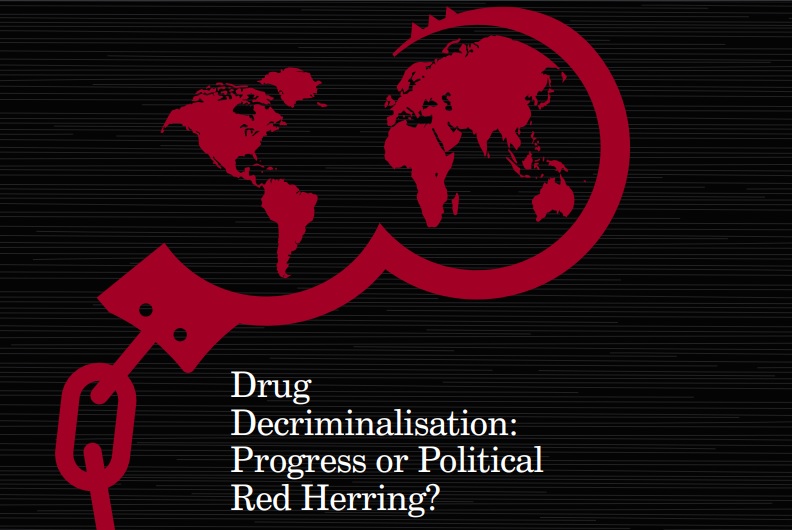
 INPUD is excited to present Drug Decriminalisation: Progress or Political Red Herring? This report, like our previous report on Portugal, is intended to open up the debate on decriminalisation and make clear the expectations people who use drugs have for future action on drug policy reform. Most importantly, it includes a call for full decriminalisation without sanctions as the new baseline for measuring progress on decriminalisation in the future.
Decriminalisation is often discussed as if there is only one model, leading to a view that decriminalisation anywhere equals progress. However, there are many different models of decriminalisation in operation, all with different impacts. This report was published because we believe current reforms have not gone far enough. This situation means that in the overwhelming majority of countries, people who use drugs continue to be criminalised, punished, and stigmatised despite decriminalisation. Furthermore, no existing reviews of decriminalisation models have specifically included the perspective of people who use drugs in their analysis, a glaring oversight which reflects the historical exclusion of the voices of people who use drugs within policy discussions.
INPUD believes it is time to disrupt the misconception that decriminalisation efforts unquestionably represent progress when they have been developed with little or no consultation with people who use drugs. This report amplifies the voices of people who use drugs through a series of interviews conducted with members of the community and their representatives in countries that have implemented various approaches to decriminalisation. Our hope is that this report can support peer-led advocacy efforts towards more inclusive, progressive, participatory and transparent drug policies which fully recognise the human dignity of all people who use drugs.
 To read the report, please follow this link>>>.
 Out of 174 members in good standing 150 registered to vote and in the end 147 voters cast their ballots electronically. Jamie won 88 votes.


 The report is available
 The SOCTA 2021 provides an overview of the current state of knowledge on criminal networks and their operations based on data provided to Europol by Member States and partners and data collected specifically for the SOCTA 2021. In trying to overcome the established, and limiting, conceptualisation of organised crime groups, this assessment focuses on the roles of criminals within criminal processes and outlines how a better understanding of those roles allows for a more targeted operational approach in the fight against serious and organised crime.


 To read the Strategy, please
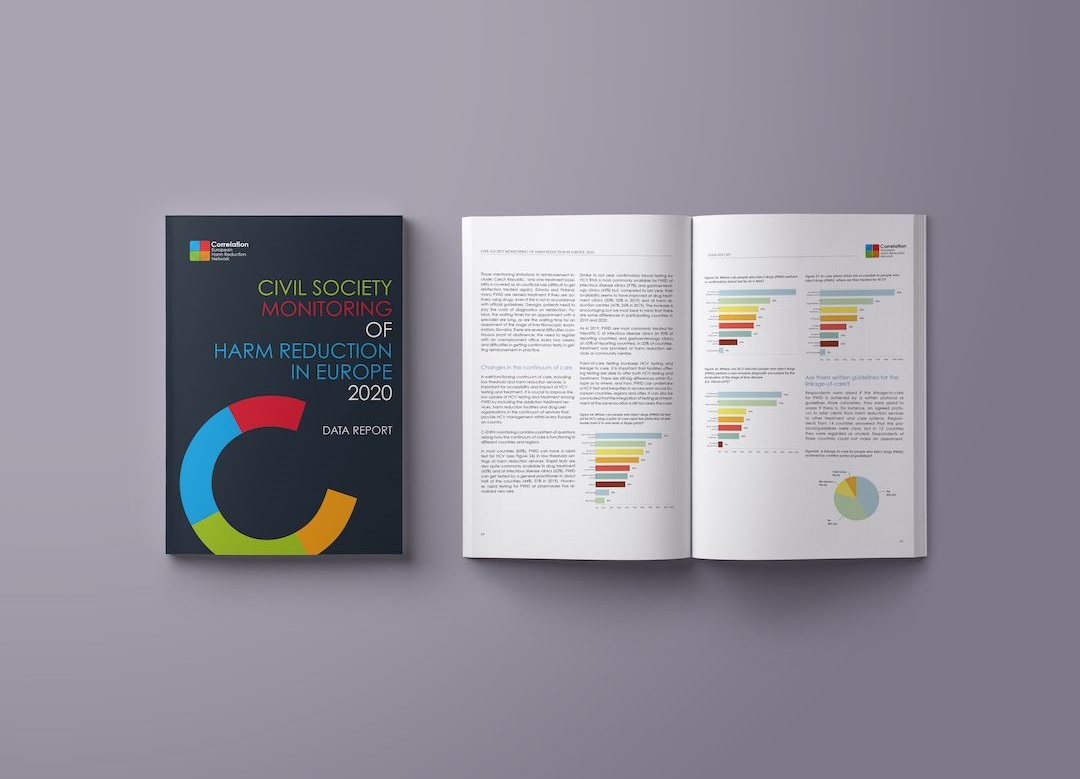
 More such data can be exclusively found in the second civil society-led monitoring of harm reduction report The Civil Society-led Monitoring of Harm Reduction in Europe 2020 published by the
  To read the Report, please