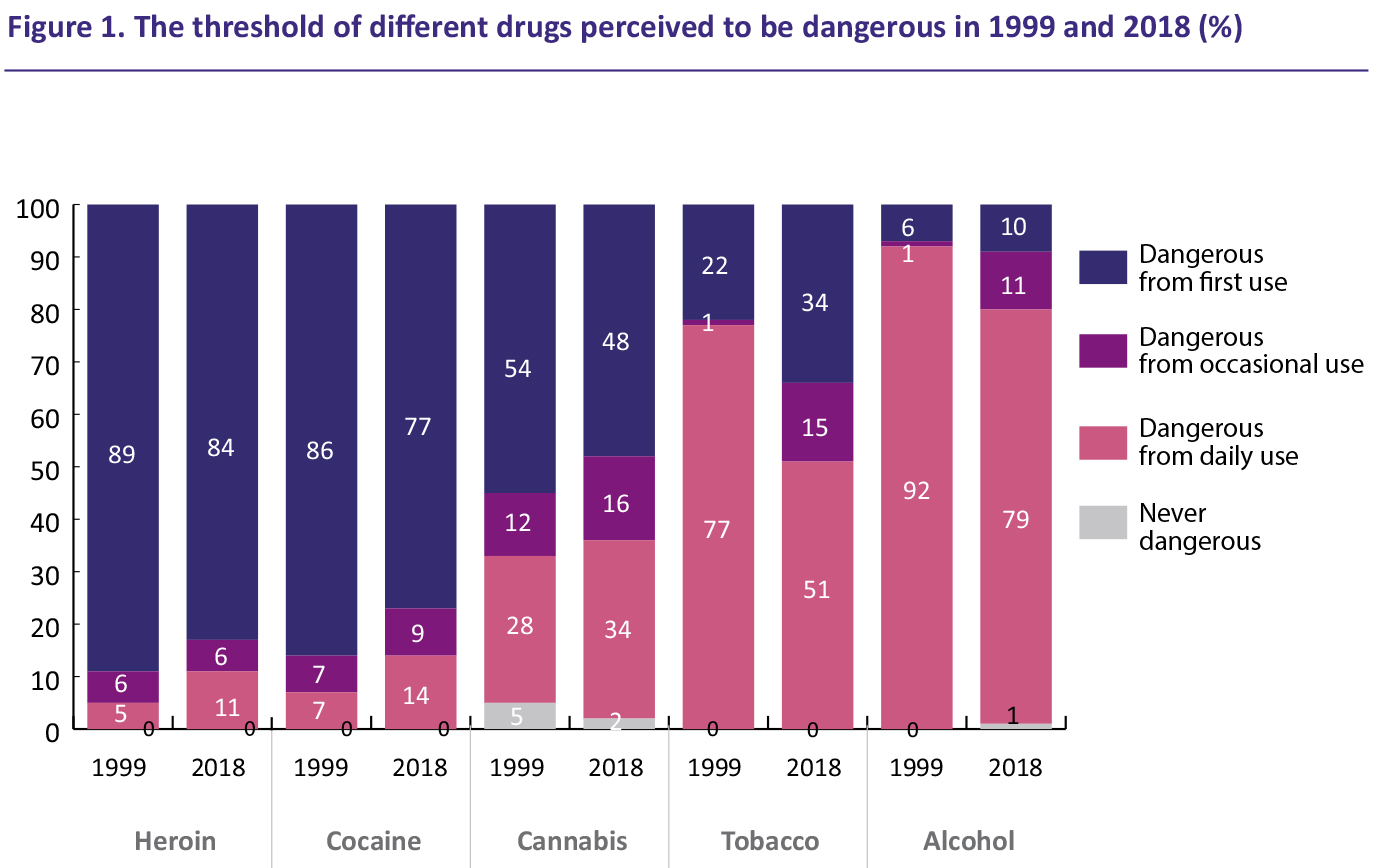
Perceptions of substances, public policies and users in France

Since 1999, the French Monitoring Centre for Drugs and Drug Addiction (OFDT) has been quantifying the opinions and perceptions of the French population on drugs and related public policies through the EROPP survey (Survey on representations, opinions and perceptions regarding psychoactive drugs). For this fifth edition, a sample of 2.001 individuals, representing the French population aged 18 to 75, was selected based on quota sampling. The survey makes it possible to see how opinions are structured around issues in the public debate but also to consider how opinions in France have developed over the last twenty years. For continuity, most of the themes studied in previous surveys have been kept (for example, the perceived dangerousness of different psychoactive substances, the representation of heroin users and opinions on drug legislation). In addition, questions on current topics and new issues have been added.

In 2018, the EROPP survey, now translated into Englosh, focused on five psychoactive substances: tobacco, alcohol, cannabis, cocaine and heroin. Tendances No. 131 first discusses drug-related knowledge and how dangerous they are perceived to be. Secondly, it reports on individuals’ adherence to public policies that are currently in force or being discussed in France or in other countries. Finally, a final section summarises cannabis users’ opinions through a classification that groups together individuals with similar views. Where possible, the results are compared with those from previous surveys.

To read the survey follow this link>>>

Job vacancy at IDPC

The International Drug Policy Consortium (IDPC) are looking to appoint a Research and Advocacy Officer (fixed-term contract to cover maternity leave) to contribute to the smooth delivery of IDPC’s publications work plan and to support the network’s advocacy efforts. The selected candidate would join their small but dynamic and busy team in London.

The successful candidate will have proven expertise in undertaking policy analysis, experience in engaging in drug policy advocacy, and knowledge of operational structures of the UN and other multilateral structures. They will have excellent written and verbal communications skills in English as well as Spanish, French and/or Russian, and a commitment to work with a range of partners and networks. Although not essential, experience in research and advocacy work related to women and drug policy is welcome.

Applicants must demonstrate that they have the right to live and work in the UK.

Deadline for applications is Friday 10th January 2020.

The job description, person specification and more information are available following this link>>>

Terms of reference for technical consultant to support field data collection on NPS in Kazakhstan, Kyrgyzstan, Georgia and Serbia

EHRAIn the framework of project “New Psychoactive Substance Use in Kazakhstan, Kyrgyzstan, Georgia and SerbiaEurasian Harm Reduction Association (EHRA) is seeking to engage technical consultants, one consultant per country, for conducting research on new psychoactive substances (hereinafter – NPS) use in the four countries. This research project is a collaboration between EHRA and the the School of Law, Swansea University, UK.

The assessment is aimed to analyze existing evidence and documents to overview the

  1. existing statistics/data on NPS use from various sources,
  2. researches of patterns of use and procurement of NPS (via clubs, darknet, etc),
  3. existing algorithms of ambulance and police actions, and
  4. availability of harm reduction services for NPS users, and how existing services needs to adapt to meet the needs created by NPS in four countries – Kazakhstan, Kyrgyzstan, Georgia and Serbia. This research will be conducted using the same methodology as one, done already in Moldova and Belarus.

The potential candidates should:

  • collect national data sources (such as website links, documents (in word, pdf formats), presentations and other materials) on NPS (documents and research data on drug use, behavior and harm reduction services, existing laws on health and drug policy). If documents are in national language – to make summary of the document with main quotes and translate it into English or Russian;
    to organize the field data collection:
  • recruit respondents from community of people who use drugs for focus-groups;
  • arrange interviews with officials from law enforcement and health services, harm reduction services (list of needed interviewees will be agreed with EHRA);
  • according the collected national sources on NPS use, together with EHRA staff member to adjust questionnaire for interviews/ focus groups;
  • organize logistics for the interviews/ focus-groups (place, time, coffee breaks for focus-group participants);
  • make notes during interviews and focus-groups;
  • make transcripts of the focus group discussion and interviews (in Russian or English);
  • help EHRA staff member to validate data of the report prepared by EHRA with respondents.

Soft copies of all collected data and minutes of interviews should be shared with EHRA via DropBox or GoogleDrive. In case of using quotes from individuals, the consultant must have a signed informed consent from each interviewee.

The candidates are invited to submit their CV and letter of interest with suggested respondents list, and state the daily rate in EUR (should be provided in EHRA’s template) by e-mail referenced under title “Technical Consultant” to Eliza Kurcevic at eliza@harmreductioneurasia.org by 5th January 2020, 24:00 EET. Results will be announced by January 10th, 2020. Each candidate will be contacted individually.

For more information about the Association and specifics of the work follow this link.


Visit to the Special Prison Hospital

Photo: Ministry of Justice of Serbia

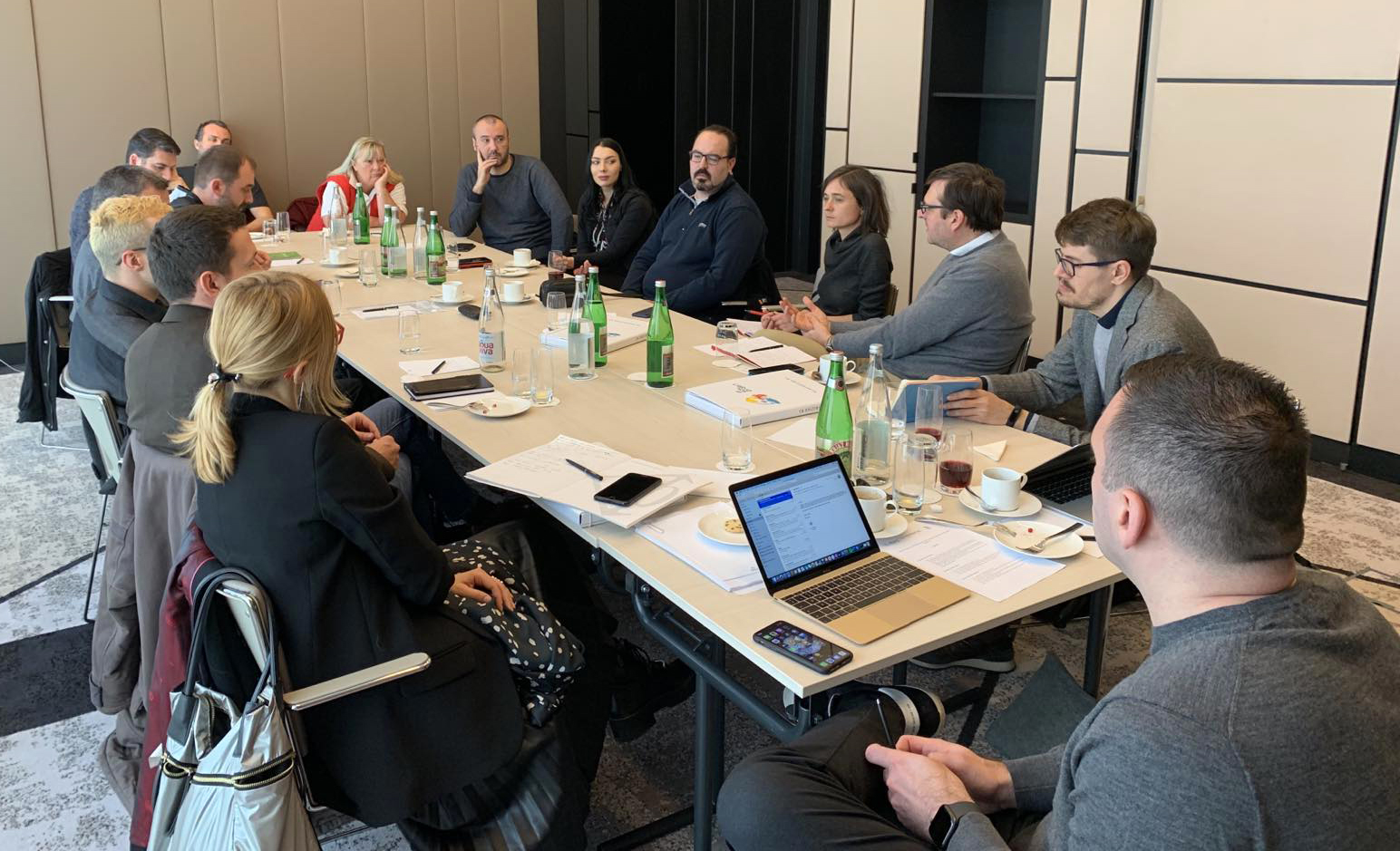
DPNSEE Vice-President Nebojša Đurasović and Executive Director Milutin Milošević visited the Belgrade Special Prison Hospital for a meeting with the director Dr Dragoljub Paunović and Dr Olivera Matijašević.

The Special Prison Hospital houses and treats both convicts with illnesses and persons with an imposed mandatory measure of substance and alcohol abuse treatment. The hospital currently hosts 778 patients to whom a complete healthcare (except operations) and medicines are offered by 303 doctors and other staff. It is the only prison hospital supporting 28 prisons in the country.

Besides sharing about activities on both sides, we discussed opportunities for cooperation on a variety of issues including state of drug use and recovery, HIV and Hepatitis C, opioid substitution therapy, testing for blood borne diseases, support in the pre-release from prison process, training and information sharing with medical staff and prisoners, etc.

Strategic planning to improve sustainability of HIV prevention services

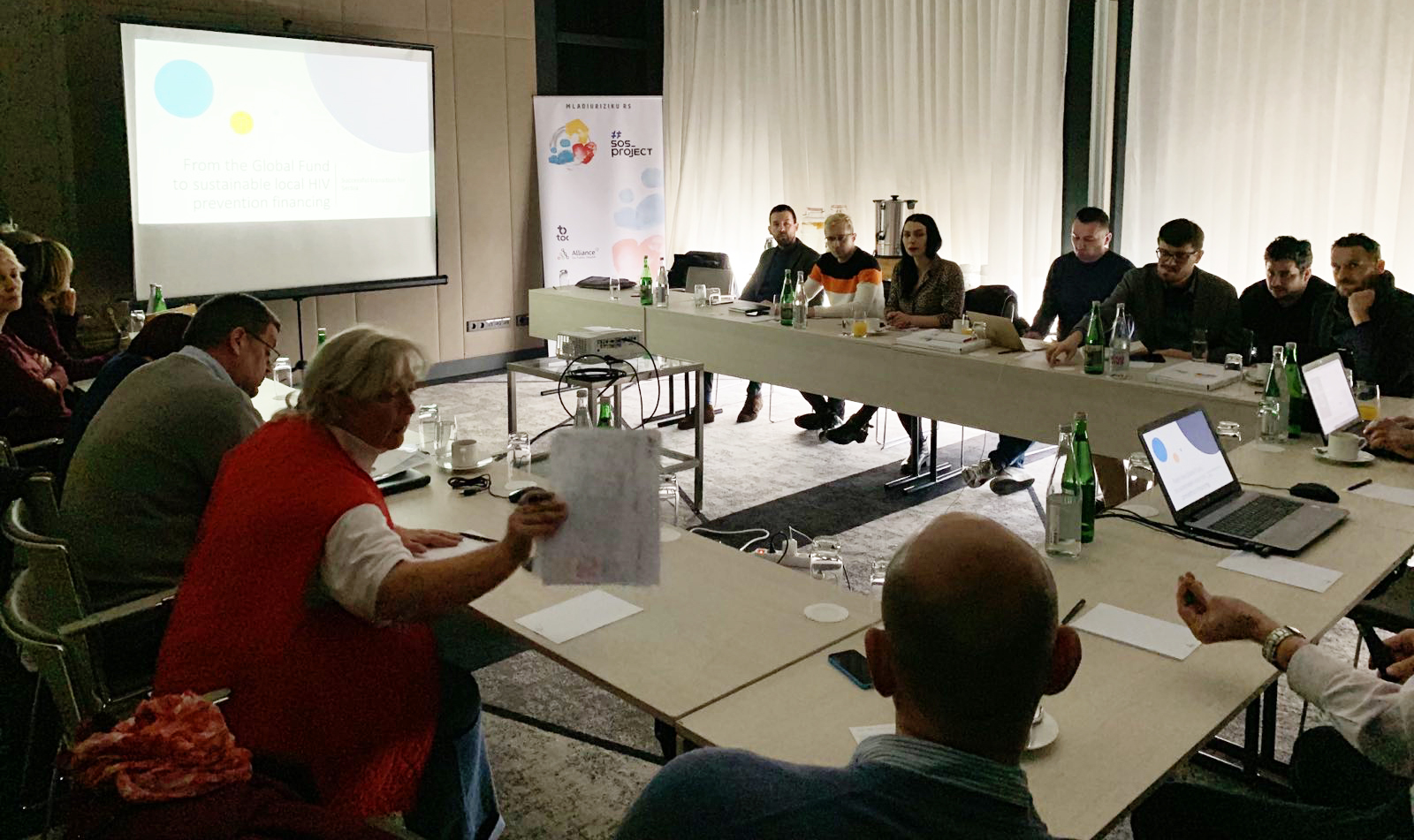
The Alliance for Public Health engaged a group of experts to perform a brief assessment of the latest experiences in the Serbia on financing civil society organisations with national funds, including the Global Fund national grant, and to plan on the national level for the sustainability strategy and concrete steps.

The experts visited Serbia from 16 to 20 December and held a serial of meetings with the Ministry of Health, Ministry of Youth and Sports, Health Insurance Fund, CSOs and other stakeholders. At the last day of the mission, the concluding stakeholder consultation with presentation of preliminary findings was conducted.

The visit was organized by DPNSEE member organization Timočki omladinski centar, who is the national lead of the multi-country project implemented by the consortium led by the Alliance. Representatives of DPNSEE and our other member organisations Prevent and Duga also contributed at the meetings.

EU drugs strategy 2013-20 – evaluation

The European Commission launched a process of evaluation of the current EU drugs strategy. The Commission seeks to gather input from a broad range of stakeholders, including public authorities and administrations at national, regional and local levels including customs and law enforcement, academia, anti-drugs and health related civil society and non-governmental organisations, chemical and medical industry representatives, practitioners involved in the drugs or health policy fields and private individuals. Anyone affected by illicit drug use is especially welcome to respond to this public consultation.

The objective of this consultation is to gather stakeholders’ feedback on the EU Drugs Strategy 2013-2020 and the EU Action Plan on Drugs 2017-2020, as they are approaching the end of their cycle.

The consultation addresses all main policy areas of the Drugs Strategy, including drug demand and drug supply reduction and three cross-cutting themes, namely coordination, international cooperation and information, research and evaluation. Similar to the entire evaluation exercise, the consultation looks at the effectiveness, efficiency, relevance and coherence of the actions undertaken to cover the areas mentioned, as well as at the achieved EU added value.

A synopsis of the responses received will be included in the Staff Working Document that will be produced to summarise the findings of the evaluation. The final results of the evaluation will be used by the European Commission, the European Parliament, the Council and Member States in the future decision-making process regarding drug policy.

Questionnaires are available in some or all official EU languages. One can submit your responses in any official EU language.

For reasons of transparency, organisations and businesses taking part in public consultations are asked to register in the EU’s Transparency Register.

The deadline for consultations is 4 February 2020.

To respond to the questionnaire, please follow this link>>>


Rethinking the drug dealer

The Drug Policy Alliance released a new report making the case for rethinking the way the United States responds to the “drug dealer.” Beyond being merely ineffective, the harsh criminalization of supply-side drug market activity may actually make drug use more dangerous, increasing overdose deaths and leading to more violence in communities.

Drug prohibition and the criminalization of people who sell or distribute drugs does not reduce the harms of drug use or improve public safety. Our current approach is built on a foundation of stigma, ignorance and fear rather than evidence and creates new problems while doing nothing to solve those that already exist. Such approach to drug sales has failed. We should address drug-involvement, including most sales, outside of the failed apparatus of criminalization. We should also reduce the harms of drug distribution and repair the harm of the criminal legal system’s discriminatory response to the drug trade.

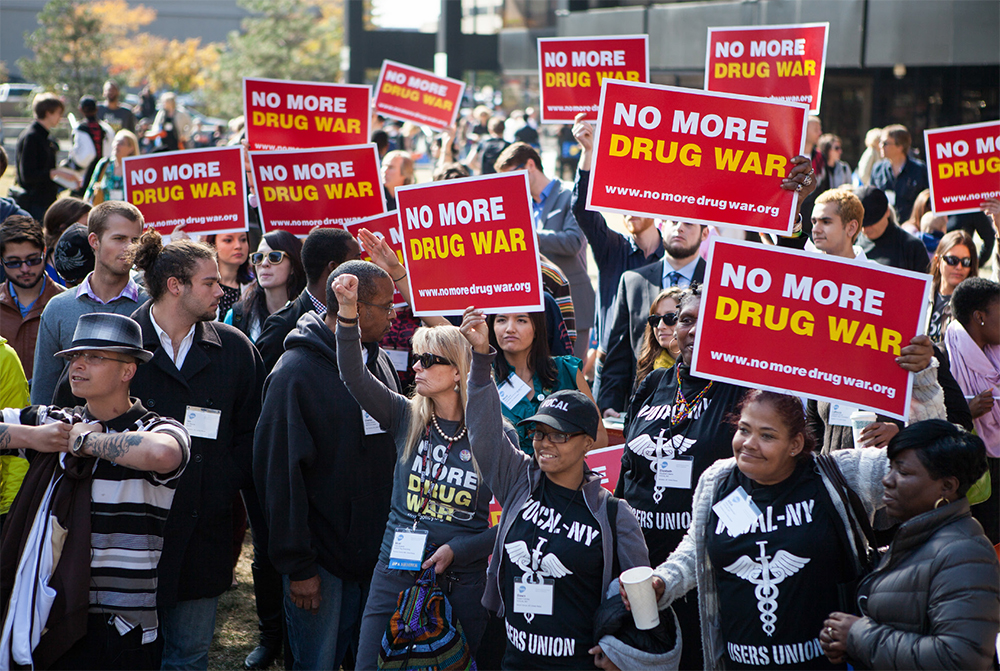
The Drug Policy Alliance believes it is time to rethink the “drug dealer.” We must urgently assess what type of people actually fall into this category and how we as a society can respond to them in ways that will keep people and communities safer and healthier. This work has been motivated by the leadership of formerly incarcerated people and drug users unions.

Politicians of all stripes have argued that long sentences for drug sellers will reduce drug availability and make remaining drugs more expensive, driving down demand. But this is not how drug markets actually work. Research and history have shown that the vilification and criminalization of people who sell drugs does not reduce problematic drug use, reduce the availability of drugs, or keep people who use drugs safer.

With this report, the Drug Policy Alliance aims to expand the current public dialogue around drug reform, to focus on who the people now labelled “drug dealers” really are and how we, as a society, can respond to them in ways that will keep people and communities safer and healthier.

DPA has provided a set of tailored recommendations based on three broad principles:

  • First, to the maximum extent possible, society should deal with drug involvement outside the destructive apparatus of criminalization – and to the extent that the criminal justice system continues to focus on drug selling and distribution, it must do so with a commitment to proportionality and due process.
  • Second, we should focus on reducing the harms of drug distribution (for example, reducing drug market-related violence), rather than attempting to eliminate drug market activity.
  • Third, we must take seriously the criminal justice system’s discriminatory response to the drug trade and work toward reforms that both repair the harm already done while preventing further harm to communities of colour and poor communities.

To read, download or share the report follow this link>>>


Police as partners in harm reduction

The International AIDS Society (IAS) published a policy brief on “Reducing harm: police as partners in preventing HIV, promoting public health and protecting the rights of people who use drugs“. The brief spotlights the role of police through exploring the interface of policing, harm reduction and the human rights of people who use and inject drugs.

The police have a central role in enabling people who use drugs to realise their human rights and access the health and other services they need and are entitled to. By fulfilling this role and becoming a partner in harm reduction, both the police and the broader communities in which they serve benefit immeasurably.

Law enforcement must work in partnership with the community, including people who use drugs, in pursuit of creating a rights- and health-affirming environment. While protecting public health is not the primary function of the police, operating within a human rights framework that improve health and well-being is part of progressive and effective policing practice.

Launched on World Hepatitis Day in 2018, the IAS policy brief series on inclusive care services and policies spotlights the needs of people who use drugs and aims to accelerate the global viral hepatitis response by bringing more attention to a population whose needs remain underserved. Topics include prioritizing people who inject drugs in viral hepatitis C (HCV) elimination efforts, women who inject drugs, police and harm reduction, young people who inject drugs and community-delivered harm reduction services. Other areas of focus include stigma and effective advocacy strategies for health promotion.

To read, download and share this policy brief follow this link>>>
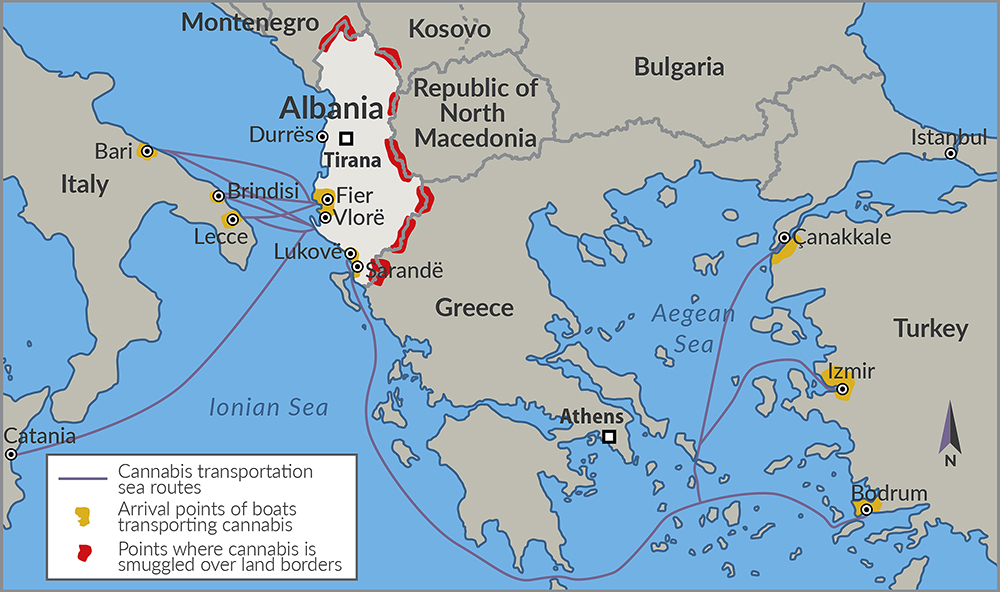
Growing like weeds?

The cultivation of cannabis in Albania goes back several decades, but experienced a peak around 2016, at which point the police undertook an eradication operation in an attempt to curtail the country’s widespread cannabis production industry. A more recent resurgence in cannabis cultivation, however, points to the fact that the underlying drivers of this illicit economy are still in place. Without a concerted effort to address collusion in the cannabis market and the country’s structural conditions, which entice many young people to seek a livelihood in cannabis production, the conditions that enable the market are unlikely to be disrupted.

Key points of the brief on this issue “Growing like weeds? Rethinking Albania’s culture of cannabis cultivation“, published by the Civil Society Observatory to Counter Organized Crime in South-Eastern Europe, include:

  • The conditions that enable cannabis cultivation in Albania have been in place for many years.
  • Despite police crackdowns on cultivation, the phenomenon continues to be pervasive.
  • Cultivating cannabis is seen as a source of income for many, particularly the young.
  • Colluding state officials are among the drivers of the Albanian cannabis economy.
  • A new approach is needed to break the cycle of reliance that the cannabis economy provides and attract young people into legitimate work.

The Global Initiative against Transnational Organized Crime is a network of prominent law enforcement, governance and development practitioners who are dedicated to seeking new and innovative strategies and responses to organized crime.

Policy briefs on current issues in the Western Balkans are published on a regular basis by the Civil Society Observatory to Counter Organized Crime in South-Eastern Europe which operates under The Global Initiative.  The Observatory is a platform that connects and empowers civil-society actors in Albania, Bosnia and Herzegovina, Kosovo, Montenegro, North Macedonia and Serbia. The Observatory aims to enable civil society to identify, analyse and map criminal trends, and their impact on illicit flows, governance, development, interethnic relations, security and the rule of law, and supports them in their monitoring of national dynamics and wider regional and international organized-crime trends.

The briefs draw on the expertise of a local civil-society network who provide new data and contextualize trends related to organized criminal activities and state responses to them.

To read this brief, follow this link>>>