Assessment of gender sensitivity of the drug harm reduction program for youth in Serbia

This gender analysis of harm reduction services for young people who use drugs (PWUD) “Assessment of gender sensitivity of the drug harm reduction program for youth in Serbia“, published by our member organisation Prevent from Novi Sad, was conducted within the Erasmus+ regional project “Creating Gender-Based Programs for Young People Who Use Drugs,” with the aim of identifying gender-related barriers, gaps, and opportunities in existing programs. The study places a strong focus on the needs and lived experiences of young PWUD, including those of diverse gender identities and sexual orientations, while assessing the level of gender sensitivity and inclusiveness of current services. In 2025, the harm reduction landscape in Serbia is marked by the absence of an updated national strategy, weakening multisectoral cooperation, and the exclusion of civil society organizations (CSOs) from policymaking processes. Existing policies only partially recognize harm reduction and lack gender-specific or transformative approaches, while the legal framework remains repressive and discourages service access. Additionally, there is a significant lack of gender-disaggregated data and gender analysis in public systems, alongside documented discrimination against women, trans, and LGBTQAI+ individuals. Despite these challenges, CSOs continue to play a crucial role as primary service providers, offering essential support such as sterile equipment, testing, counselling, and safe spaces, though they face limited funding, administrative barriers, and declining international support, putting especially gender-sensitive and youth-focused services at risk of closure.

The findings highlight that women – particularly sex workers, Roma women, and trans and non-binary individuals – face multiple and intersecting forms of marginalization, compounded by the lack of gender-responsive services and systemic exclusion from public institutions. There is a clear need for more inclusive, gender-sensitive, and accessible approaches, including mobile and night outreach, integrated legal and healthcare support, and safe shelters. While CSOs are actively developing anti-stigma protocols, gender-neutral spaces, staff training, and protection mechanisms, their efforts remain constrained by unstable funding. Accordingly, the recommendations emphasize the urgent need to integrate a gender perspective into public policies, ensure sustainable institutional funding for CSOs, reform punitive legal frameworks, and enable meaningful participation of both CSOs and young PWUD in decision-making. At the organizational and programmatic levels, priorities include diversifying funding sources, strengthening partnerships, preserving core services, expanding peer-led and gender-sensitive programs, improving outreach and communication, addressing violence, and investing in continuous monitoring and staff capacity building. Overall, a coordinated and gender-responsive systemic shift is essential to ensure equitable, sustainable, and effective harm reduction services in Serbia.

The report, in Serbian, is available following this link>>>.

Prevent also published a comparative report which is the result of collaboration between civil society organizations from three countries: Prevent from Novi Sad, HOPS from Skopje, and Sananim from Prague. It provides a comprehensive overview and comparison of three national gender analyses of harm reduction programs conducted in Serbia, North Macedonia, and the Czech Republic during 2025, using a shared methodology. The main objective was to identify gender-related barriers, gaps, and opportunities within existing harm reduction services, with a particular focus on the needs and experiences of young people who use drugs, including individuals of diverse gender identities and sexual orientations. The report examines the extent to which services are gender-sensitive, inclusive, and responsive to the specific needs of users, taking into account the influence of gender norms, identities, and structural inequalities on both access to and quality of services.

The analysis combines two key components: a desk review of existing strategies and policy frameworks, and qualitative insights gathered through semi-structured interviews with organizations working directly with marginalized communities, including people who use drugs, sex workers, LGBTI+ individuals, and youth. To ensure a standardized and evidence-based assessment, the evaluation of programs and policies was conducted using the World Health Organization’s Gender Responsive Assessment Scale (GRAS), which enabled the identification of levels of gender responsiveness as well as critical gaps across the three national contexts. This comparative approach not only highlights shared challenges but also provides a foundation for developing more inclusive, gender-responsive harm reduction policies and practices across the region.

The report is available in Serbian following this link>>>.

Gender sensitivity of programs to reduce harm from drug use among young people

How gender-sensitive are drug harm reduction programs in North Macedonia, Serbia and the Czech Republic? How gender-specific and gender-transformative are national policies in these countries? Find the answers to these and many other questions in the comparative report “Gender Sensitivity of Drug Harm Reduction Programs for Youth in North Macedonia, Serbia and the Czech Republic”.

In Macedonian here, in Serbian and in Czech.

The report is part of the Project – Creating Gender-Based Programs for Youth Who Use Drugs funded by the European Union (ERASMUS+ program).

The main goal of the project is to build the capacities of civil society organizations working with youth who use drugs to develop gender-sensitive drug harm reduction programs.

Visit to the Duga Checkpoint centre

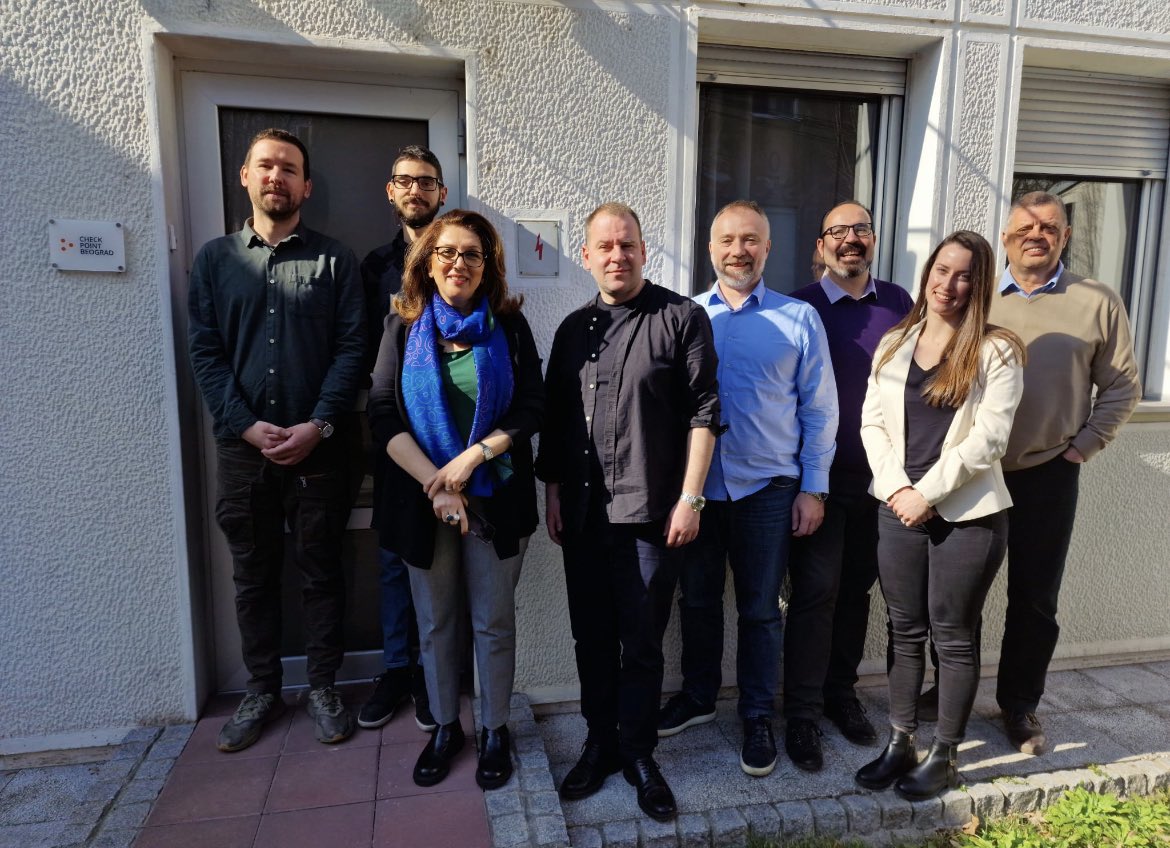
Representatives of the United Nations Office for Drugs and Crime (UNODC) Ms Fariba Soltani, Chief, HIV/AIDS Section and Global Coordinator for HIV/AIDS, Ms. Gorica Popović, Specialist, Law Enforcement and HIV and Ms Žana Glavendekić, the Regional Project Officer for Drug Demand Reduction visited the Duga Checkpoint centre in Belgrade and met with community-led organizations working on HIV and harm reduction services for key populations.

It was an opportunity to share about services which Prevent, TOC, Duga and ReGeneration provide and to discuss operational issues related to implementation of the UNODC-led project “Emergency support for the provision of HIV and Harm Reduction services among key populations in Ukraine and refugees in selected neighbouring countries”.

Project coordination meeting

Partners in the “Emergency support for the provision of HIV and Harm Reduction services among key populations in Ukraine and refugees in selected neighbouring countries” project held a coordination meeting with the representative of the UNODC Regional Programme Office for Eastern Europe which supports the project. It was an opportunity to present information of the activities implemented since the start of the project in mid-December and additionally clarify some issues related to reporting.

Final event of the RYCO Call for project in Serbia

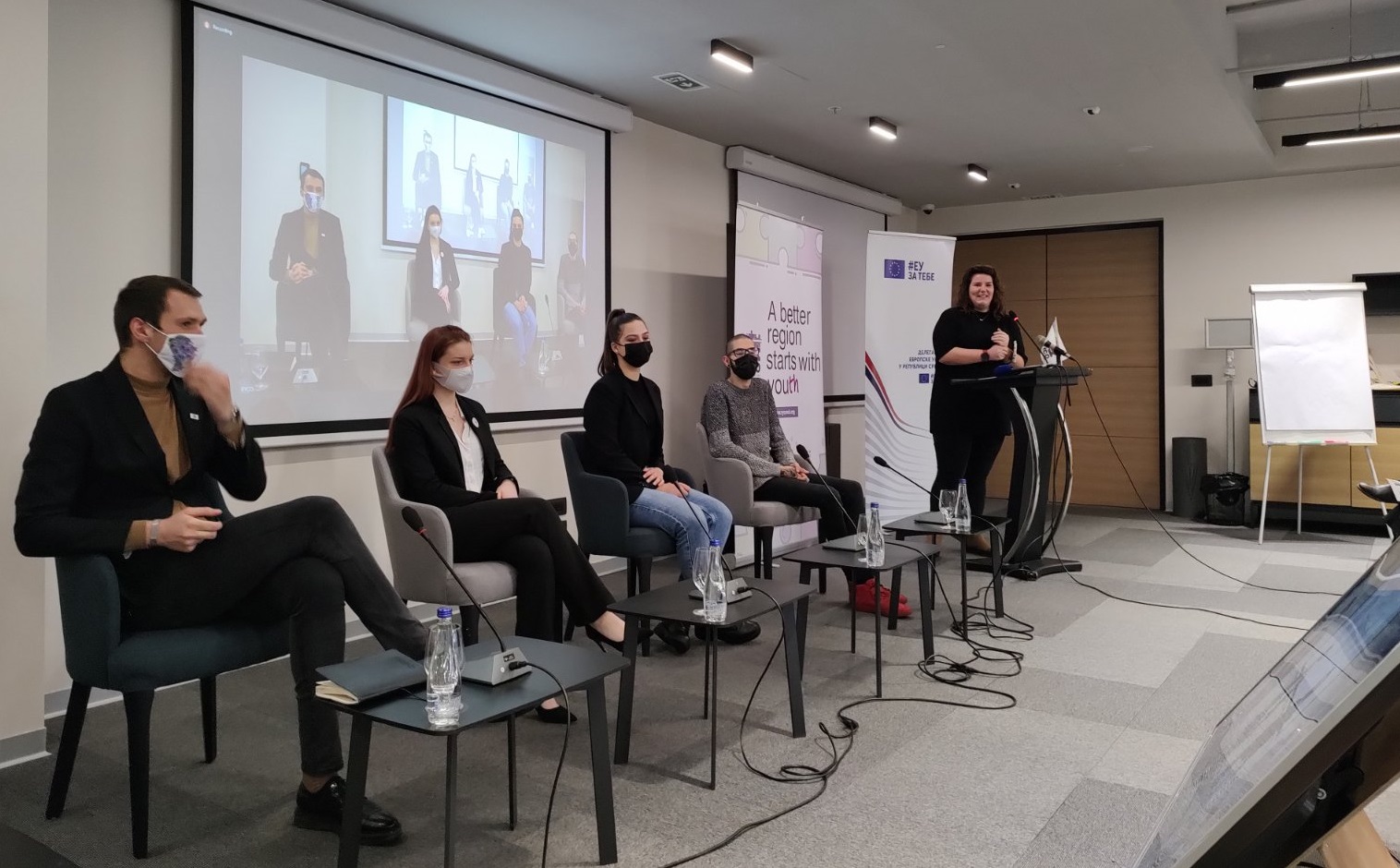
The Regional Youth Cooperation Office (RYCO) the Closing event of the Call for Project Proposals 2020 “A Better Region Starts with Youth” in Serbia was held on 7 February 2022.

Four organisations from Serbia were supported by the Call. One of them was DPNSEE with the project “No risk, no borders for young people“. From Serbia, our member organisations Prevent and Re Generacija were partners in the project.

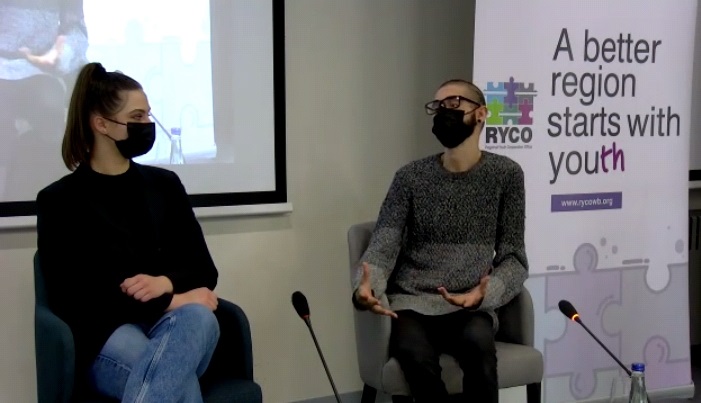
Stefan Pejić from Re Generacija participated in the panel presenting his experience from the project and how it influenced work of his organisation.

Should sex work be regulated in Serbia?

President od “Prevent” Nebojša Đurasović (also DPNSEE President) was invited by the Nova S TV station to the discussion about legalisation of sex work in Serbia. Other guests in the TV show “Between Us” were Andrijana Radojčić Nedeljković from the non-governmental organization Atina and Blažo Marković, president of the Union of Police and Police Officers.

Nebojša promoted the approach that as the first step it would be important to decriminalise sex work. That would allow those involved to get health and other kinds of protection.

The discussion, in Serbian, is available following this link>>>.

Regional meeting “Children who use drugs”

The regional meeting on “Children Who Use Drugs“, organised on 28 April by the Healthy Options Project Skopje (HOPS), was dedicated to exchanging experiences and sharing good practices in the region related to the problems and challenges faced by countries and civil society organizations in working with children and young people who use drugs, such as the availability of health and social programs for young people and children who use drugs.

Presentations on the topic had Liljana Ignjatova, Ph.D., Professor at the Faculty of Medicine in Skopje, Department of Psychiatry, and Head of the Centre for Prevention and Treatment of Drug Addiction, the Republic of Northern Macedonia, Eranda Berisha from Centre for Social Work Pristina, Kosovo*, Skerdi Zahaj, consultant in “Initiative for Social Change” ARSIS from Albania, Marija Mijović social worker at the NGO Juventas from Montenegro and Denis Dedajić from NGO Margina from Bosnia Herzegovina.

From the presentations of all speakers, it can be concluded that the rate of children and young people using drugs and other psychoactive substances is increasing. Health and other relevant institutions do not have an adequate answer to this question. In all countries in the region there is a complete lack of appropriate treatment programs for children who use drugs.

Recommendations from the meeting include:

  • Use good practices from countries where there are programs to treat and care for children and young people who use drugs
  • Prepare and adopt appropriate programs for the treatment of children and young people who use drugs
  • Strengthen partnerships between CSOs and health and social institutions in policymaking and provision of services for children using drugs

The project “The Role of CSOs in the Western Balkans in Providing Social Services and Preventing Social Exclusion” is funded by SIDA – Swedish International Development Agency, through the Balkan Civil Society Development Network.

The project is implemented regionally in six Western Balkan countries, including ARSIS Youth Support Social Organization (Albania), Asocijacija Margina (Bosnia and Herzegovina), HOPS (Northern Macedonia), Qendra Labyrinth (Kosovo), Prevent (Serbia), NVO Juventas (Montenegro).


Open call for project participants

Partners of the project “No Risk, no borders for young people” invite young people aged 18 – 28 from the Western Balkans to send their application for participate in the project.

The project is coordinated by the Drug Policy Network South East Europe (DPNSEE) together with the project partners Aksion Plus (Albania), Margina  (Bosnia Herzegovina), Juventas (Montenegro), Prevent and Re Generation (Serbia) and supported by the Regional Youth Cooperation Office (RYCO) within its 4th Open Call co-financed by the European Union.

More about the project is available following this link>>>.

Participants profile:

  • 25 activists, youth leader and youth workers, preferably members of civil society organisations
  • Aged 18 to 28
  • Young people from or those working with the youth from groups at increased risk
  • Interested in learning how to cooperate in multicultural settings
  • Able to communicate and write in English
  • Willing to work as multipliers of experience and results through visibility and dissemination activities, before, during the project actitivies, including the reporting phase, and after the project
  • A participants group with an appropriate geographic, gender, national and balance of members from or working with various groups of youth at risk

What we expect from the participants:

  • Complete pre-tasks and participate in the follow-up activities of the project
  • Attend all sessions and activities during the both Workshops
  • Agree and understand that the project partners are responsible and coordinators for this project and will not challenge or create any issues that will influence its flow
  • Bring along personal items as requested by the organisers of the activities (i.e. clothes, shoes, medicins in case of health issues, etc.)
  • Participate in promoting visibility of the project
  • Participate in the production of the deliverables of the project
  • Be active on dissemination of the results as a multiplier of new experiences, info and knowledge
  • Provide all necessary documents (invoices, visa expenses, travel reservations, ID copies, boarding passes, etc)

The structure of the project workshops is highly intensive and demanding, plus requires full attendance and participation. The workshops starts at 9:30 am and will end around 8:00 pm with regular breaks for refreshments, meals and personal needs. Therefore, youths who will attend as participants need to show responsibility commitment during their participation. The topic of the project is related to many indoor activities and less outdoor. Any extra hours for touring around besides the free time as they are mentioned in the timetable are not eligible.

If the protection measures in the countries where the activities are held prohibit gatherings of large groups, the Workshops 1 and 2 will be provided online.

Also, work with youth from groups at increased risk during the project may be challenging, but the project partners will provide support from experienced staff.

If interested, the Open Call is available following this link>>>. Please, share this information as wide as possible around the region.

The application forms is available at the web pages and social media of the project partners. Each project partner is eligible to select up to 5 participants in the project.


Call for the logo and visual identity of the “No risk, no borders for young people project”

Partners of the project “No Risk, no borders for young people” invite young people aged 15 – 30 from the Western Balkans to send their proposals for the visual identity of the project.

The project is coordinated by the Drug Policy Network South East Europe with the project partners Aksion Plus (Albania), Margina (Bosnia Herzegovina), Juventas (Montenegro), Prevent and Re Generation (Serbia), and it is supported by the Regional Youth Cooperation Office (RYCO) within its 4th Open Call and co-financed by the European Union.

Proposal for the project visual identity should include:

  • Logo and colour scheme
  • Cover and profile photo for Twitter, Facebook and Instagram (2 proposals for each social network)

Incomplete proposals and those which arrive after the deadline will be rejected.

The deadline for sending proposals is Wednesday 24 March at 17:00 CET.

You can find more about the Call following this link>>>.