
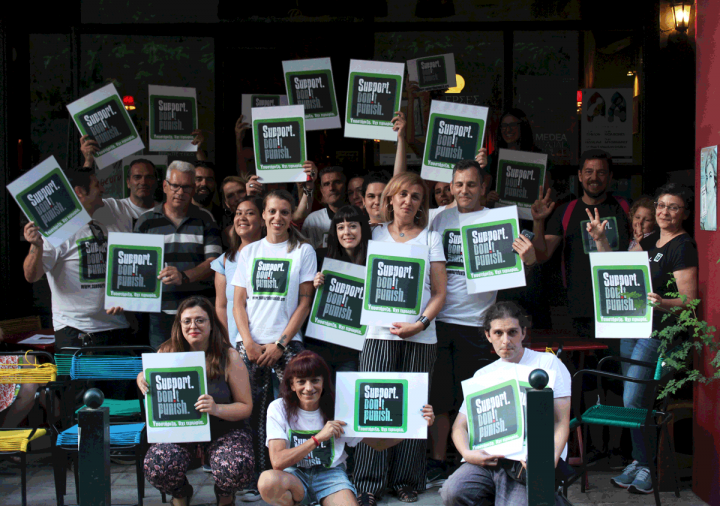
In Greece, the Support. Don’t Punish campaign was this year dedicated to women who use psychoactive substances, the silent group that has no voice or face in the country, but suffers from stigmatization and marginalization and is hard-pressed by serious problems in addition to its usual usage.

 On the occasion of Global Day of Action of the campaign, the member organizations of the NGO Platform for Psychoactive Substances (Peer-to-Peer Users Network of Psychoactive Substances, Diogenis Policy Dialogue on Drugs, Positive Voice, Centre for Life, Prometheus, Steps and PRAKSIS) organised an event dedicated to women using psychoactive substances. They invited guests to talk about them, name them and open the road together to find realistic solutions, listening to the stories of the women themselves as well as the experiences of professionals in the field. The event was held on 27 June at the Beatniks Road Bar in Athens.
Women have the right to enjoy rights and fundamental freedoms, without discrimination, in all areas of life. These rights also apply to women who use psychoactive substances.
The multiple identities that women using drugs experience – pregnant, mothers, workers, migrant, refugees, sex workers, trafficked persons, victims of physical violence, prisoners – reflect the particular needs associated with the experience of social stigma, financial situation, insufficient social support, family relationships, a substance-mate partner, children and treatment. Services for women using psychoactive substances should take into account these particular needs of this vulnerable population and be hospitable, non-critical, supportive and, of course, provide emotional safety.
A “Rights Guide” for women using psychoactive substances which highlights the above was presented at the event.


 From 23 to 27 June 2019, The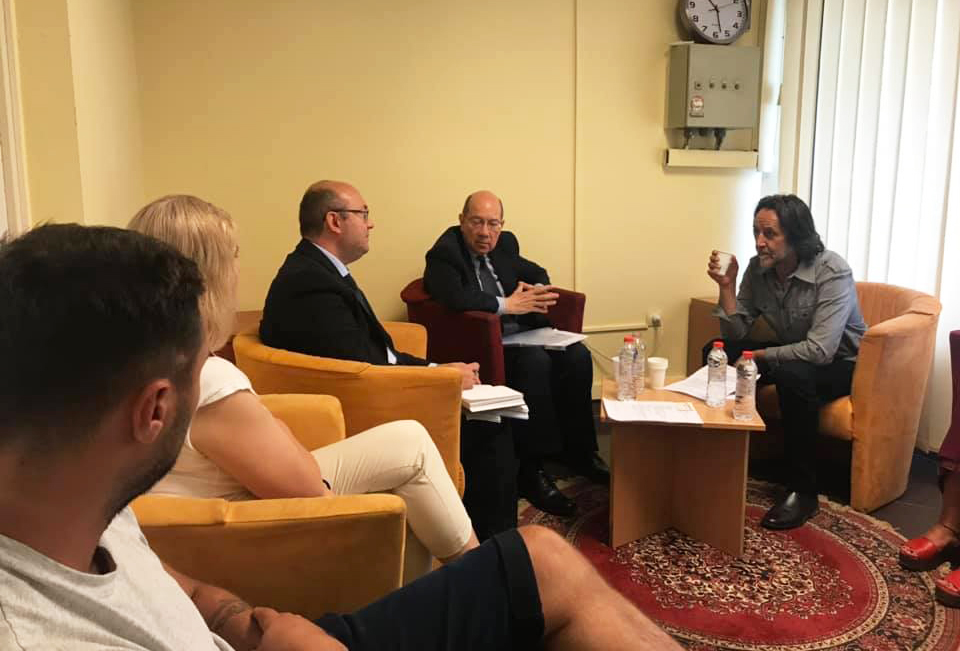

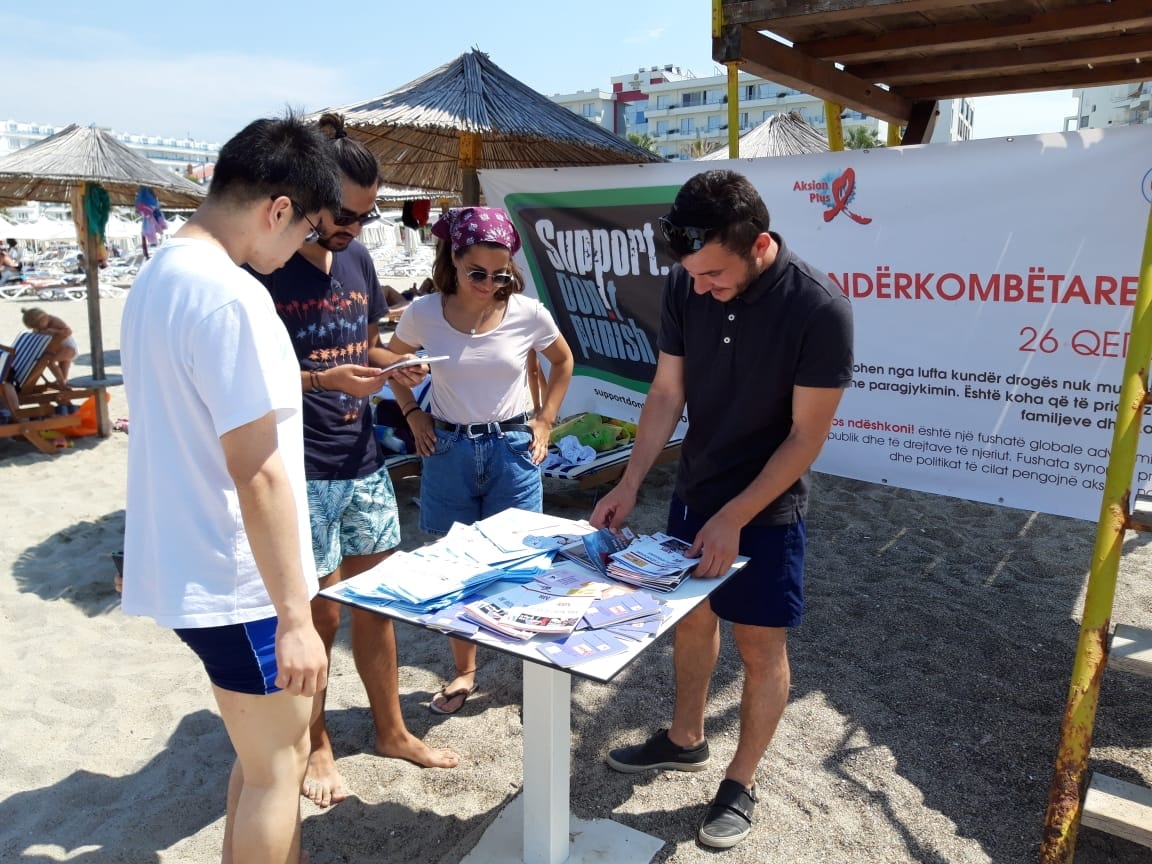


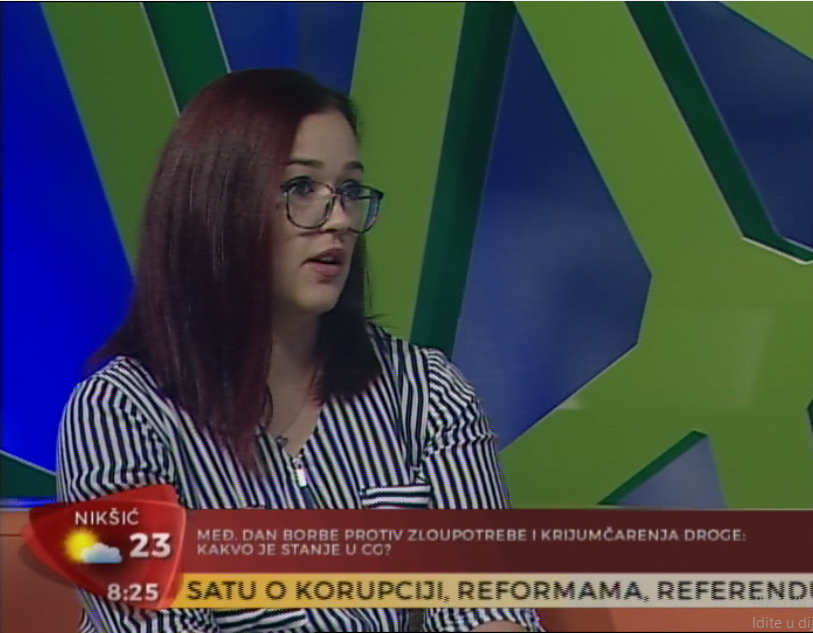


 On the occasion of the Global Day of Action of the “Support.” Don’t Punish” campaign and within the

 In the report, the Global Commission on Drug Policy explains how the biased historical classification of psychoactive substances has contributed to the “world drug problem”. It is the first-ever comprehensive report providing a political reading of the current evaluation and classification, or “scheduling” of drugs according to their harms. “The current distinction between legal and illegal substances is not unequivocally based on pharmacological research but in large part on historical and cultural precedents. It is also distorted by and feeds into morally charged perceptions about a presumed “good and evil” distinction between legal and illegal drugs.”
 Ruth Dreiffus, chair of the organization and a former president of Switzerland, wrote in the foreword: “…this classification or ‘scheduling’ of drugs is the cornerstone of the current repressive approach to drug policy, which has resulted in the ‘collateral damage’ of the ‘war on drugs—tragic consequences that the Global Commission on Drug Policy has condemned since its founding in 2011. The effects of prohibition—in terms of public health and security, discrimination and prison overcrowding, the rise in power of criminal organizations and the associated violence and corruption, as well as the lack of access to essential medicines—highlight the urgent need to change course and implement policies that are more effective and more respectful of human rights.”
 It is a great news to learn that the Association HOPS –