Policy Webinar: Universal Health Coverage for People Who Use Drugs

On 10 October 2025 (World Mental Health Day), the Eurasian Harm Reduction Association hosted a regional webinar under the EU4Health-funded BOOST project.

The webinar brought together speakers from WHO Europe, regional community networks and frontline services in Czechia, Lithuania and Romania. Participants joined from across Europe and neighbouring regions, including civil society organisations, community leaders, harm reduction professionals, clinicians and policymakers.

UHC that excludes PWUD is not universal

Opening the webinar, Ganna Dovbakh, Executive Director of EHRA, underlined that UHC cannot be called universal if it systematically excludes people who use drugs. She highlighted that in many countries, people who use drugs face a combination of criminalisation, stigma, fragmented services and poverty, which keeps them at the margins of health systems even where UHC frameworks formally exist.

Stela Bivol, from the WHO Regional Office for Europe, provided the global and regional policy context. She stressed that there is “no health without mental health” and no UHC without including people who use drugs and people with mental health and substance use conditions. She outlined WHO guidance on integrating mental health and substance use care into primary care, HIV and hepatitis services, and harm reduction, including the updated mhGAP recommendations and the new WHO clinical guidance on mental health and HIV.

Stela also drew attention to gender and intersectionality: women who use drugs, migrants, sex workers and LGBTIQ+ people often experience combined stigma, violence and rights violations that further reduce their access to care. Emergencies, such as the war in Ukraine, intensify mental health needs while disrupting services, making integration and task-sharing even more critical.

Communities as essential health actors

From the perspective of people who use drugs, Ligia Parodi (EuroNPUD) described UHC as “an empty promise” when people who use drugs are excluded by design through punitive drug policies and institutional discrimination. She stressed that fear of punishment, surveillance and institutional violence keeps people away from health services, and that many deaths and harms are the direct result of political choices.

Ligia highlighted community-led and peer-led initiatives, including BerLUN in Germany, Young Wave in Lithuania, and CASU and the women’s group MUSA in Portugal, which provide navigation, mutual support and advocacy on minimal budgets. These examples show that peers are already acting as health workers and system navigators, yet remain largely invisible and underfunded in UHC plans.

She called for decriminalisation, stable funding for community-led services, and meaningful participation of people who use drugs in decision-making bodies at national and EU levels, as well as in monitoring the quality and accessibility of UHC for key populations.

Integrated models from Czechia, Lithuania and Romania

The webinar showcased practical examples of integrating harm reduction and addiction care within UHC systems.

Radek Jurnikl (SANANIM, Czechia) presented a multidisciplinary outreach and low-threshold programme in Prague that combines social work, psychological support, nursing, psychiatric input and close collaboration with hospitals. The team provides street outreach, harm reduction services and on-site hepatitis C testing and treatment, as well as “hospital outreach” to ensure that patients discharged from hospital are immediately connected to OAT, shelter and follow-up support.

From Lithuania, Giedrius Likatavičius described the work of the Republican Centre for Addictive Disorders, which combines inpatient and outpatient care and runs an OAT programme with a dedicated budget line for people without health insurance. Social workers and nurses are embedded in low-threshold services to link clients to treatment and to HIV and hepatitis services. Lithuania’s model shows how mixed funding and dedicated lines for uninsured people can improve access, although stigma and weak financial incentives still limit decentralisation of OAT to primary care.

Monica Dan (ARAS, Romania) provided a contrasting picture from a more restrictive context. ARAS has offered harm reduction and OAT for decades, but services remain underfunded and not fully free of charge. Recent cuts to health insurance pathways have reduced access to treatment for many people who use drugs. At the same time, civil society must constantly resist new punitive legal initiatives. Monica underlined that without enabling legal frameworks and sustainable financing, even strong community-based services cannot deliver true UHC.

From evidence to advocacy

In the second half of the webinar, EHRA presented the joint BOOST advocacy strategy and the new policy brief: Advancing Universal Health Coverage for People Who Use Drugs in Europe, which translate these experiences into policy demands. The brief calls for harm reduction, OAT and mental health services to be explicitly included in UHC benefit packages; for peer navigators and low-threshold models to be recognised and funded; and for EU institutions to create or adapt funding mechanisms that reach community-led organisations.

Participants discussed the risk of over-medicalisation, the need to address self-medication and trauma, and the mental health needs of outreach workers and activists themselves. There was broad agreement that integrated and community-linked models are technically feasible and cost-effective, but remain politically fragile without decriminalisation, sustainable financing and meaningful community participation.

The webinar forms part of BOOST’s broader regional work on health, harm reduction and human rights. EHRA and partners will now use the policy brief and webinar outcomes to inform advocacy towards EU institutions, national governments and donors, ensuring that people who use drugs are not left behind in Europe’s push towards universal health coverage.

The recording from the webinar is available below
https://youtu.be/TQpJ3t5 KL_s


No Health Without Rights: New Policy Brief Urges Universal Health Coverage for People Who Use Drugs in Europe

In support of the EU Drug Policy Campaign 2025, the Eurasian Harm Reduction Association (EHRA), together with the Correlation – European Harm Reduction Network (C-EHRN), the European Network of People Who Use Drugs (EuroNPUD), and the Drug Policy Network South East Europe (DPNSEE), has released a new policy brief: Advancing Universal Health Coverage for People Who Use Drugs in Europe.

The brief calls for urgent reforms to ensure equitable access to healthcare for one of the region’s most marginalized populations. It outlines how people who use drugs continue to face systemic barriers to essential services—including harm reduction, mental health care, and treatment for infectious diseases—despite longstanding EU commitments to Universal Health Coverage (UHC) and the Sustainable Development Goals.

Universal health coverage must mean everyone – especially those most often left behind,” said Ganna Dovbakh, Executive Director at EHRA. “This paper is a roadmap for the EU and governments to close the gap between policy and practice.

A policy webinar to discuss the brief’s findings and recommendations is planned for 10 October, marking World Mental Health Day.

The release of the brief aligns with the EU Drug Policy Campaign 2025, which calls on EU institutions to adopt a health- and rights-based approach in the upcoming EU Drug Strategy (2026–2030).

This publication is part of the EU-funded BOOST project, which supports community-led advocacy for inclusive health systems across Europe.

Read the full policy brief here>>>.


Training for local advocacy

Six organisations that will implement local advocacy project that won the support throught a BOOST call for proposals gathered for a workshop in Budapest, Hungary on 13 and 14 June. Workshop aims and objectives were to:

  • Provide a comprehensive understanding of key advocacy concepts and the nuances of advocacy within the harm reduction field.
  • Familiarize participants with the BOOST project’s aims, objectives, and activities, including the Advocacy Strategy.
  • Review and improve local advocacy plans, emphasizing the community’s role in shaping and implementing these plans.
  • Provide tools and resources for the development and implementation of advocacy

Our colleagues from ARAS (Romania) and HOPS (North Macedonia) were among them, together with BerLUN (Germany), HuNPUD (Hungary), R3 (Portugal) and XADUD (Spain).

Besides inputs on the BOOST project, Advocacy, How to engage communities developing and implementing communities, and Media advocacy, participants had the opportunity to present their projects and work with mentors to fine-tune their projects and plans for their implementation.

ARAS plans to use the Electoral Year 2024, which in Romania includes elections on different levels, to ensure long term political support for harm reduction funding at all levels.

HOPS prepared a project to ensure the financial sustainability of Harm Reduction Programs in North Macedonia. It is important because last years the Ministry of Health cut the budget for harm reduction programs by about 40%.

Participants and regional network representatives were interviewed about their advocacy projects by the Right Reporter Foundation, Budapest based organisation that is an expert in video advocacy. The video they shall produce will be disseminated via BOOST project and partners’ communication channels.

How to set up online harm reduction services?

The Eurasian Harm Reduction Association (EHRA) presents a brief guide with recommendations how to launch a new – or improve an existing – online harm reduction service for people who use drugs. The guide “Recommendations for setting up online harm reduction services” entails all the information needed to start-up an online outreach programme. The information is presented in the form of concise, evidence-based, easily implementable recommendations.

It provides step-by-step, practical advice organized into thematic units, including sections on how to launch programs, policy development, staffing, safety and security, referral procedures, and a section on monitoring and evaluation.

The text is 100% reader-friendly, meaning that you literary do not need to know anything about ‘saturation’ or ‘validity’ or any other research related terminology. The recommendations included in this guide can be adapted in line with the needs and resources of individual organisations, local contexts, and characteristics of the target population. They can also be adapted for web outreach with other key populations, such as people living with HIV, sex workers, or men who have sex with men.

To access the Guide, follow this link>>>.


The BOOST project launch

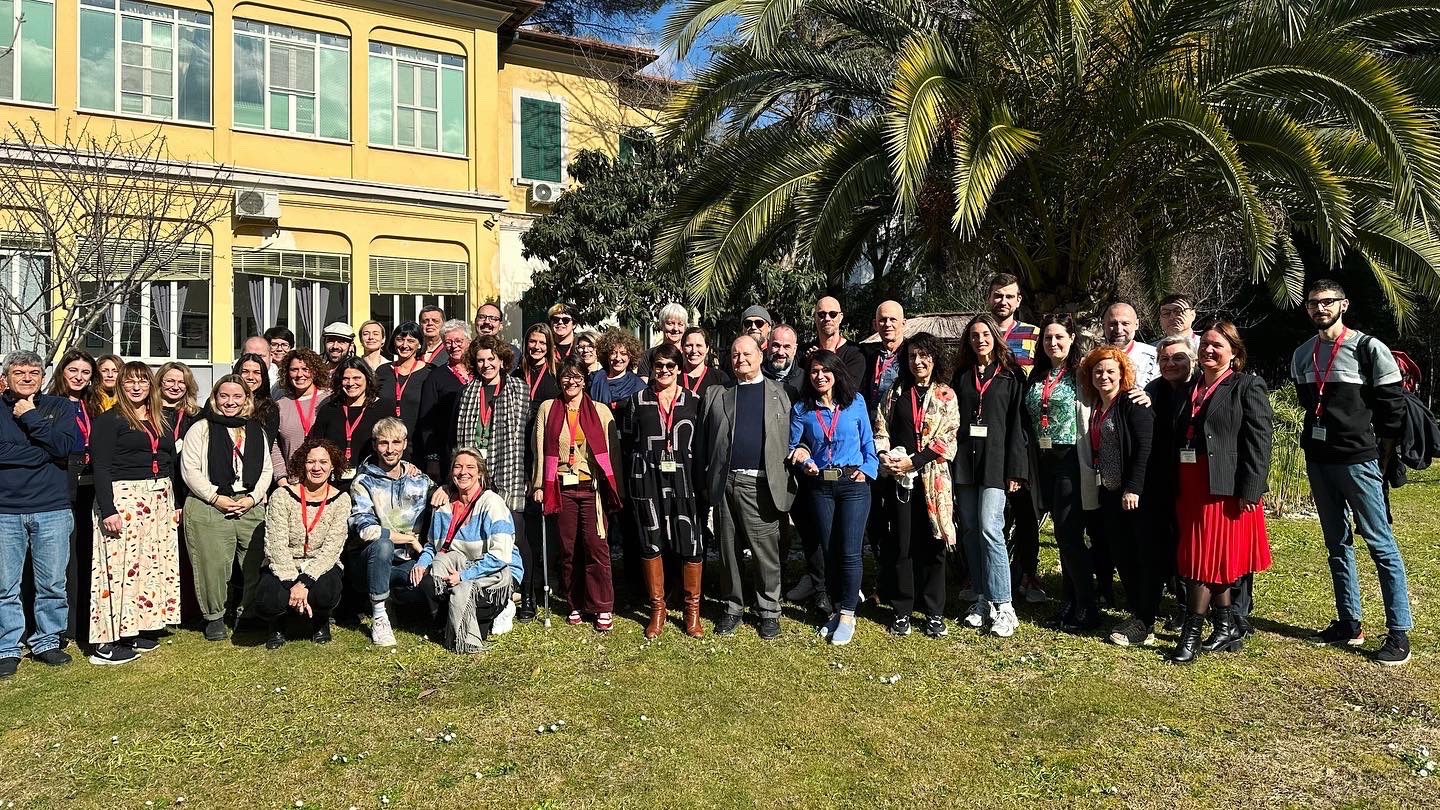
DPNSEE President Nebojša Djurasović and Executive Director Milutin Milošević participated at the first meeting of the BOOST Project in Rome 13 – 14 of February. 45 participants from more than 20 organisations joined in the Fondazione Villa Maraini in Rome.

The main aim of the BOOST project is to enhance the implementation of high-quality community-based & community-led communicable disease services as part of a comprehensive, people-centred and integrated harm reduction approach. To ahieve its goal, over the next three years, together with our partners we will focus on four key areas:

  • INFORM – providing a collection of up-to-date information and data on current practice and quality of community-based and community-led services.
  • IMPROVE – supporting the organisation of capacity building activities in the field of communicable diseases, indluding the use of digital tools.
  • SUPPORT – enhancing the scale-up of integrated community-based good practices building up existing models of good practice.
  • CONNECT & ACT – strenghtening and consolidating existing civil society networks and fostering advocacy interventions for the improved implementation comunity-based and community-led good practices oriented towards the needs of people who use drugs at European, national and local levels.

BOOST Project is founded by the EU4Health programme of the European Union, under the Action Grants to support the implementation of best practices in community-based services for HIV, AIDS, viral hepatitis and sexually transmitted infections. Partners include the Eurasian Harm Reduction Association, EuroNPUD, Free Clinic, Podane Ruce, LILA Milano, Asociacion Bienestar y Desarrolo, IGTP/ICO, ISGlobal, Foundazinone Villa Maraini. Supporting the projects work, the project with count with Scientific Advisory Board and the collaboration of organizations such as DPNSEE, ReGeneration, ARAS Foundation, AIDS Action Europe, among others.

Key harm reduction messages for the replenishment conference

In advance of the Global Fund Seventh Replenishment Conference to be hosted by President Biden in New York on September 19, 2022, the Network of People who use Drugs (INPUD), the Eurasian Harm Reduction Association (EHRA) and Harm Reduction International (HRI) developed key harm reduction messages for the Global Fund Replenishment Conference, implementation of the new Global Fund Strategy and the Global Fund’s New Funding Model (NFM4) cycle.

Harm reduction investment from international donors and governments in low and middle-income (LMI) countries totalled US$131 million in 2019 – just 5% of the US$2.7 billion UNAIDS estimates is required annually by 2025 for an effective HIV response among people who inject drugs. The Global Fund is the largest donor for harm reduction, providing at least 60% of all international donor support. The outcome of the replenishment will have significant consequences for harm reduction. The protection and scale-up of harm reduction programmes in low- and middle-income countries requires a fully funded Global Fund. An underfunded Global Fund will result in service closures, a reversal of gains made in HIV prevention among people who use drugs and ultimately, lives lost.

INPUD, EHRA and HRI urge the Global Fund and the wider donor community to be proactive in protecting harm reduction within all replenishment scenarios, in implementation of the Global Fund Strategy 2023-2028 and during the NFM4 cycle. Their recommendations centre on the following five areas:

  1. Harm reduction funding must be protected from any replenishment shortfall
  2. Catalytic investments for harm reduction and key populations must continue regardless of replenishment outcome
  3. Funding for community-led responses must be prioritised within NFM4, both for harm reduction and pandemic preparedness and responses
  4. Funding for efforts to increase domestic investment in harm reduction, and broader key population programming must be increased
  5. Funding for harm reduction in crisis must be protected and prioritised

The document with full explanation of the recommendation is available following this link>>>.


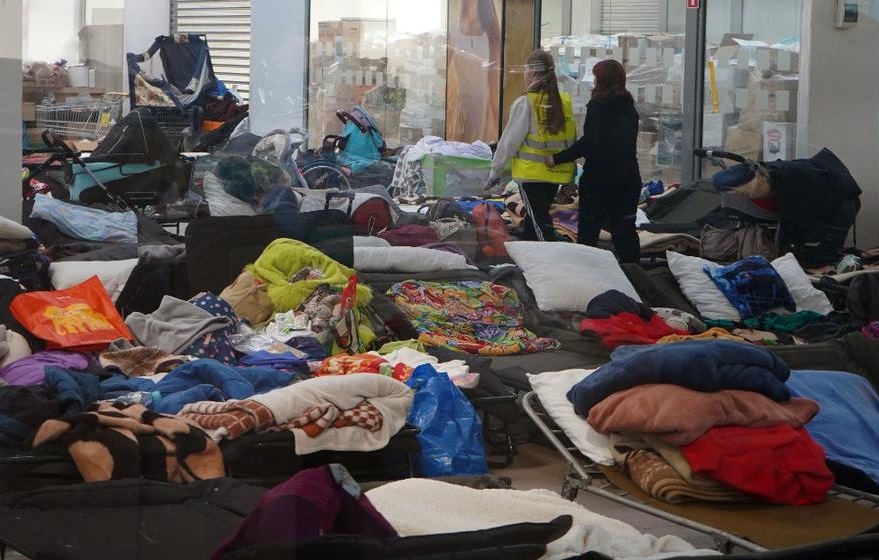
Civil society statement on ensuring continuity of essential life-saving treatments for Ukrainians in European countries

The Eurasian Harm Reduction Association (EHRA) initiated the Civil society statement on ensuring continuity of essential life-saving treatments for Ukrainians in European countries. The statement signed by 29 civil society organizations and networks, including DPNSEE.

The undersigned organisations, working with and representing the interests of communities of people living with and affected by HIV, tuberculosis, viral hepatitis and drug dependence in Central and Eastern European countries, call for the following urgent measures:

  • Organise medical data exchange with a particular focus on HIV and opioid dependence to ensure continuity of services between Ukraine and EU member states and among the EU member states;
  • As good clinical practice, ensure that previous diagnosis are accepted, people are prescribed the same regimens and take-home dosages of OAT as in Ukraine as much as possible;
  • To promote and follow the recommendations being set in the Standardized Protocol for clinical management and Medical Data-Sharing for people living with HIV among refugees from Ukraine[1] and to collaborate with WHO on the development of a similar protocol for the refugees from the Ukraine who are OAT patients
  • Support EU member states with emergency procurement and exchange of medications, as needed, to ensure methadone (tables), buprenorphine, dolutegravir-based antiretroviral therapy, pediatric antiretroviral medications and similar Ukraine-prevalent treatments are made available for continuation in all border and other neighbouring countries;
  • Establish a pool of translation support for clinicians and Ukrainian refugees and utilise automated translation services to overcome barriers in refugee services and clinical settings;
  • Support outreach and contacts by HIV and drug treatment experts and NGOs in refugee centres, including the sensitisation of staff and to urgently identify people in need of uninterrupted daily treatment;
  • Introduce simplified initiation of essential treatment to all Ukrainians with or without refugee status based on their passport data; and,
  • Ensure that monitoring systems and hotlines are available to clinicians and other service providers to immediately solve the health issues affecting Ukrainian refugees.

The Statement was sent to high level EU officials and authorities of France (currently holding EU Presidency), Czech Republic, Poland, Slovakia, Hungary and Romania.

To read full Statement, follow this link>>>.


An interesting discussion about the harm reduction crisis in SEE

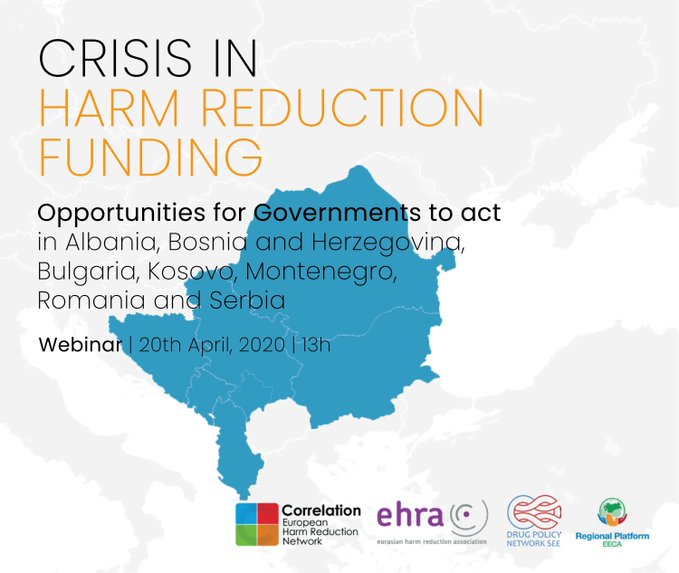
On the 20th of April 2022, the three Networks organized a Webinar on Harm reduction crisis in South East Europe. During this event, national decision-makers from the region, researchers, harm reduction service providers, community and civil society representatives came together to present and discuss the key findings of the research activities.

Correlation – European Harm Reduction Network, the Eurasian Harm Reduction Association and the Drug Policy Network of South-Eastern Europe have been working together to advocate for addressing the harm reduction crisis in South East Europe since 2019.

Countries of South-Eastern Europe and the Balkans, including Albania, Bosnia and Herzegovina, Bulgaria, Kosovo, Montenegro, Romania and Serbia, are experiencing relatively high levels of HIV and HVC infection among people who inject drugs. However, due to limited domestic resources and the gradual withdrawal of the Global Fund from the region, the governments of these countries are facing a lack of resources to continue the long-term funding of comprehensive harm reduction programmes.

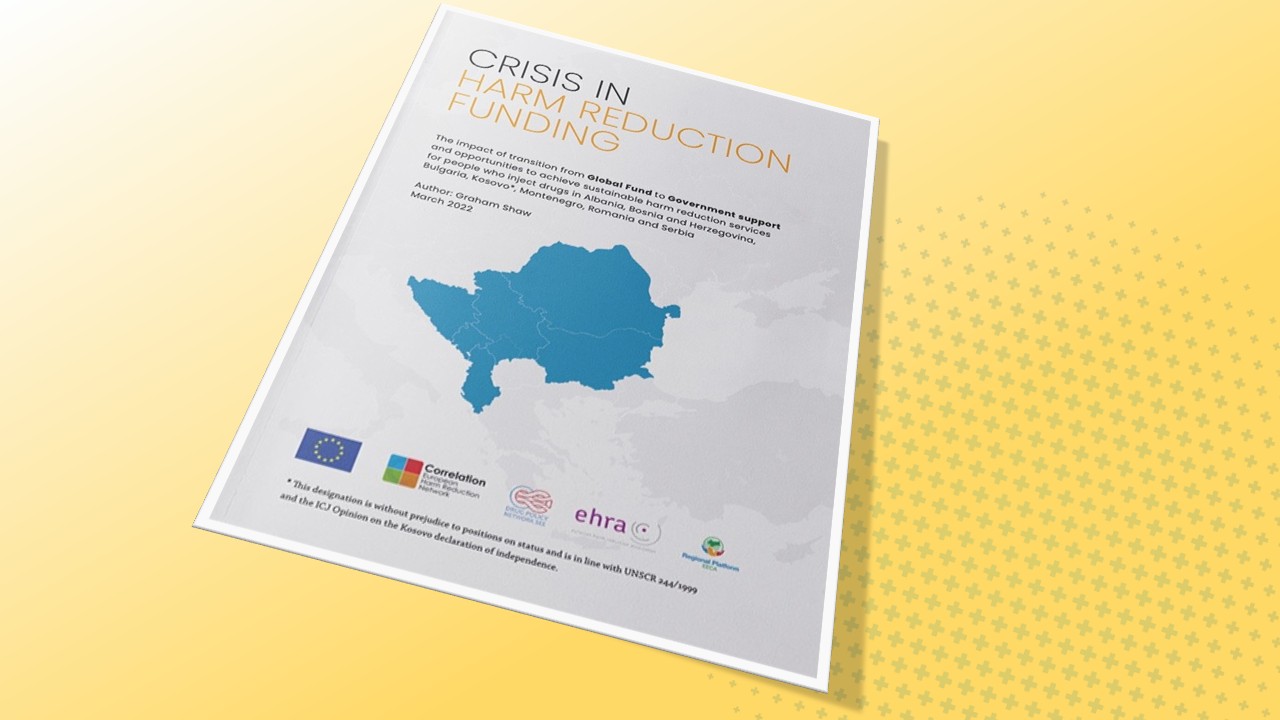
During this webinar, C-EHRN, EHRA and DPNSE present the research Crisis in harm reduction funding: The impact of transition from Global Fund to Government support and opportunities to achieve sustainable harm reduction services for people who inject drugs in Albania, Bosnia and Herzegovina, Bulgaria, Kosovo*, Montenegro, Romania and Serbia they have conducted in the area and discuss its key findings, which include among others:
  • Common challenges of scaling-up harm reduction programmes in the countries of South-Eastern Europe.
  • Consequences of the limited funding of the harm reduction services for public health and national healthcare systems.
  • Opportunities available for the governments of the region to act and invest funds and efforts in effective and proven models of harm reduction in their respective countries.

Building upon this research, this publication, and also policy briefing and factsheet, highlight opportunities available for the governments of the region to act and invest funds and efforts in effective and proven models of harm reduction in their respective countries.

Recording of the Webinar is available below.

Harm reduction crisis in South East Europe

Correlation – European Harm Reduction Network, the Eurasian Harm Reduction Association and the Drug Policy Network of South-Eastern Europe have been working together to advocate for addressing the harm reduction crisis in South East Europe since 2019.

The three networks are hosting an online discussion about the funding challenges and opportunities for governments to the crisis of harm reduction services in SEE countries and the Balkans.

The webinar will take place on the 20th of April from 13:00h to 14:30h CET.

Countries of South-Eastern Europe and the Balkans, including Albania, Bosnia and Herzegovina, Bulgaria, Kosovo, Montenegro, Romania and Serbia, are experiencing relatively high levels of HIV and HVC infection among people who inject drugs. However, due to limited domestic resources and the gradual withdrawal of the Global Fund from the region, the governments of these countries are facing a lack of resources to continue the long-term funding of comprehensive harm reduction programmes.

During this webinar, C-EHRN, EHRA and DPNSE will present the research they have conducted in the area as well as opportunities available for the governments of the region to act and invest funds and efforts in effective and proven models of harm reduction in their respective countries.

The webinar is open to national decision-makers from the SEE region, the Balkans and other European countries, researchers, harm reduction activists, civil society representatives, harm reduction service providers and the media.

The event will be held in English. To register and to receive the complete webinar agenda, please fill in the form https://us02web.zoom.us/webinar/register/WN_-4Dh14MmQumJc3mPJxZgOw

Please contact for more details: Roberto Perez Gayo rpgayo@correlation-net.org


Crisis in harm reduction funding

Correlation – European Harm Reduction Network, the Eurasian Harm Reduction Association and the Drug Policy Network of South-Eastern Europe have been working together to advocate for addressing the harm reduction crisis in South East Europe since 2019.

Countries of South-Eastern Europe and the Balkans, including Albania, Bosnia and Herzegovina, Bulgaria, Kosovo, Montenegro, Romania and Serbia, are experiencing relatively high levels of HIV and HVC infection among people who inject drugs, including those who inject psychoactive substances. However, due to limited domestic resources and the gradual withdrawal of the Global Fund from the region, the governments of these countries are facing a lack of resources to continue the long-term funding of comprehensive harm reduction programmes. In addition to these and other barriers, in some countries, there is no legal basis for NGOs to provide services to marginalized populations, including people who use drugs.

Graham Shaw produced the research he have conducted with our and support of our colleagues from the region.

The following report, policy briefing and factsheet present and analyze current common challenges of scaling-up harm reduction programmes in the countries of South-Eastern Europe and the consequences of the limited funding of the harm reduction services for public health and national healthcare systems. Building upon this research, these publications highlight opportunities available for the governments of the region to act and invest funds and efforts in effective and proven models of harm reduction in their respective countries.

Report


Policy brief


Factsheet