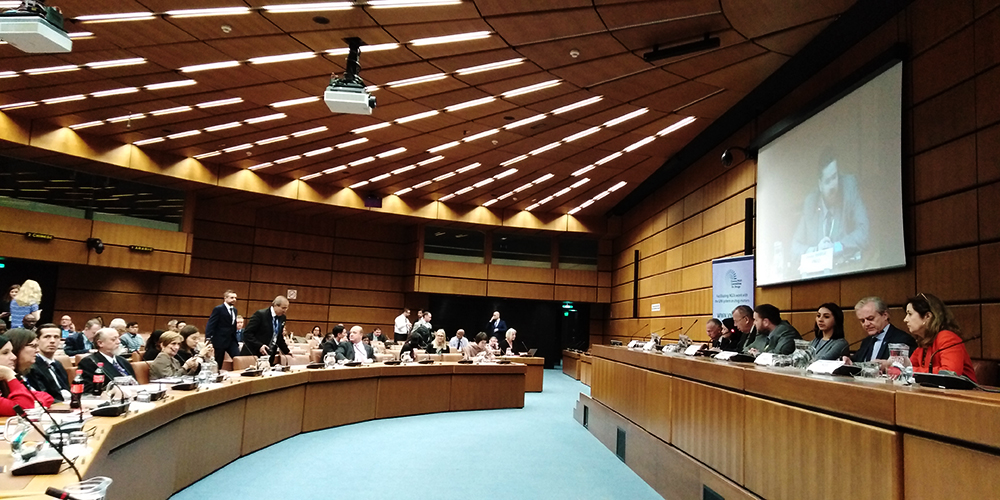
This page will be updated during the day, as the events happen
Side events
Human rights tools: Incorporating international justice and targeted sanctions into drug policy
Organized by DRCNet Foundation and Forum Droghe Associazione Movimento per il Contenimento dei Danni
The event was about the situation in The Philippines where rights of drug users are violated. There were more than 30.000 acknowledged and 20.000 unofficial killings recently and extended attack on political opposition and media.
Also, situation in Bangladesh, where people are killed for both sex and drug crimes.
Good practices in cross-sectoral cooperation: Civil society involvement in policymaking in Europe
Organized by Finland and Spain, and Civil Society Forum on Drugs in Europe, Correlation – European Harm Reduction Network, European Union, Foreningen for Human Narkotikapolitikk, International Drug Policy Consortium, Rights Reporter Foundation and Youth Organisations for Drug Action
Civil Society Forum on Drugs members are selected by the European Commission. CSFD representative presented a variety of activities they had.
Elina Kotovirta, Finish representative talked about cooperation with CSFD in 2019, when they held the EU presidency – in preparations for the Ministerial segment last year. Both sides evaluated cooperation as a very good one.
The representative of Norway Carl-Erik Grimstad, member of the Parliament, started his presentation raising the shirt with message “Nothing about us without us”. The civil society representatives gave a significant contribution in defining a new drug policy. He underlined that the key change needed is de-stigmatisation. Decriminalisation that is about to be adopted is a step in that direction. He encourages community organisations to take the lead in this process.
Arild Knutsen, leader of the Norwegian Association for Humane Drug Policy, drug user almost all his life. He was recently seen as a garbage of the society, but now he finds himself a source of the society. He spoke about the process of changes and spoke so positive about cooperation they have with politicians, parliamentarians and ministries. “Our drug policy is just humane!”
Milutin asked two questions:
- Is it OK that EU institution decides about who will be civil society representatives in the CSFD?
- Do you work with candidate countries? Acquis have only a narrow view on the issue of drugs – almost exclusively drug supply.
The Finish representative explained process of electing CSFD members and promised to propose finding a model of involving the civil society itself in that process. She also mentioned some ways of cooperation with accession countries (cooperation with EMCDDA, twinning projects) and agreed that most of the relation is on supply demand.

Meetings
Civil society organisations had informal dialogues with CND Chair, Director of UNODC and INCB Chairman.
Informal meeting of the European Citizens’ Initiative to change regulation on cannabis was held at the CND. The text of the initiative is in the final stage. The main challenge is how to collect million signatures in EU.

IDPC invited organisations active in the “Support. Don’t Punish” campaign for a meeting to discuss developments and the upcoming 2020 Global Day of Action. The International day of action will be celebrated for the eight time. The call for expression of interest will be issued on 16 March and opened for a month. The process will be the same as recent year(s). There was a call for projects in October 2019 where 84 projects were submitted but IDPC had resources to support only 6 of them.


 Organized by Canada, and Association Proyecto Hombre, Canadian Centre on Substance use and Addiction, Dianova International, The Interest Organisation for Substance Misusers and Turkish Green Crescent Society.


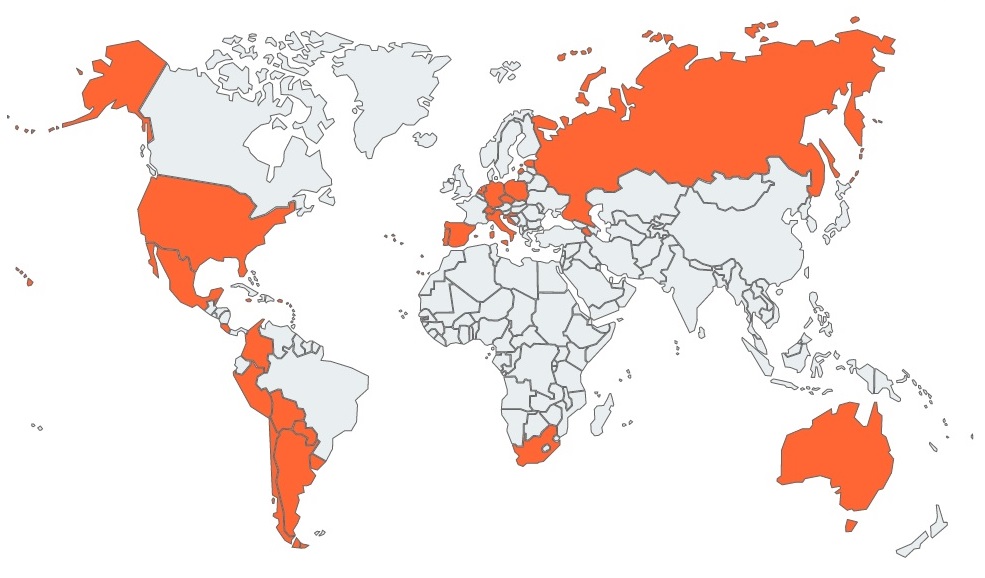



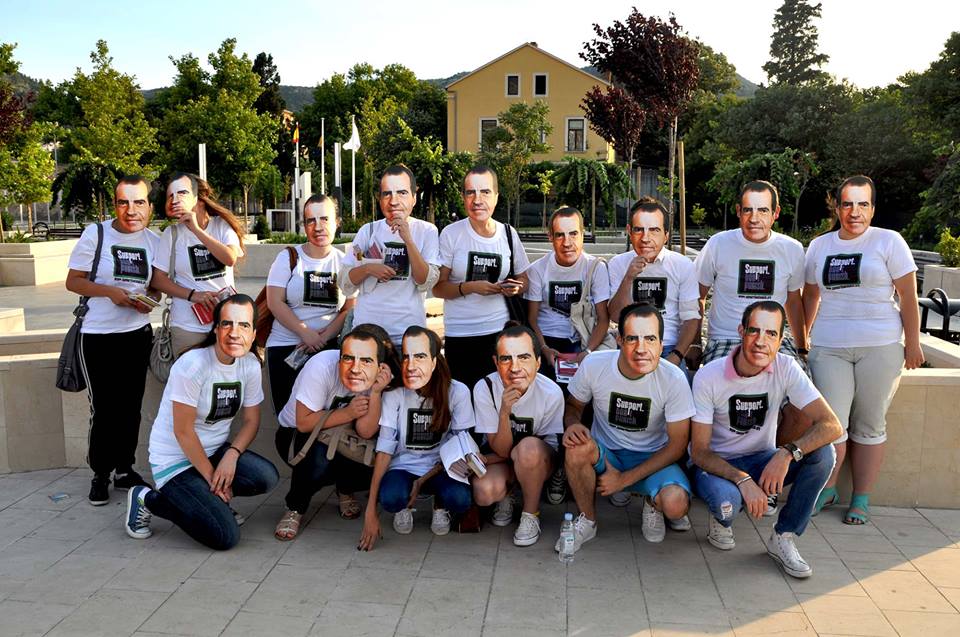
 The Drug Policy Network South East Europe coordinates activities of the campaign in South East Europe around the Global Day of Action 26 June – which is also the United Nations’ International Day against Drug Abuse and Illicit Trafficking.
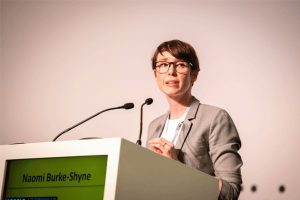 Naomi Burke-Shyne, Executive Director of Harm Reduction International (HRI), said: ‘The evidence for harm reduction is indisputable. It is nothing short of disgraceful that governments continue to fail to support and invest in health services for some of the most marginalised people’.
 Ann Fordham, Executive Director of the International Drug Policy Consortium (IDPC), stated: ‘just over ten years left for countries to meet their global commitment to champion health, reduce inequalities, and provide access to justice for all, as enshrined in the UN’s Sustainable Development Goals, there has never been a more urgent need to strengthen political leadership at all levels. Faced with the current crisis, complacency can no longer be tolerated’.
 IDPC are seeking as many NGO sign-ons as possible until Friday 26th April. The letter will then be shared with governments, UN officials and the media when the Conference starts on Sunday.
 The meeting began with a ministerial segment on 14 and 15 March aimed at taking stock of the implementation of the commitments made to jointly address and counter the world drug problem.