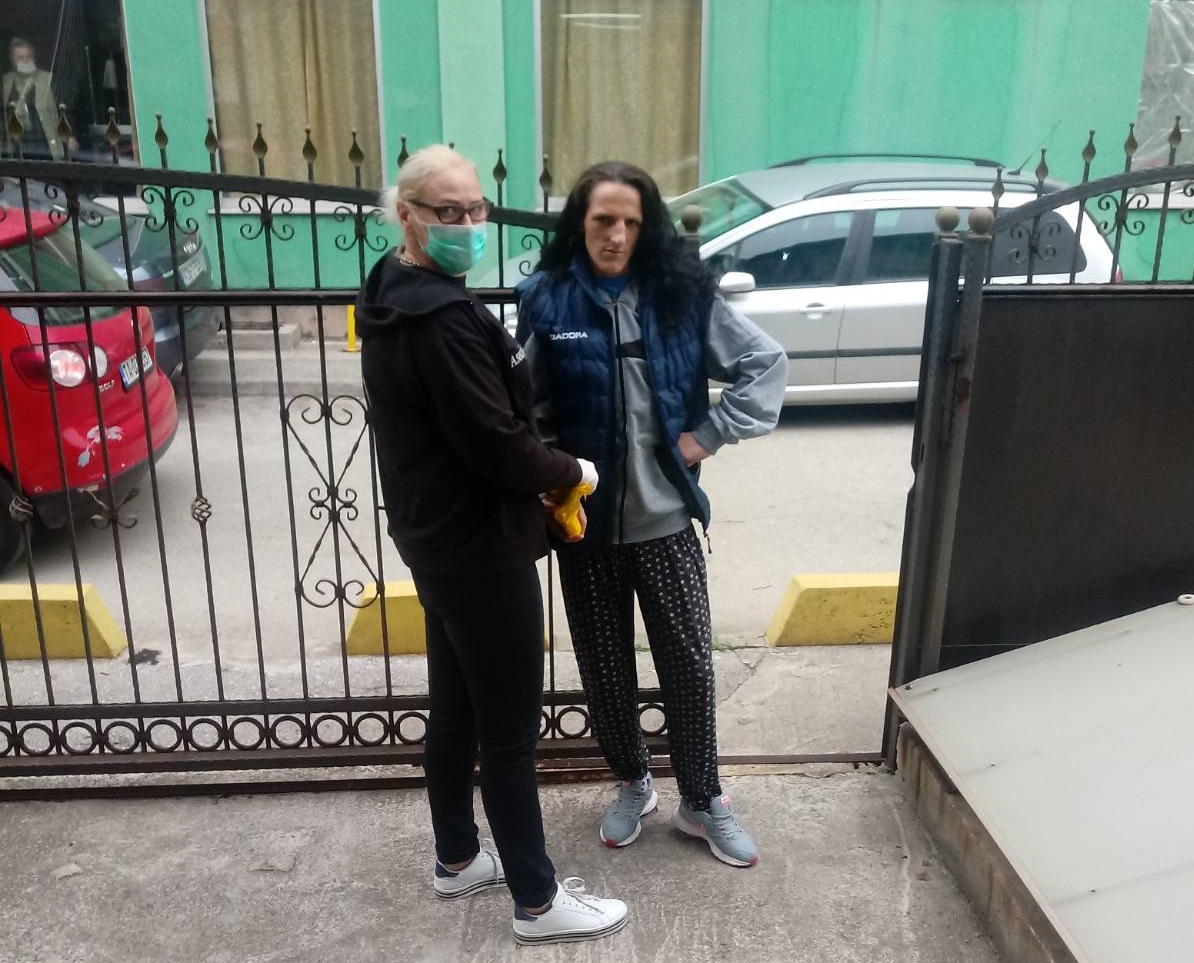
Streetwork Project in Athens and Thessaloniki

The “Streetwork Project” – an initiative of the two clubs “Checkpoint” and “Red Umbrella Athens” and “ARISTOTLE” – was created in 2013 and over the years has approached vulnerable groups such as users of psychoactive substances, refugees, immigrants, sex workers, men who have sex with men and the homeless. The project implements actions in central parts of Athens and Thessaloniki and provides information services, harm reduction, referral to other agencies and organizations. It also intervenes to promote prevention, regular screening and safer sex and distributes leaflets, condoms and synergies for safer use for intravenous users.

The Streetwork Project addressed the additional needs that emerged in the field during the pandemic, due to the restrictive measures. At the same time, the partial suspension of organizations and agencies providing support services to vulnerable populations has exacerbated the situation, as many of their homeless fellow citizens are already facing severe food problems. That’s why they adjusted their actions, extended our working hours and days.

On Tuesday, March 31, 2020, through the websites and social media of the clubs, they issued the first call to the public to strengthen this effort. The response was very moving.

On Monday, April 27, 2020, due to the growing needs, they started a crowdfunding campaign to raise more food, bottled water, juices, snacks, protective medical material (masks, gloves, antiseptics) and personal hygiene items.

If you want to make a cash donation, crowdfunding campaign can be found here>>>. It will be available until May 30, 2020.

So far, they have collected:

  • 1,600 kit of sanitary material for injectable use
  • 6,000 disposable gloves
  • 4,500 protective masks
  • 50 antiseptic wipes
  • 25 sleeping bags
  • 14,000 bottles of bottled water
  • 2,500 juices
  • 3,500 croissants
  • 2,500 snacks (breadsticks, nuts cookies, etc.)
  • 2,500 portions of food

From March 31 until today, they have made the following available to vulnerable groups:

  • 400 kit of sanitary material for injectable use
  • 100 disposable gloves
  • 100 protective masks
  • 50 antiseptic wipes
  • 15 sleeping bags
  • 3,500 meals (portions of food, toast, sandwiches, croissants, etc.)
  • 3,000 juices and water


The COVID-19 Conference

In recognition of the urgent need to analyse research, review policy and exchange frontline experiences related to the COVID-19 pandemic, the International AIDS Society (IAS) will host a special one-day COVID-19 Conference with breaking COVID-19 research, policy analysis and frontline experience. The virtual COVID-19 Conference will feature a free-of-charge, stand-alone programme of plenary, invited-speaker and abstract-driven sessions.

The conference will take place on 10 – 11 July 2020, concluding AIDS 2020: Virtual. Delegates already registered for AIDS 2020: Virtual are automatically registered to attend the COVID-19 Conference.

COVID-19 abstract submissions, including exploratory studies, are now open until Monday 25 May 2020. Abstracts for the special one-day COVID-19 Conference will be considered in one or more of five tracks.
Abstracts for the special one-day COVID-19 Conference will be considered in one of the following tracks:

  • Track A: Basic science, pathogenesis, virology, immunology, inflammation
  • Track B: Clinical science, testing (RT-PCR and serologic) and diagnoses, natural history, clinical care, ARDS care, therapeutics
  • Track C: Epidemiology, transmission dynamics, prevention, vaccines
  • Track D: Public health responses including physical distancing and community level efforts, programmes, policies, lifting restrictions, modelling
  • Track E: Social, economic, political, human rights impacts of the pandemic and the response Register today and submit your COVID-19 abstract to the world’s first abstract-led conference on COVID-19 as we come together to advance the response to the COVID-19 pandemic. More information on the COVID-19 Conference can be found here.

For more information, visit this link>>>


I think we did a good job

Talas – Serbia based media portal “about politics, economy and ideas” published an article about effects of the coronavirus on people who use drugs in Serbia. The article is based on information published by DPNSEE and interviews with Milutin Milošević, our Executive Director, and Irena Molnar, the Executive Director of our member organisation Re Generacija.

Milutin emphasized that the civil society organisations from the region have done a good job before and during the first period of the outbreak. The result is that we haven’t noticed any infection among users of our services.

Irena emphasized that people who are on treatment are in an additional risk because they have to travel, sometimes daily, to get the treatment or social care.

The article, in Serbia, is available here>>>

Useful and fruitful Conference held

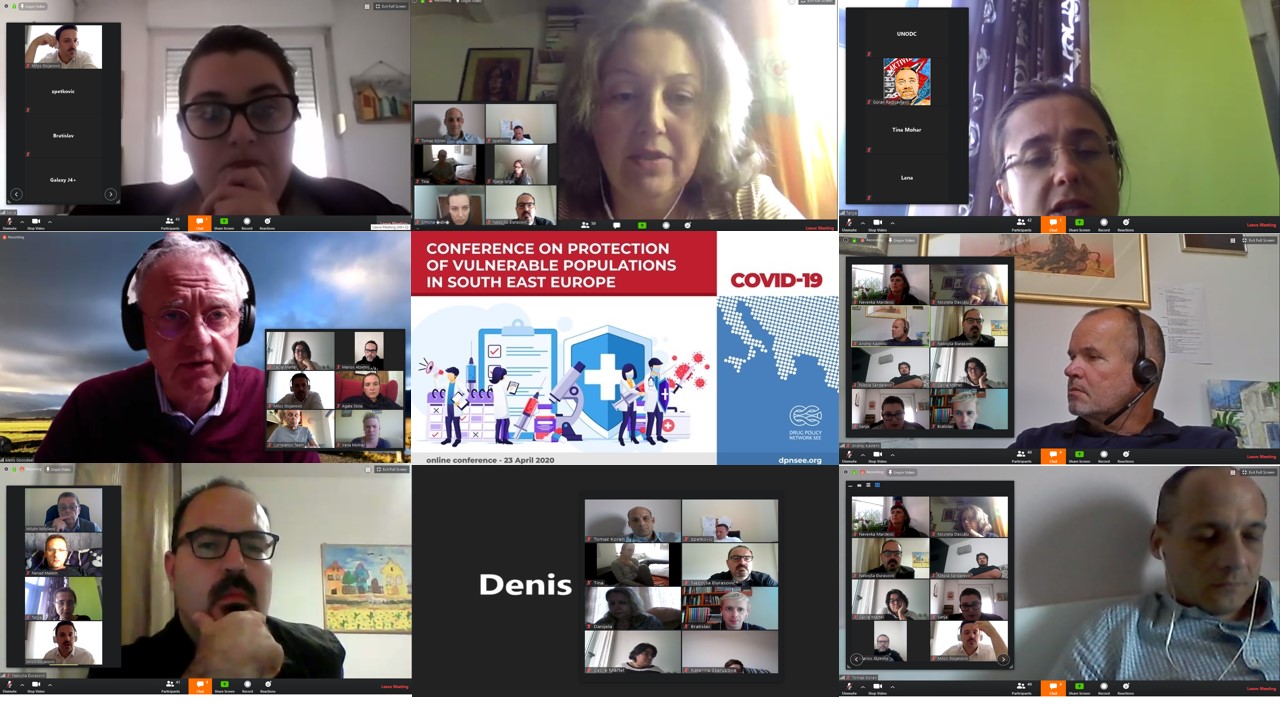
DPNSEE held today the on-line Conference on protection of vulnerable populations in South East Europe, with support of the Service for Combatting Drug Abuse at the Croatian Institute for Public Health and the United Nations Office on Drugs and Crime – UNODC Programme Office in Serbia.

More than 60 representatives of civil society organisations, national drug agencies, international organisations and agencies and donor community participated.

We heard a lot of good stories about work done in the region on supporting vulnerable populations and several interesting ideas for actions to ensure that harm reduction services are sustainable during and after the COVID’19 epidemic.


DPNSEE prepared background documents for the Conference which are available at the recent news on our website>>>.

Here are updated documents, with some fresh information from countries, and the Minutes from the Conference.

  • Overview of the situation with coronavirus COVID-19 in SEE with two annexes (available here>>> with both annexes or here>>> as a separate document):
  • Annex 1 – Information received from countries of South East Europe during conference calls (available here>>>)
  • Annex 2 – DPNSEE activities during the coronavirus outbreak (available here>>>)

Minutes from the Conference are available here>>>.

Presentation from Mr Miloš Stojanović, Regional Project Manager at UNODC, Head of Programme Office in Serbia is available here>>>.


Shelter for homeless users opened in Athens

Source: Positive Voice

On the initiative of the Municipality of Athens and in collaboration with organisations OKANA and KETHEA a shelter for homeless users of psychoactive substances opened its doors in Athens on 22 April 2020. It is located at the premises of the Ionis Hotel at 41 Halkokondyli Street, in the centre of the city and aims to “embrace” vulnerable groups in order to protect them from the coronavirus pandemic.

The building will accommodate 70 people providing the possibility of hosting up to 140 people for up to 6 months.

Users will receive the following services on a 24-hour basis, with full respect for human rights:

  • Housing
  • Individual care and hygiene
  • Treatment programs
  • Nursing
  • Counselling
  • Psychosocial support and interconnection with health services
  • Legal assistance
  • Providence
  • Social and labour reintegration

Conference on protection of vulnerable populations in South East Europe

Spread of the coronavirus and illness officially known as COVID-19 around the world, in Europe and in the region of South East Europe has a devastating effect on general population as well as on people who use drugs and other connected vulnerable populations (homeless people, sex workers, LGBTI, MSM, people living with HIV and many others).

DPNSEE reacted early on the information about possible outbreak of the coronavirus in Europe sending a Letter to member organisations inviting them to prepare for the coronavirus outbreak with brief instructions, publishing the Public appeal to protect vulnerable groups from coronavirus COVID-19, sharing and translating instructions and advice on coronavirus and keeping contacts with our member organisations and international partners. We regularly update news from South East Europe – they are available at the News section of our website.

We held conference calls with our member organisations by countries from South East Europe last weeks. We heard a lot of good stories about their work and ideas to share.

Analysing the situation and discussing potential developments during and after the outbreak, the DPNSEE Board decided to hold the on-line Conference on protection of vulnerable populations in South East Europe. The Conference will be held with support of the Service for Combatting Drug Abuse at the Croatian Institute for Public Health and the United Nations Office on Drugs and Crime – UNODC Programme Office in Serbia.

The aim of the Conference is to contribute to ensuring the sustainability of services for key populations during and after the coronavirus epidemic. As stated in the UNODC document Suggestions about treatment, care and rehabilitation of people with drug use disorder in the context of the COVID-19 pandemic “it is important to ensure the continuity of adequate access to health and social services for people who use drugs and with drug use disorders and provide the continuum of care required as described in the International Standards for the Treatment of Drug Use Disorders (UNODC/WHO, 2020) to the best extent possible also in times of crisis”.

Besides our members and other civil society organisations from the region and wider, we invite to the Conference national drug agencies and health institutions, international organisations partners and donors.

The Conference will be held via Zoom at the following link https://us02web.zoom.us/j/86072202401 on Thursday 23 April 2020 starting at 14:00 CET (15:00 EEST). The conference would last for a maximum of two hours.

The Agenda will include two items:

  1. Overview of situation with coronavirus among vulnerable populations in South East Europe.
  2. Proposed actions to ensure sustainability of services for key populations during and after the coronavirus epidemic.

The background documents for the Conference we plan to prepare and post here in the next few days include:

  • Overview of the situation with coronavirus COVID-19 in SEE with two annexes (available here>>> with both annexes or here>>> as a separate document):
  • Annex 1 – Information received from countries of South East Europe during conference calls (available here>>>)
  • Annex 2 – DPNSEE activities during the coronavirus outbreak (available here>>>)
  • Draft list of actions and measures to ensure sustainability of services for key populations during and after the coronavirus epidemic (in progress).

In preparations for the Conference, we shall also use and refer to the documents which are also produced and promoted internationally, including those from UNODC, UNAIDS, EMCDDA and other national and international intergovernmental and civil society organisations.

We sincerely hope that you shall join us in this effort to make sure that a truly inclusive universal health coverage grounded on rights-based laws, policies and procedures is achieved by prioritizing and protecting vulnerable groups.


New model of work in Zenica and Tuzla

Denis Dedajić, President of the Association Margina from Bosnia and Herzegovina sent us a short summary of the situation from March 1 to April 10.

Drawing on our life experiences we have had the opportunity to experience (the 4-year war, the floods of 2014), we can point out that we have very quickly adapted to the situation caused by the COVID 19 pandemic.

Our operations are compounded by the funding problems of our services that you are already aware of. Our organization is the only one that has survived the provision of harm reduction services in all of Bosnia and Herzegovina.

In accordance with the orders and recommendations of the Crisis Staff managing this health and social crisis, we had to close both Drop in centres (Zenica and Tuzla) and transferred all forces to the field.

A rapid mapping of the terrain was carried out and interviews with a large number of clients enabled a new methodology of work, all in line with the recommendations on the method of contacts between people. We currently cover all our clients in two regions, covering about 1 million people and about 1.800 of our clients, and with the great help of our clients we have identified in both regions 20 key points – persons to whom we deliver all the materials available to us.

The material is delivered on the basis of the stated needs of our clients. In the period from March 1st to April 10th we distributed in both regions 51.800 needles and syringes, 25.000 pieces of distilled water, alcohol wipes, containers for preparation of the mixture and 1.200 containers for disposal of infectious waste. It should be noted that during this period about 45.000 needles and syringes and other infectious material were collected and deposited in our drop in centres until this crisis passed.
We have established 4 sex workers supply lines and have distributed a lot of materials (over 500 hygiene packages) and unfortunately this is the only one they have received over the last three months.

The biggest win at the moment is the involvement and commitment of our clients throughout this work process.

In interviews with the inmates of the largest prison, we confirmed that they lack basic equipment such as mask gloves and disinfectants and the needs are quite high. The good situation is that all visits are suspended and there is very little opportunity for COVID to break into these facilities, although they need urgent help with these safeguards to improve the prevention system and reduce the possibility of infection.

 All of this work is done by 6 of our employees and we all do all the work and have very few resources at our disposal. The 6 of us have been volunteering for a long time and will work as long as we have materials to share with our clients.

If this model of work continues, our supplies are sufficient by the end of June. After that we will be forced to close after 18 years of conducting harm reduction services in Bosnia and Herzegovina because we will no longer be able to do so.


Crime in the Western Balkans during the coronavirus

Did organized crime groups continue with their activity at the time of Coronavirus, which trends in the criminal activities in the Western Balkans can be noticed in the first six weeks of the pandemic and which scenarios can be envisaged for the future?

Saša Đorđević

The Belgrade Centre for Security Policy published a report on criminal activities in the Western Balkans during the COVID-19 outbreak – Crime in the Western Balkans during the coronavirus – early findings. The report was prepared by their researcher Saša Đorđević.

The report states that “The region has experienced a small increase in the price of marijuana, which is still very much present on the market. The same applies to stimulant drugs” and that “People with drug and alcohol problems, persons living with HIV, those who are susceptible to stress, citizens with mental health problems, pensioners, the poor, the homeless and recently released prisoners are the biggest potential victims of crime during this pandemic crisis.”

Scenarios envisaged for the future include the one that “There will be a decline in the supply and quality of illegal drugs. The price of heroin substitutes is expected to increase. It is certain that criminal groups will find alternative ways of distributing narcotics and other illegal products in urban areas, using mobile technologies and couriers, but also corruption of law enforcement. It is possible that criminal groups will shift their manufacturing and logistics activities to smaller towns and rural areas, where they will be less visible.

With information we received from our member organisations from around the region, DPNSEE provided significant contribution to the report section that deals with Narcotics, but also general comments and proposals for recommendations.

Belgrade Centre for Security Policy (BCSP) is an independent think-tank publicly advocating human, national, regional and international security based on democracy and respect for human rights.

The report is available in English (Crime in the Western Balkans during the coronavirus – early findings) or in Serbian (Kriminal na Zapadnom Balkanu u doba korone: prva zapažanja).

Special call for grant applications for pilot activities responding to local needs arising from the COVID-19

The European Youth Foundation (EYF) is launching a special call for local or national youth organisations that are looking for funding for activities which respond to local needs arising from the COVID-19 crisis.

You can apply for the EYF pilot activity grants. Priority will be given to pilot activities that aim at demonstrating solidarity and support to all persons affected by the COVID-19 crisis, such as:

  • Reaching out to and supporting particularly vulnerable groups of people, including homeless, refugees and asylum-seekers, people with disabilities, people living in isolation or in remote communities;
  • Support to health, social and educational services;
  • Education and awareness-raising of the importance of human rights in responses to COVID-19 crisis.

All pilot activities must respect the sanitary and safety measures put in place by the competent authorities at national and/or local level. Further, applicant youth organisations are strongly encouraged to co-ordinate their activities with the competent authorities and to indicate such in their project proposal.

The maximum EYF grant to a pilot activity is €10 000. The next cut-off date will be 10 May, but COVID-19 related applications may be submitted throughout 2020. Subsequent cut-off dates will be defined later in 2020, and include June and September, to allow for the processing of applications and decisions on grants.

Youth organisations can submit applications only if they are registered with the EYF. The instructions and criteria for registration can be found here>>>.

Information on the procedure and criteria for application can be found on the EYF website following this link>>>.

Duga active both locally and wider

Our member organisation Duga supports vulnerable populations in their municipality Šabac, but their outreach team is, as usual, active around Serbia.

During first days of the epidemic in Serbia, team of the Association Duga from Šabac, Serbia, visited suburbs with Roma populations and various vulnerable populations to inform them about preventive measures against coronavirus. They dedicated special attention to those who recently returned from the areas with high epidemics – Italy, Germany and Austria – who either came to visit their families back home or returned from seasonal work (especially sex workers).

This action was supported by the Regional Programme on Local Democracy in the West Balkans (ReLOaD), financed by the European Union and implemented by the UNDP Office in Serbia.

The extraordinary situation with coronavirus haven’t prevented Duga outreach team to continue HIV testing in cities around Serbia. On 9 April they have tested interested people in Kragujevac, Central Serbia, while the day after they went to Novi Sad in the Northern province of Vojvodina.

DPNSEE provided Duga with an amount of hygienic material, masks and food for vulnerable populations in their municipality. Duga also managed to get bread as donation from the organisation Human Heart of Šabac.

The Duga team, together with assistant of the Roma coordinator of the city of Šabac Sanja Petrović, distributed 122 humanitarian packages to 251 people in villages of Petlovača, Cerovac, MIšar, Letnjikovac, Pocerski Pričinović, Majur, Varna, Pocerski Metković, Bogosavac, Lipolist and the city of Šabac on 14 and 15 April.