Third DPNSEE Quarterly newsletter

The third issue of our newsletter in 2019 – DPNSEE Quarterly is out. In the July – September issue you may find information about:

  • DPNSEE Board meeting
  • Regional training “Strengthening young people at risk of social exclusion“
  • Revival of prevention programs in Bulgaria
  • European Prevention Curriculum
  • Results of budget analysis in Bosnia Herzegovina and Serbia
  • International Overdose Awareness Day
  • And more

Read or download the DPNSEE Quarterly following this link>>>

Make Drug Policy a Priority

Press Release

On 5 December 2019, the EU Civil Society Forum on Drugs (CSFD), an expert group of the European Commission, organized a seminar for Members of the European Parliament (MEPs) entitled ‘The Future of European Drug Policy’.

The event comes at a time when the EU is facing significant challenges in tackling the illicit drug market. Despite the EU’s efforts to counter the drug problem, drug trafficking and production remain among the most profitable criminal activities in the region, while the health and social harms associated with drug use continue to rise, with more than 8.000 drug-related deaths reported in 2019. Drug-related issues affect millions of people within the EU, bringing with them complex health, security, social and criminal justice issues.

The expiry of the current European Drugs Strategy (2013 – 20) and Action Plan (2017 – 20) represent a key opportunity to be seized by the EU. It is a chance to review successes and failures of European drug policy and to build on the learnings and challenges from the last decade, by continuing to prioritize a drug policy approach grounded in the principles of public health and human rights.

However, civil society expressed concerns that the EU is failing to recognize the importance and cross-cutting nature of drug policy and is now deprioritizing the issue.

During the seminar, the CSFD urged MEPs to undertake the following actions: prioritize health challenges associated with drug use, uphold human rights above all, discuss ongoing debates and policy shifts associated with cannabis regulation, ensure that funding is allocated for drug-related projects beyond 2020 and consider creating an informal group of MEPs interested in European drug policy to track key developments in European drug policy.

The most dangerous thing about MDMA is that it’s illegal

The Beckley Foundation published a policy proposal which examines the acute, sub-acute, and chronic harms related to MDMA use in detail. The report examines the production, distribution, purchase and consumption of the drug; related risks and harms; and the impact prohibition has on these, as well as the potential impact of alternative policies. Crucially, their evidence shows that most harms associated with MDMA use arise from its unregulated status as an illegal drug and that any risks inherent to MDMA could be more effectively mitigated within a legally regulated market.

Authors claim that there is growing evidence to support reorienting drug policy away from an ideologically driven criminal justice-led model to one rooted in pragmatic health and harm reduction principles. Current policy is not meeting its goal of reducing harms, and greater control of MDMA production, distribution, purchase and consumption is needed in order to prevent MDMA-related emergencies.

This policy proposal rests on the following five principles which should underpin all evidence-informed drug policy and practice:

  • Promoting public health and reducing harm
  • Safeguarding vulnerable populations, including children and young people
  • Supporting human rights
  • Promoting social justice
  • Supporting participatory democracy

Roadmaps to Regulation: MDMA has two overarching interlinked objectives:

  • To highlight that the harms associated with MDMA use are predominantly related to its prohibition;
  • To propose an alternative regulatory model that would reduce the harms associated with criminalising MDMA use and minimise the risks associated with its use more generally.

The report outlines, for the first time, detailed recommendations for drug policy reform in order to better control the production, distribution, purchase, and consumption of MDMA products. Reform, and the ensuing reduction in MDMA-related harms, will not happen overnight. The changes outlined, which culminate in a strictly-regulated, legal market for MDMA, would need to be phased in gradually and closely monitored throughout, in order to ensure that health and social outcomes are properly evaluated.

More about the report is available it the video below

To read full report, follow this link>>>

Global Fund 2020 Eligibility List

The Global Fund have just published their 2020 Eligibility List and the updated Projected Transitions List. Some of the changes are related to South East European countries.

Since Bulgaria and Romania are not on the OECD DAC list of ODA recipients, they may be eligible for an allocation for HIV for non-governmental or civil society organizations under Paragraph 9b of the Eligibility Policy only if they have demonstrated barriers to providing funding for interventions for key populations, as supported by the country’s epidemiology. As 2020 is an allocation year, the Secretariat has conducted an assessment and has determined that Bulgaria and Romania don’t meet the requirements under Paragraph 9b of the Eligibility Policy. Therefore, they have been determined not to be eligible for an HIV allocation for the 2020-2022 allocation period.

Kosovo* was classified as an Upper-Middle Income country in the 2019 Eligibility List based on the latest three-year average of GNI per capita data (Atlas method). As a result, the HIV and TB components may be eligible for an allocation of Transition Funding in the 2020-2022 allocation period.

North Macedonia‘s HIV component is now classified as eligible in the 2020 Eligibility List after meeting eligibility criteria for two consecutive eligibility determinations, noting that eligibility does not guarantee an allocation.

Montenegro and Serbia remain eligible for HIV and Romania for Tuberculosis.


The 2020 Eligibility List is now available on the Global Fund’s website>>>

The projected transitions list is available following this link>>>


Global State of Harm Reduction 2019

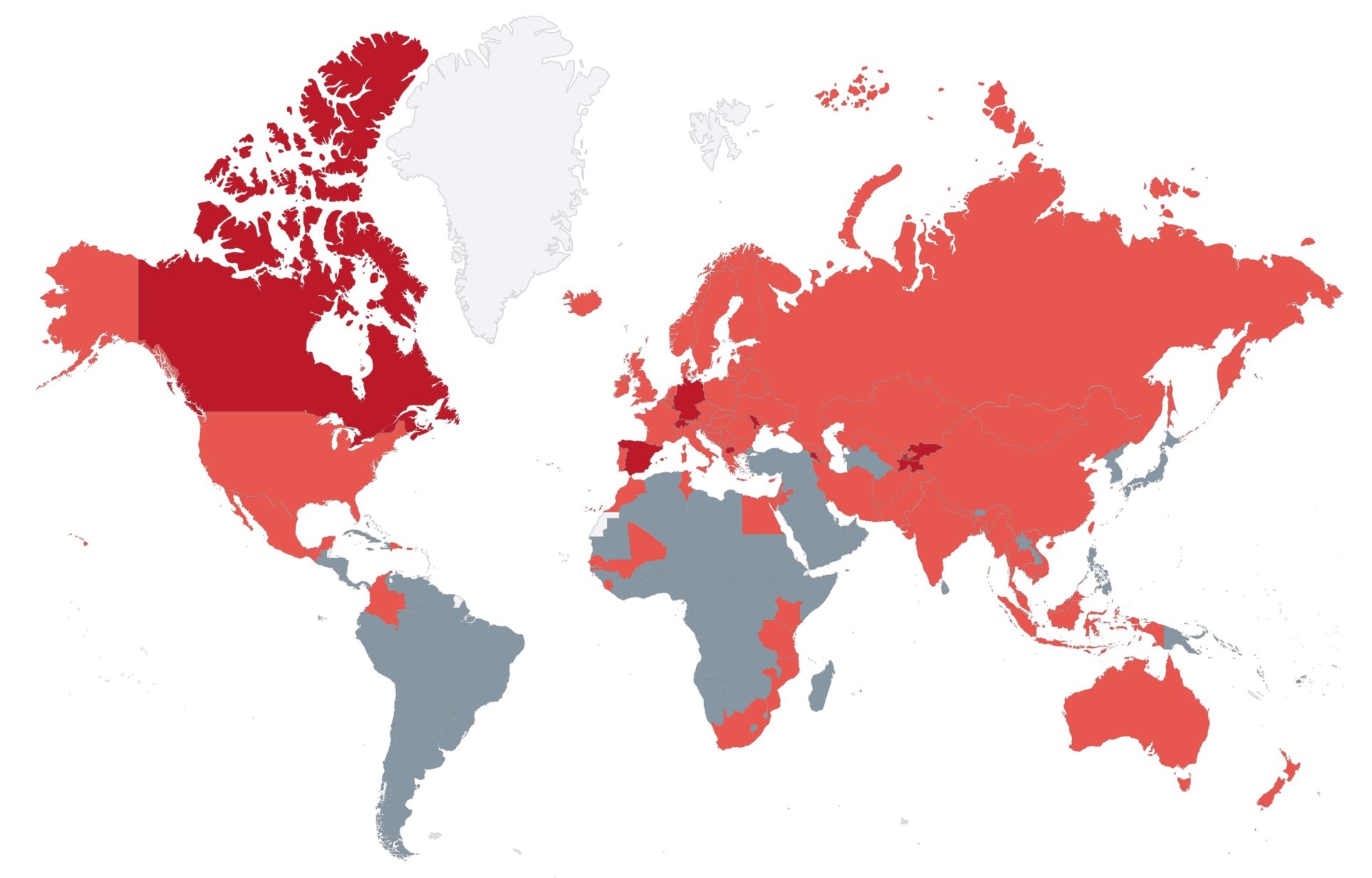
Harm Reduction International, a leading NGO dedicated to reducing the negative health, social and legal impacts of drug use and drug policy, just published their annual The Global State of Harm Reduction biennial report. First published in 2008, it involves a coordinated effort across practitioners, academics, advocates and activists to map global data and responses to drug-related harms. The data presented here has been gathered over the course of 2019 from publicly available sources and in cooperation with our partners around the world.

It is the only report to provide an independent analysis of the state of harm reduction in the world and has become the go-to source on global harm reduction developments for researchers and advocates in our sector and beyond.

The Report indicated that:

  • Since 2018, the total number of countries implementing needle and syringe programmes (NSP) has increased by just one, from 86 to 87.
  • The re-introduction of NSPs in Bulgaria and the first NSP opening in Sierra Leone have been countered by the closure of services in Uganda.
  • No new countries have begun implementing opioid substitution therapy (OST) programmes since 2018.

We extracted the data on the situation in countries of South East Europe:

To get full information from the report, follow this link>>>

Should you find any inaccuracies, please contact Harm Reduction International at office@hri.global

EU Drug Markets Report 2019

Drug trafficking is a highly profitable commercial activity and remains a core business for organised crime groups across Europe today. Understanding the reality of the European drug market requires a holistic approach, following the supply chain from production and trafficking to distribution and sales.

Taking such an approach, two EU agencies – the EMCDDA and Europol – have joined forces to provide their third state-of-the-art overview of the European illicit drug market in the form of the EU Drug Markets Report 2019.

The analysis presented in this report spans numerous topics such as the links between drugs and other crimes, the licit economy and society more generally as well as the processes and players involved in the trade, from production and trafficking to distribution. Taking an evidence-based approach, the report reviews the markets for heroin, cocaine, cannabis, amphetamine, methamphetamine, MDMA and new psychoactive substances. It also provides action points to inform policy development at EU and national level. This publication is an essential reference for law enforcement professionals, policymakers, the academic community and indeed for anyone seeking up-to-date information and analysis on drug markets in Europe.

The latest data show that overall drug availability within Europe remains ‘very high’ and that consumers have access to a wide variety of high-purity and high-potency products at steady, or falling, prices. An important cross-cutting theme in the report is the environmental impact of drug production, including deforestation and the dumping of chemical waste, which can result in ecological damage, safety risks and high clean-up costs.

The report highlights the increasing importance of Europe, both as a target and drug-producing region, and shows how the violence and corruption, long seen in traditional drug-producing countries, are now increasingly evident within the EU. Among the wide-ranging consequences of the drug market presented in the analysis are its negative impacts on society (e.g. gang violence, drug-related homicide) and the strain on public institutions and governance. The drug market’s links to wider criminal activity (e.g. human trafficking, terrorism) are also explored, along with its negative repercussions on the legal economy (e.g. how money laundering associated with the drug trade undermines legitimate businesses).

To read full report, follow this link>>>

A short presentation of the main highlights from the EU Drug Markets Report 2019, targeting policy and practice is available in a separate document available here>>>


Our initiative presented at the Global Fund Board meeting

The Developing Country NGO Delegation at the Global Fund published a statement with the 42nd Board Meeting highlights, including 8 important matters they pushed for at the meeting, with ways that civil society can move them forward. The statement is available following this link>>>

The initiative of the three regional networks: Correlation – European Harm Reduction Network, Eurasian Harm reduction Network and Drug Policy Network South East Europe to respond to the critical situation concerning the sustainability of harm reduction services in Albania, Bosnia and Herzegovina, Bulgaria and Romania was among the issues that the Delegation raised at the Global Fund Board meeting. It is mentioned in the point 4 of the statement:

Addressing civil society concerns: The Developing Country NGO brought to the Board and bilateral meetings concerns raised by civil society organisations including those by nearly 100 NGOs about the ending of multi-country grants in West Africa; cases of the failed transitions and interruption of services for key populations, including the lack of funding for harm reduction programs in Albania, Bosnia and Herzegovina , Romania and Bulgaria; and exploring next steps to ensure access to health services, treatment and care in Venezuela.

We hope that the Global Fund will make some concrete steps in helping us find a quick response to the urgent needs and building a sustainable solution in these countries.


European Hepatitis C Community Summit

The 3rd European Hepatitis C Community Summit was held in Marseille, on 25 and 26 November 2019. The aim of the Summit was to bring together researcher, health and community workers, medical staff and HCV patients and advocates to discuss elimination of the disease and role of harm reduction and community services. The event was organised by Correlation – European Harm Reduction Network, in cooperation with the European Union funded Eurosider project.

The programme contained plenary and parallel sessions and focused on priorities for community involvement and advocacy targets for after the event.

A variety of examples of good practice was presented during parallel sessions on: Models of good practice, HCV in prison, Peer Involvement works – we just need to implement it, Capacity building, Access to services, ODBuster – Digitally Networking the Response to Opioid Overdose Emergencies, HCV prevention for (un) documented migrants and Building Capacity to support People who use drugs. Probably the most interesting one was on HCV in prison.

Several representatives of DPNSEE member organisations participated, including Aksion Plus, Margina, Proi, Prometheus, Juventas, HOPS, Positive Voice, ARAS and Alliance of Non Governmental Organisations for Drugs and Addictions in Slovenia. The DPNSEE Board member Marios Atzemis was member of the planning team of the Summit.

The French Embassy in Belgrade provided support for two representatives from Serbia. One was from the Institute for Public Health while the second was DPNSEE Executive Director Milutin Milošević.

At the Summit, a statement about the negative effects of criminalisation on health and well being of people who use drugs entitled The decriminalisation of drug use and ensuring national funding of key services will reduce death, disease and marginalisation of people who use drugs was launched – without any opportunity to discuss it.

New issues for monitoring

Every year in autumn, The European Monitoring Centre for Drugs and Drug Addiction (EMCDDA) organises Reitox meeting – the European information network on drugs and drug addiction. The 8th Extended Reitox network meeting was held on 12 November in the EMCDDA premises in Lisbon, Portugal. It brought together representatives from circa 50 countries, including: the Heads of the 30 Reitox national focal points from the 28 EU Member States, Norway and Turkey; representatives from the 6 Western Balkan countries covered by the European Instrument for Pre-Accession Technical assistance project (IPA7) and representatives from 15 European Neighbouring Policy area countries.

This year’s meeting will be dedicated to the topic ‘New issues for monitoring’. The agenda included issues like Drug policy debates: how routine monitoring data used?, Introduction on new proposal of the UNODC Annual Reports Questionnaire (ARQ) and Cannabis: latest developments.

During the session on Prevention of infectious diseases, DPNSEE Executive Director Milutin Milošević presented Situation in the Western Balkan countries. Besides presenting the Network and briefly describing the type of data that are available to us, a detailed view on the situation in the Western Balkan countries was given including prevalence of HIV, HCV, HBV among people who inject drugs, provision of harm reduction services and access to treatment, barriers and challenges and relevant policies in the region.
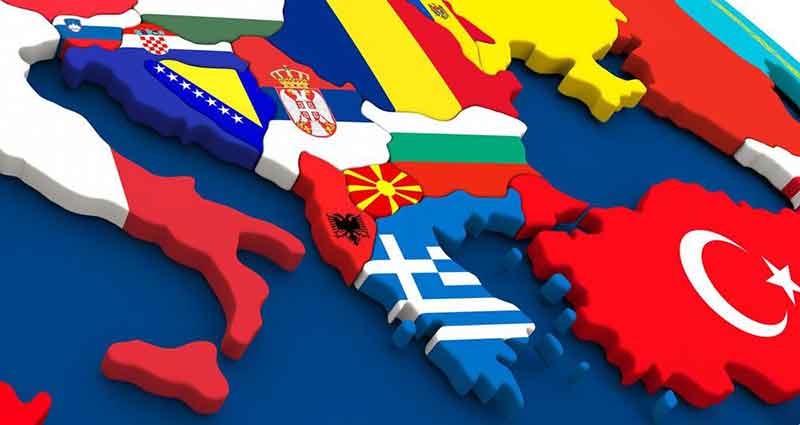
Participation in the Reitox meeting was an excellent opportunity to present the potential of the Network for partnership and discuss modalities for further cooperation with EMCDDA and national drug agencies

Emergency situation concerning the sustainability of harm reduction services in Albania, Bosnia and Herzegovina, Bulgaria and Romania

The three regional networks: Correlation – European Harm Reduction Network, Eurasian Harm reduction Network and Drug Policy Network South East Europe were informed by our members organisations about the situation with sustainability of  harm reduction services in Bosnia Herzegovina which is characterised by lack of strategy, policy and funding caused by the delay in establishing national Government for more than a year after the elections, withdrawal of international donors and misunderstandings and low level of cooperation between the governmental institutions and civil society, but also inside the civil society sector providing harm reduction services. The national Strategy for prevention and control of HIV and AIDS has ended (2016) and the Transition plan, developed by the Country Coordinating Mechanism during implementation of The Global Fund funded programme has not been implemented. As a result, the harm reduction services are closed in Sarajevo, Mostar, Bihać and Banja Luka and exist only in Zenica and Tuzla relaying on voluntary work of unpaid Staff and with all supplies already on minimum.

The three Networks expressed our deep concern about the situation and willingness to give contribution to finding solution and ensuring both quick response to the urgent needs and building a sustainable solution. We are ready to provide non-partisan support in identification and advocacy for the best possible approaches to urgently start provision of services to the populations of people who use drugs, sex workers and prisoners and other affected populations and to properly advocate for the sustainability of governmental funding.

The urgent action we are taking is to explore opportunities for emergency bridging funding to ensure survival of existing harm reduction services in the country. The situation is alarming and requires direct action and mobilisation of the international community. The three network have limited resources, so we are now contacting some of our partners and donors, explaining the situation and calling for immediate and urgent support. This could include short-term funding and technical support to ensure a minimum of harm reduction services. So far, we have a promise from the Open Society Foundations for a small grant which would cover basic need for the month of November.

We plan to develop and implement a comprehensive process to achieve sustainable long-term solutions. The activities for long-term solutions target local governments and policy-makers with the aim to ensure sustainable funding for harm reduction services. We already offered our expertise and support in this process, In addition, we would like to engage and involve other relevant stakeholders, such as donors and funders.

As the first concrete long term action we decide to send an appeal to the Global Fund to review their eligibility model of supporting middle income countries, besides Bosnia Herzegovina also Albania, Bulgaria and Romania.

In advance of the upcoming 42nd meeting of the Board of the Global Fund to Fight AIDS, Tuberculosis and Malaria (the Global Fund) as well as the Global Fund Regional Meeting for Eastern Europe and Central Asia to take place in Istanbul on 26-27 November, 2019, we – civil society and community organisations and networks working in the Eastern Europe and Central Asia (EECA) region for the benefit of key affected populations, including people who use drugs – would like to express our profound concern as to the current lack of sustainable harm reduction services in the South East European countries of Albania, Bosnia and Herzegovina, Bulgaria and Romania, respectively. Taking into consideration the successful results of the recent Sixth Replenishment Conference, we would like to invite the Global Fund to safeguard a part of the catalytic investment funds available for the 2020-2022, including multi-country grants, matching funds and strategic initiatives, in order to sustain life-saving services for people who inject drugs and other vulnerable groups and to incentivise domestic investment in harm reduction in each of these post-transition countries.

41 civil society organisations from Eastern Europe and Central Asia supported the letter. We hope that the Global Fund shall understand the situation and support our proposal.

The letter to the Global Fund is available following this link>>>