
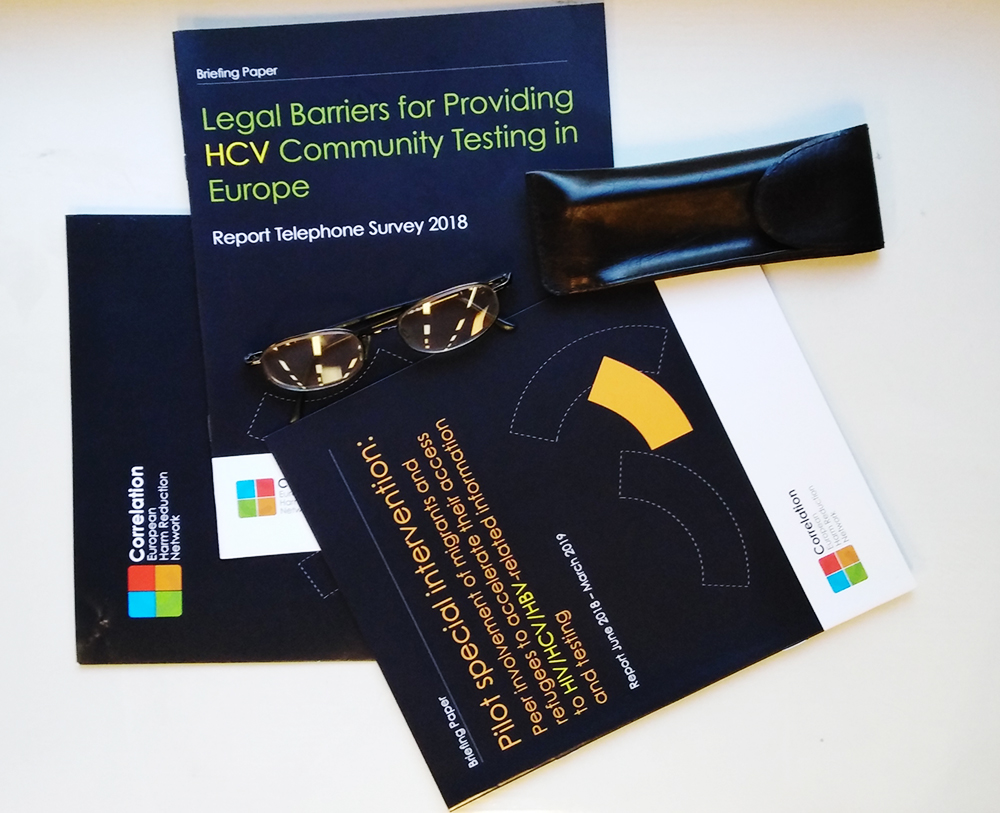
The Correlation – European Harm Reduction Network held its Focal point and expert group meeting from 2 to 4 October 2019 in Helsinki. The meeting gathered 60 participants from 31 countries and territories. Among them, DPNSEE network members are focal points for Albania, Bosnia Herzegovina, Bulgaria (not present at the meeting), Greece, Montenegro, North Macedonia, Romania and Serbia.
The agenda included a wide range of interesting issues including New projects on European level, Results of the first round of monitoring harm reduction, Challenges in Harm Reduction and also Correlation state of affairs and Methadone shortage in Romania. Complementing this agenda, participants were given the opportunity to join a series of workshops on Advocacy, Peer Involvement and Intervention Planning, Monitoring and Evaluation. Building upon this pool of expertise, the event offered the possibility to present developments in the different EU countries in regard to drug policy and harm reduction and to disseminate relevant work and activities.
Since the launch of the monitoring tool for harm reduction organizations, Correlation Focal Points have been working on collecting the required data and information. The tool had more than 100 questions and 35 countries from Europe participated. Some results are strange. For instance, the only 3 countries in Europe which expressed civil society’s good cooperation with governments were Albania, Bosnia Herzegovina and Romania! During the meeting, participants shared their experiences and provided feedback on the tool and the process.

Ms Dagmar Hedrich, Head of the Health consequences and responses sector, Lead scientist for harm reduction at EMCDDA, presented the data collected by the agency. DPNSEE Vice President and Executive Director asked what can we do with outdated data coming from some EMCDDA focal points and how could they include data from candidate and non-EU countries? The reply we got was that EMCDDA’s institutional obligation is to report on 28 EU countries and 2 who pay for their services (Norway and Turkey) and that budget cuts and no funds prevent them to cover more. An interesting view Ms Hedrich proposed is that the civil society organisations can perform social autopsy of overdose deaths of people who were using their services. The implementation researches are one of important potentials of CSOs – qualitative information they can provide. A good model they use is that EMCDDA prepares short reports with key messages, tailored for policy makers, followed by webpages or web based portals which give a full information.
The presentation from the European Centre for Disease Prevention and Control (ECDC) was focused on monitoring in general and on Hepatitis in particular. It emphasized that there is a big problem with low number of those diagnosed for HEP, huge numbers in prisons and lack of accurate data.
On Friday 4, the seminar Wellbeing economy – A way to sustainability in the HIV and AIDS response? was held as an official side event during Finland’s Presidency of the Council of the EU in cooperation with HIV Finland.


 On October 2 – 3, the coordination meeting of the multi-country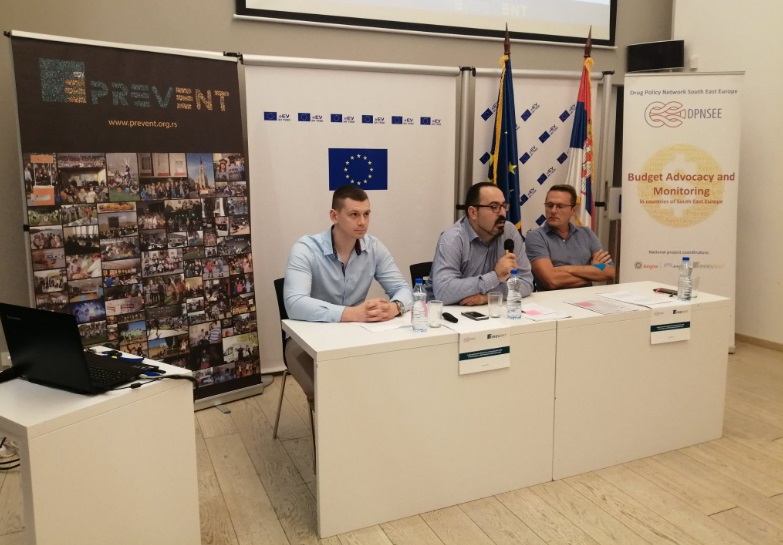
 The budget analysis in Serbia was completed and presented on an event organised jointly by Prevent and DPNSEE in the EU Info Centre in Belgrade on 1 October 2019. The analysis was prepared in scope of the project
  The Analysis of the budgets in Serbia is available
  Besides the analysis of the budget of the Ministry of Health which was produced, DPNSEE has prepared and presented an analysis of the public calls for prevention of the Ministry of Health. This analysis is available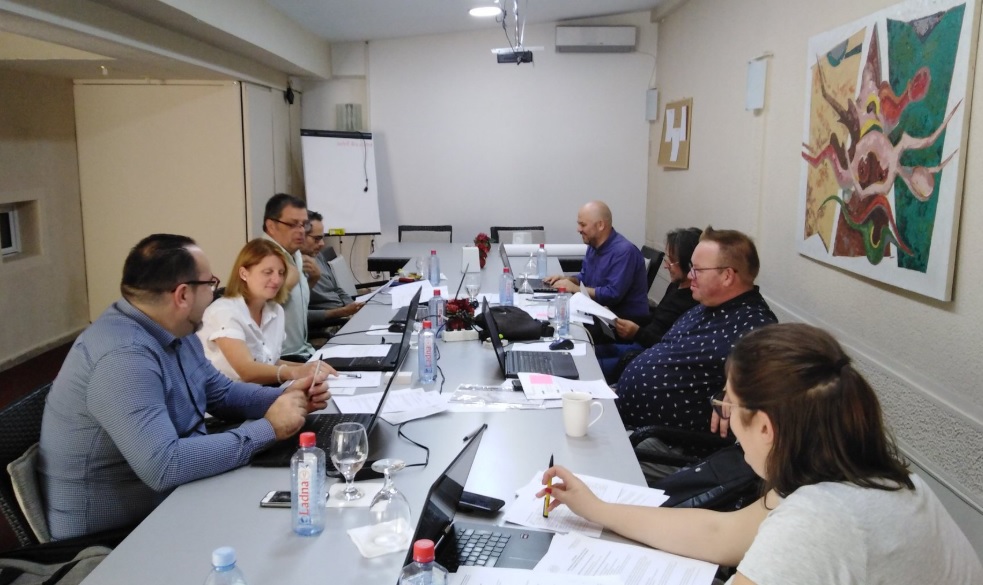
 Significant part of the meeting was dedicated to developing DPNSEE strategic plan. Using the results of the
 The Analysis of the budgets in Bosnia and Herzegovina is available
 On 23 September 2019, world leaders adopted a high-level United Nations Political Declaration on universal health coverage (UHC) at the United Nations General Assembly. In adopting the declaration, U.N. Member States have committed to advance towards UHC by investing in four major areas around primary health care.
 The
The  To read the Technical Brief,
 The report accompanying the appropriations bill also specified that the Senate Committee anticipates maintaining this appropriation level in fiscal years 2021 and 2022, coinciding with the Global Fund’s Sixth Replenishment cycle:



 The sixth edition of the 6:0 International People’s Tournament for People Against Addictions was held during the weekend at the Boyana National Football Base of the



 To mark the first Sex Worker Pride day, our colleagues from the