Dear friends and colleagues,
It has been a pleasure for us to work hand in hand with you in 2025.
We thank you for the trust and your engagement and look forward to a prosperous 2026.

Dear friends and colleagues,
It has been a pleasure for us to work hand in hand with you in 2025.
We thank you for the trust and your engagement and look forward to a prosperous 2026.
The Guide for developing gender-sensitive harm reduction programmes, prepared by our member organisations HOPS from North Macedonia, offers practical tools for organizations working with young people, women, LGBTI individuals, Roma communities, sex workers, and other vulnerable groups.
The document outlines how to identify barriers, how to establish safe and inclusive spaces, how to collect gender-disaggregated data, and how to design services that genuinely meet the diverse needs of service users.
The Guide is concise, practical, and focused on real systemic change – a shift from “what is the problem” to “how do we solve it.”
To access the Guide, follow this link>>>.
Civil society organisations from the Western Balkans have published a health- and human rights-based analysis of the EU Drugs Strategy 2026 – 2030, examining its relevance and implications for South East Europe, including both EU Member States and EU candidate countries.
The analysis is developed from the perspective of organisations working on public health, harm reduction, human rights, and social inclusion, and aims to contribute constructively to policy dialogue at national, regional, and EU levels. It highlights the importance of treating drug policy primarily as a health and social issue, rather than a punitive or security-led one.
Key messages from the analysis
The document underlines that the EU Drugs Strategy 2026 – 2030 provides an important opportunity to strengthen evidence-based, humane, and rights-centred drug policies across South East Europe. Civil society organisations emphasise in particular:
Relevance for South East Europe
The analysis stresses that drug-related challenges are cross-border and shared across South East Europe, making regional cooperation essential. The EU Drugs Strategy offers a common framework that can help reduce policy fragmentation, strengthen public health systems, and promote closer cooperation between EU Member States and candidate countries.
For EU candidate countries in the Western Balkans, the Strategy also supports alignment with EU standards in the areas of public health, human rights, and governance, contributing to accession-related reforms. For EU Member States in South East Europe, it reinforces health-centred approaches, supports more effective use of resources, and helps reduce pressure on criminal justice systems.
A call for balanced implementation
Civil society organisations underline that the impact of the EU Drugs Strategy will depend on its implementation. The analysis calls for a comprehensive and balanced Action Plan that translates strategic commitments into concrete measures, with adequate funding, clear health-focused indicators, and strong human rights safeguards.
The analysis is intended as a contribution to ongoing discussions with policymakers, EU institutions, and regional partners, and as a tool for advocacy, dialogue, and cooperation in building more inclusive, healthier, and safer societies across South East Europe.
The analysis is available here>>>.
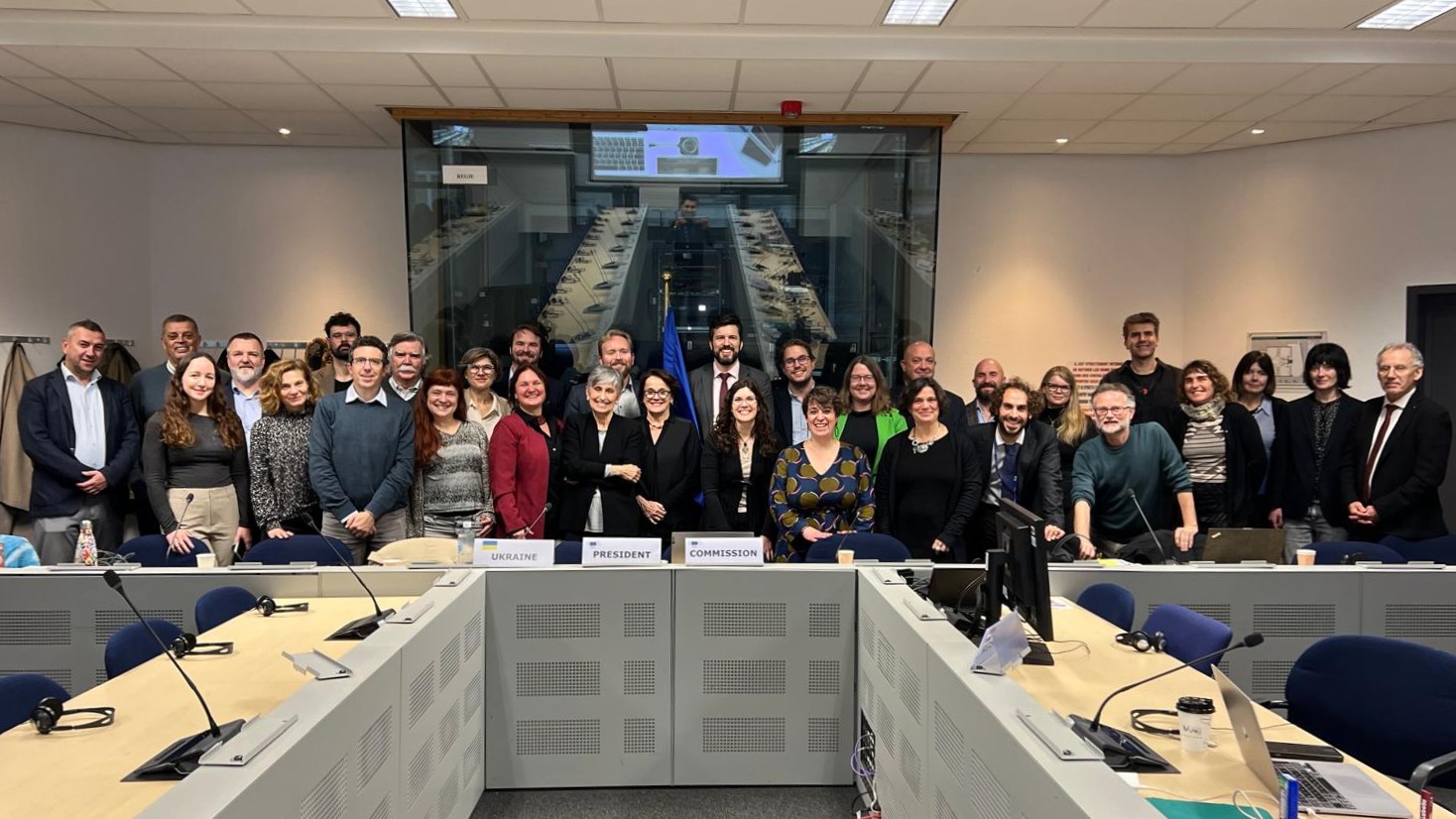
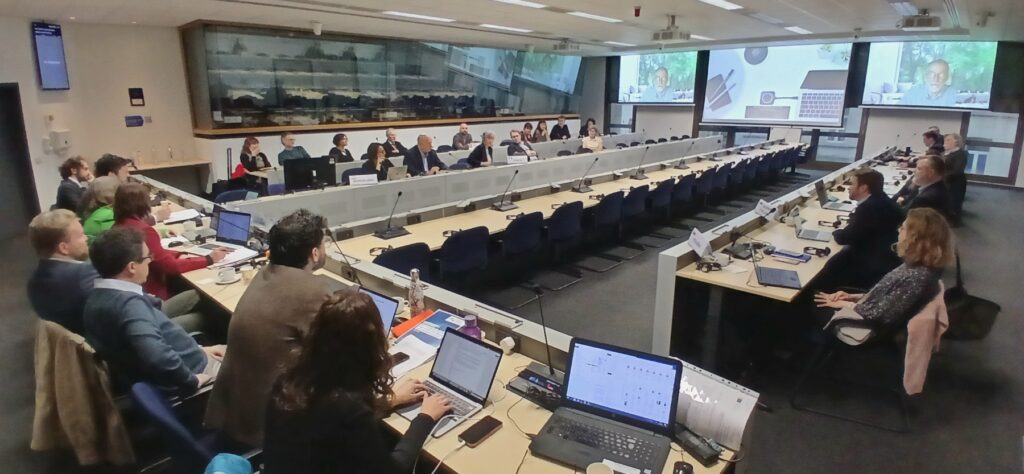
DPNSEE participated in the EU Civil Society Forum on Drugs (CSFD) meeting held in Brussels on 8 and 9 December. Our Executive Director Milutin Milošević, who is a member of the CSFD Core Group, joined colleagues working on drug policy from across Europe for two days of exchanges with the European Commission (DG HOME, DG SANTE, DG JUST, DG HERA and DG ENEST).
The key topic of the agenda was the new EU Drugs Strategy, presented only 4 days before the meeting. The Forum contributed to the strategy on several occassions during the year. 40% of our recommendations were accepted, including the one on basing the Strategy on the European Union values which was the DPNSEE proposal.
CSFD members commented that even though the Strategy is a solid document, concerns remain that it remains unbalanced, with a strong focus on supply reduction, security, and crime prevention, which risks sidelining health- and human-rights-based approaches. We also raised our concerns about the Strategy placing harm reduction under the heading of preparedness, health, security, harm, international cooperation, and EU coordination and partnerships, rather than recognising it as a core public health intervention.
DPNSEE signed a joint letter coordinated by the International Drug Policy Consortium (IDPC), published on 10 December 2025, together with 83 other civil society organisations. The statement urges EU Member States to:
For DPNSEE, a very important session was the one on Co-Operation in the Field of Drugs with the Candidate Countries and Challenges in EU Accession Process. DG ENEST presented their work, which, when we talk about Western Balkans, was exclusively on drug supply reduction. DPNSEE presented positions of the CSFD, indicating again the nees for balanced approach and the need to re-define the accession acquis in the area of drugs.
Several other important issues were at the agenda:
On the second day, CSFD members met with the Horizontal Working Party on Drugs, representing all EU Member States. Discussions with Member States and the European Commission included the EU Drugs Strategy, drug services in prisons, shrinking civic space in Europe, upcoming dialogues with third countries, and international drug policy. The Danish Presidency and the incoming Cypriot Presidency also delivered specific inputs.
The meeting was important for continuing civil society engagement and contributing our perspectives on health-, harm reduction-, and human-rights-based approaches in EU drug policy discussions.
CSFD strongly indicated that:
On 4 December 2025 the European Commission presented a new EU Drugs Strategy and an Action Plan against drug trafficking. The Commission states that the two documents set out a comprehensive EU response to the security, health, social and environmental challenges linked to the trafficking and use of illicit drugs.
The EU Drugs Strategy takes a multi-dimensional and whole-of-society approach, focused on 5 key areas:
The EU Drugs Strategy 2026–2030 represents a progressive framework grounded in health, human rights, and evidence. However, the operational focus of the EU Action Plan against Drug Trafficking risks overshadowing the broader, balanced objectives of the Strategy.
The position of the civil society organisations working in drug policy is that in order to fully realise the Strategy’s objectives, the EU should develop a comprehensive Action Plan that:
A balanced Action Plan would ensure that drug policy remains people-centred, equitable, and effective, addressing both the public health and security dimensions without privileging one at the expense of the other.
To access the new EU Drugs Strategy follow this link>>>.
The EU Action Plan against drug trafficking is available here>>>.
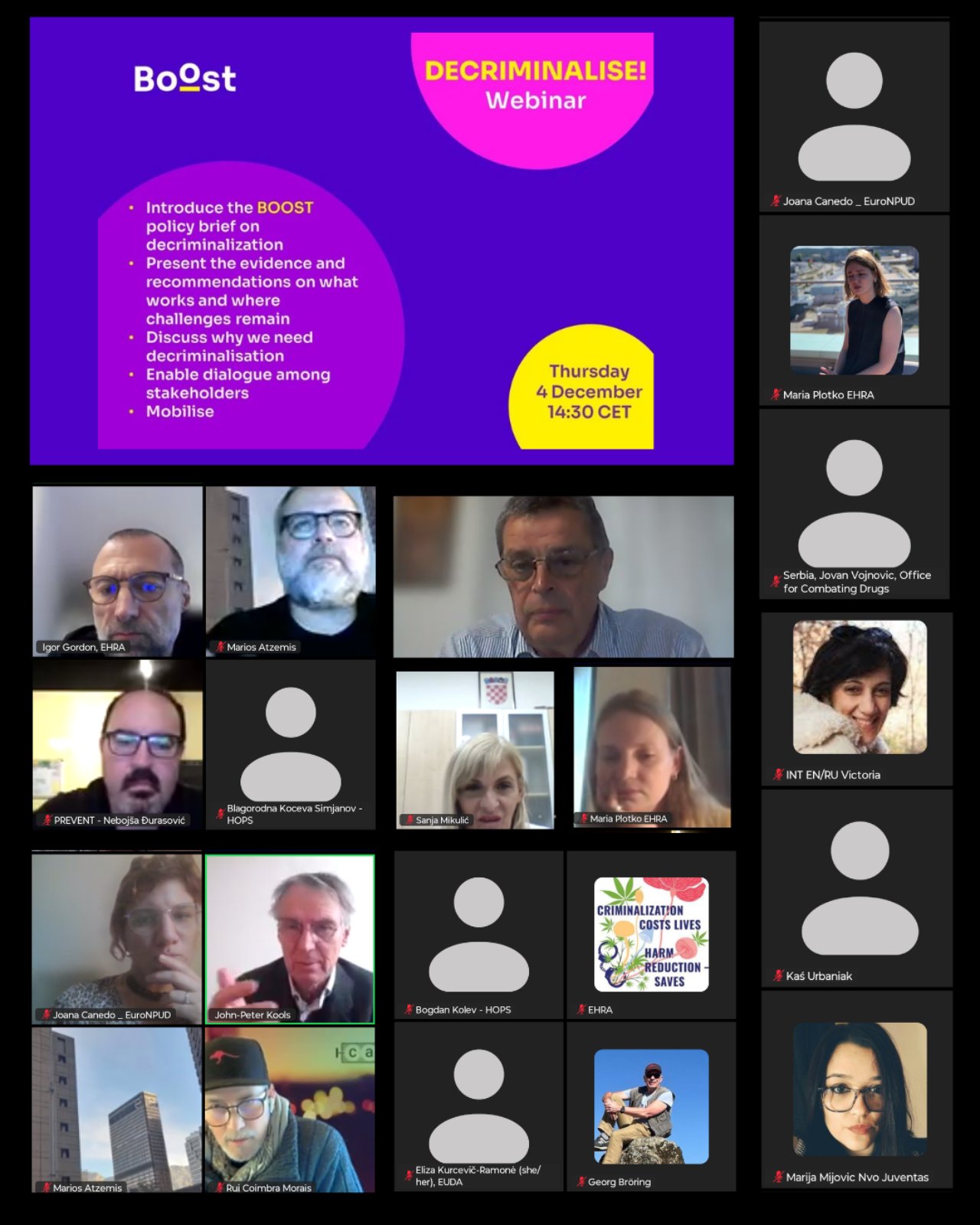
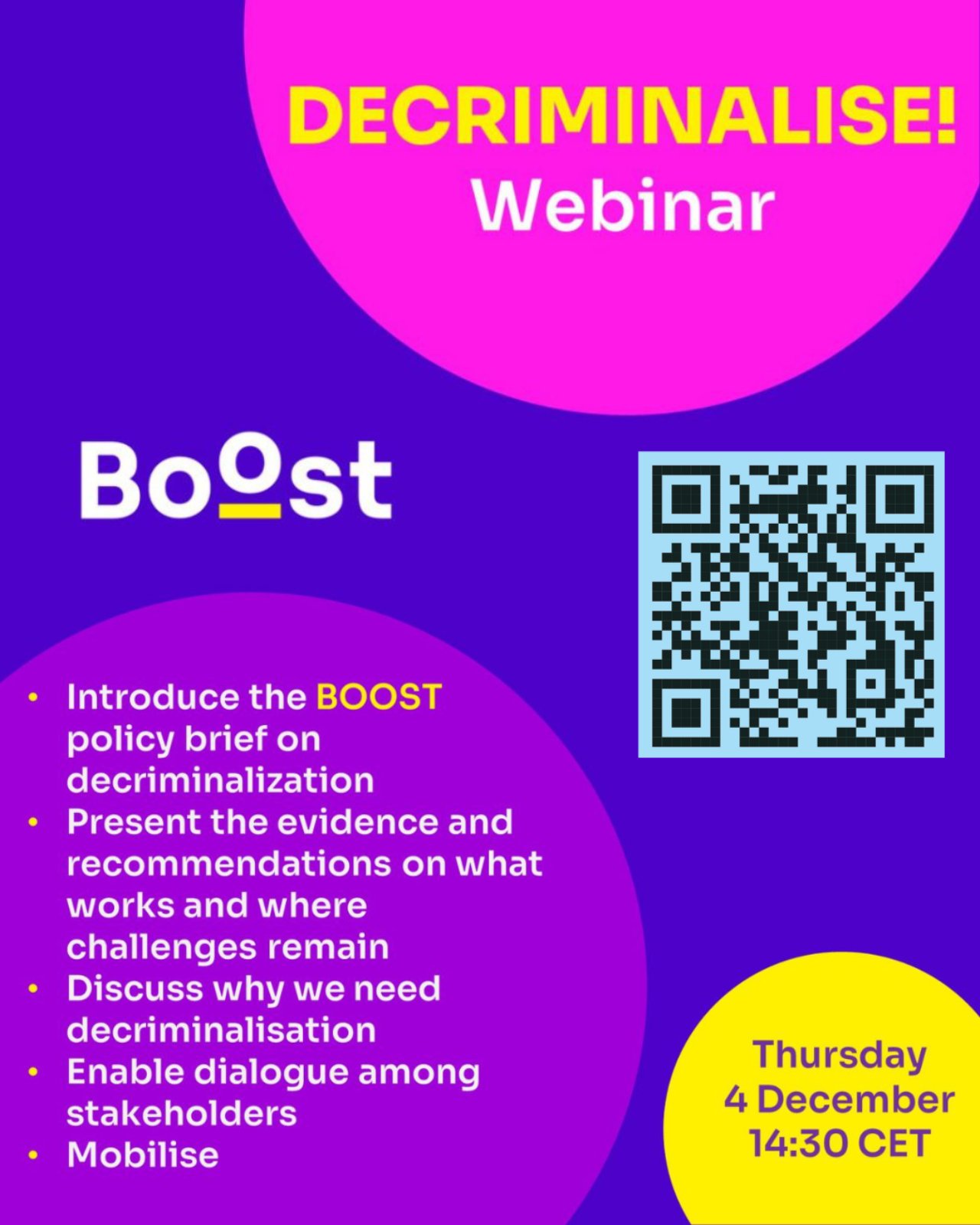
Together with our project partners C-EHRN, EHRA, EuroNPUD, the Drug Policy Network South East Europe hosted a Webinar on Decriminalisation of drug use and possession for personal use on 4 December 2025. The aim of the webinar was to present and discuss a policy brief developped in scope of the BOOST project.
The webinar was held in English and Russian. 32 participants from various European countries participated – experts, activists, and policymakers. They demonstrated that the true threat to European safety is not the substances themselves, but a punitive system that costs taxpayers billions, fuels organized crime, and destroys lives.
Marios Atzemis, DPNSEE Board member, presented the policy brief ondecriminalization, highlighting its importance for health, dignity, and human rights, and shared personal experiences on the impact of criminalization.
The fiscal and moral bankruptcy of criminalization
The conversation at the webinar began not with ideology, but with hard accounting. For years, governments in Central and Eastern Europe and Central Asia (CEECA) have claimed they “cannot afford” comprehensive harm reduction services. New data presented by EHRA Executive Director Ganna Dovbakh exposed this as a fiscal lie.
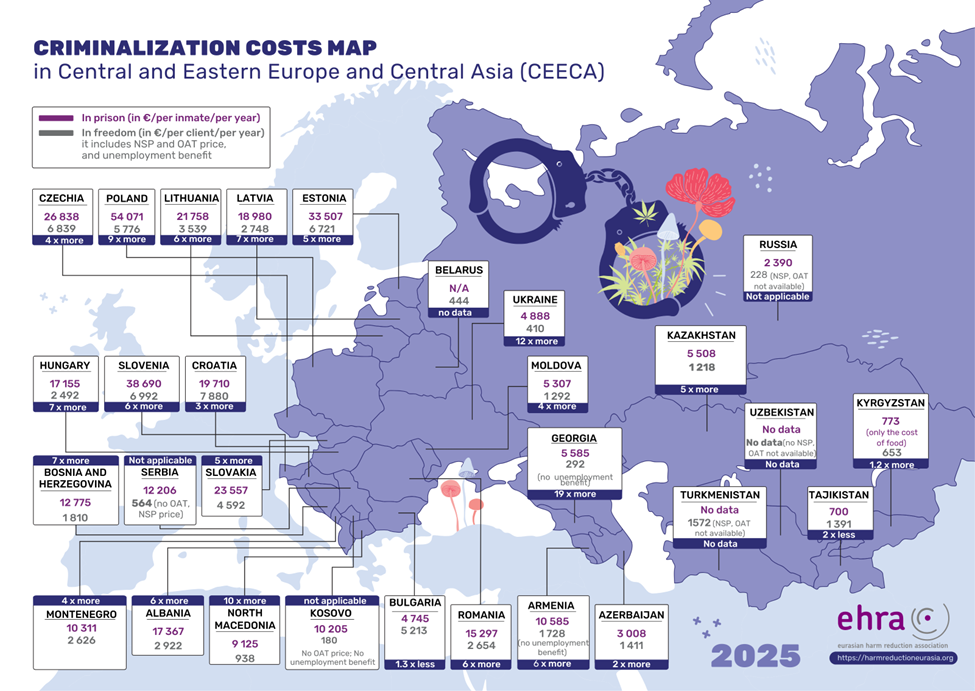
Presenting an updated 2025 comparative analysis of criminalization costs, Dovbakh revealed a staggering gap: in many CEECA countries, imprisoning one person for a drug offense costs the state up to 19 times more than providing that same person with a full package of health and social services (including Opioid Agonist Treatment and harm reduction) in the community.
A full regional comparison and country profiles are available following this link>>>.
 But the cost is not merely financial; it is human. To expose this reality, Maria Plotko (EHRA) unveiled “Drug Policy and Economic, Social and Cultural Rights in the CEECA Region” a vital new resource developed by EHRA in partnership with the Helsinki Foundation for Human Rights (HFHR).
Designed to inform the upcoming UN CESCR General Comment, this report acts as a roadmap for civil society, documenting how punitive policies violate rights far beyond the traditional scope of health. The findings-based on consultations across 19 countries reveal a system of “invisible punishment”:
The Netherlands: Fixing the “Back Door” Paradox
John-Peter Kools of the Trimbos Institute provided a critical reality check on the famous “Dutch Model.” He clarified that the Netherlands does not have full de jure decriminalisation, but rather a 50-year-old policy of “tolerance.”
While this separation of markets (coffee shops) successfully decriminalised consumption, it left a dangerous legal gap: the supply chain remained illegal (the “back door” problem). This created a paradox where sale is tolerated, but production is criminal, empowering organized crime.
To solve this, Kools highlighted the Netherlands’ bold new step: The Controlled Cannabis Supply Chain Experiment. Currently rolling out in 10 cities, this pilot legalises the entire chain from production to sale. “Decriminalisation of use is not enough,” Kools noted. “Without regulating the supply, you leave the market to criminal networks.” He emphasized that local innovations – cities leading the way – are often the precursors to necessary national reform.
Croatia’s Drug Decriminalization Experience
Sanja Mikulić, from the Institute for Public Health, presented Croatia’s experience with drug decriminalization, noting that possession forpersonal use is treated as a misdemeanor punishable by fine or treatment, with a significant reduction in criminal cases and less pressure on the justice system. She highlighted that th eapproach has led to more flexible procedures, reduced stigma, and easier rehabilitation, while alsosaving budget funds. The presentation concluded with positive effects of decriminalization, including reduced cases in criminal courts and more focus on serious drug-related crimes.
The warning from Portugal: why decriminalization is no longer enough
For two decades, Portugal has been the global poster child for reform. However, Joana Canêdo, a researcher and activist from Lisbon, delivered a critical warning: stagnation is dangerous.
While the 2001 decriminalization model famously reduced HIV rates and overdoses, Canêdo described the current system as a “prohibitionist variant.” The “Dissuasion Commissions,” once hailed as innovative, have become bureaucratic bottlenecks. Approximately 90% of those referred to them are non-problematic users (mostly of cannabis) who do not need treatment yet are subjected to a coercive administrative process.
Crucially, because the market remains illegal and unregulated, the system is struggling to adapt to new trends like crack cocaine. With recent political shifts in Portugal, aggressive policing and stop-and-search tactics have returned. The lesson for the rest of Europe is clear: Decriminalization without legal regulation and continuous investment in services will eventually hit a wall.
The pragmatic revolution: Czechia
However, the most significant innovation is occurring in Czechia. Dr. Jana Michailidu detailed the country’s revolutionary approach to “Psychomodulatory Substances” (such as Kratom and semi-synthetic cannabinoids).
Faced with a surge in new psychoactive substances, Czech politicians initially tried bans. When those bans failed immediately with new chemical analogues appearing weeks later, the government pivoted. They passed legislation creating a strict regulatory market. These substances are not banned, but neither are they unregulated. They are sold only to adults in licensed stores, with strict controls on dosage and packaging.
“We managed to convince conservative politicians that regulation protects children better than bans” Dr. Michailidu explained. By taking the market out of the shadows, the state can control access – something prohibition has never achieved.
In her closing remarks, Ganna Dovbakh dismantled the metric favored by the new EU Strategy: the “kilogram seized.” She termed this the “Kilogram Fallacy.” Seizures are merely an indicator of police activity, not policy success. “You stop one route, ten more appear. You ban one substance; laboratories produce ten new ones. We are fighting a fire with a leaking hose” she argued.
Policy Webinar under the BOOST Project
4 December 2025 | 14:30–16:00 CET
Registration link | https://us02web.zoom.us/j/89055986872
Languages: English and Russian
Background and Rationale
Decriminalisation is defined as the removal of criminal sanctions for certain activities related to drug use and possession for personal use. Several actors in the field of drug policy have indicated that a punitive approach is counterproductive to achieving the health and welfare of humankind. There is no evidence that criminalisation of use, possession for personal use, and other related behaviours has positive impacts in terms of reducing both drug demand and supply.
Purpose and Objectives
Programme
| Time | Segment |
| 14:30 – 15:37 | Opening & overview – Milutin Milošević, DPNSEE Executive Director, Moderator |
| 14:38 – 14:45 | The BOOST project: General information and advocacy interventions – Igor Gordon, Program Team Lead, EHRA |
| 14:45 – 14:55 | The BOOST policy paper “Decriminalize! drug use and possession for personal use” – Marios Atzemis, DPNSEE Board member |
| 14:55 – 14:05 | Presentation of the new documents related to decriminalisation and human rights violations – Ganna Dovbakh, Executive Director and Maria Plotko, Senior Program Officer, EHRA
· Updated Criminalisation Cost country profiles and regional comparison for CEECA · Regional CEECA report on CESCR rights violations of people who use drugs |
| 15:05 – 15:15 | Experts from countries implementing decriminalisation – John-Peter Kools, Trimbos institute, The Netherlands |
| 15:15 – 15:22 | Experts from countries implementing decriminalisation – Sanja Mikulić, Institute for Public Health, Croatia |
| 15:23 – 15:30 | Experts from countries implementing decriminalisation – Joana Canêdo, Portugal |
| 15:30 – 15:38 | Experts from countries implementing decriminalisation – Dr. Jana Michailidu, Czechia |
| 15:40 – 15:55 | Questions and answers |
| 15:55 – 16:00 | Closing – Ganna Dovbakh, EHRA Executive Director and EU Civil Society Forum on Drugs Chairperson |
On 25 November 2025, the Eurasian Harm Reduction Association (EHRA), together with Correlation – European Harm Reduction Network (C-EHRN) and the Drug Policy Network South East Europe (DPNSEE), hosted a webinar to launch the new regional report “Beyond Numbers: Harm Reduction across South-Eastern Europe” (prepared by Irena Molnar et al) within the framework of the EU-funded BOOST project. The discussion brought together regional experts, practitioners, and community voices to examine the current state of harm reduction across 11 countries in South-Eastern Europe, with a strong focus on the Western Balkans.
Why “Beyond Numbers”
Speakers highlighted that regional data remain uneven, fragmented, and often outdated, making evidence-informed planning and advocacy difficult. The report responds to this gap by combining available quantitative sources with qualitative insights from service providers, peers, and people with lived/living experience, translating “coverage” into the realities of access, continuity, and quality on the ground.
Key findings presented from the report
In her presentation, Irena Molnar outlined a new comparative framework developed for the report, assessing each country across four domains:
The findings reveal wide disparities in harm reduction system maturity across the region. While some countries maintain more comprehensive approaches, others face severe service gaps and closures—particularly after the withdrawal of external donor support, with shrinking coverage of needle and syringe programmes (NSP) and outreach in several settings. Across the region, services are frequently concentrated in capitals and larger cities, leaving rural areas and smaller communities with limited or no access. The report also underlines persistent challenges related to stigma and discrimination, weak institutional financing, and insufficient community involvement in policy design.
Country reflections: Slovenia, Bulgaria, North Macedonia
Country representatives echoed the report’s main messages and provided practical reflections:
EU and regional perspectives: future opportunities
On the panel, the European Union Drugs Agency (EUDA) representative recognised major disparities in harm reduction coverage across Europe, including persistent gaps in take-home naloxone availability in parts of the region. EUDA highlighted its role in strengthening evidence and systems through capacity building, training, and improved monitoring, and announced plans to start mapping harm reduction services in the Western Balkans to better understand gaps and inform future programming.
EHRA emphasised that strong language in strategies must be matched by implementation, and pointed to the EU enlargement process as a potential lever to push for sustainable harm reduction and broader health responses in candidate countries. The discussion also acknowledged the difficult broader context—shrinking civic space and shifting political priorities—while stressing the urgency of coordinated advocacy and community-led monitoring.
The webinar concluded with a shared message: harm reduction in South-Eastern Europe continues to survive largely through civil society resilience and community leadership, but sustainable progress requires political commitment, stable financing, and stronger integration of harm reduction into public health systems.
The report is published at the EHRA webpage here>>>.
The report launch event is available online
https://youtu.be/TbkH6KfqHfI
The European Commission adopted two important documents: the European Civil Society Strategy and the European Shield of Democracy. Together, both documents create a framework for stronger, more open and resilient European democracies and contribute to greater participation of citizens and civil society organizations in public processes.
The European Civil Society Strategy is aimed at strengthening the role, protection and long-term sustainability of civil society organizations. Key measures of the strategy include:
The European Democracy Shield establishes a set of measures to strengthen the resilience of democratic systems in the EU. Key measures include:
More about the strategy is available following this link>>>.
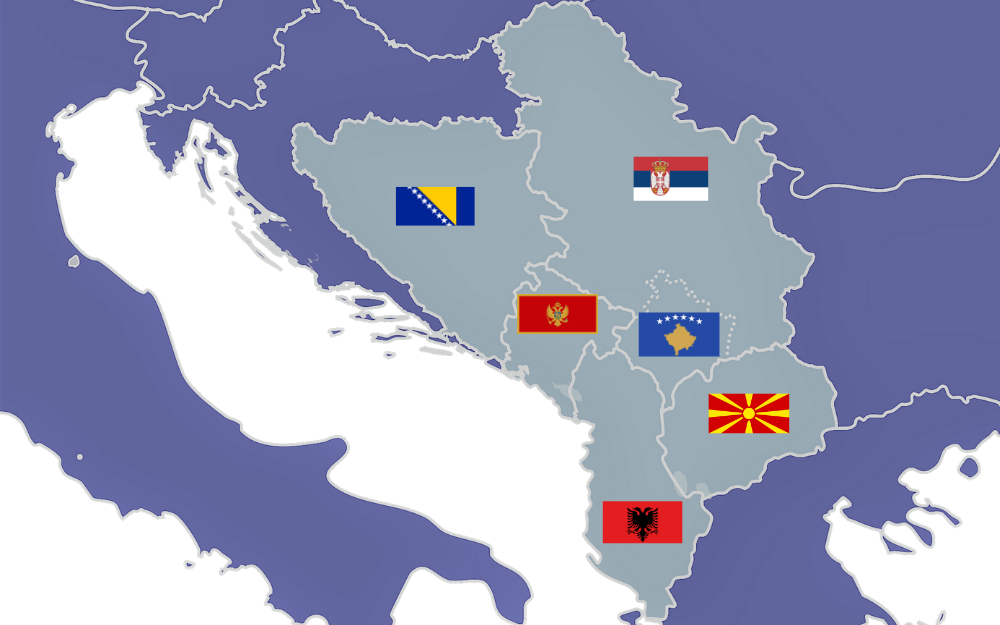
The Drug Policy Network South East Europe was formally registered at the Serbian Business Registers Agency on 15 October 2015. Over a decade, DPNSEE has expanded to include 26 member organisations from 11 countries in South East Europe, covering Albania, Bosnia and Herzegovina, Bulgaria, Croatia, North Macedonia, Greece, Kosovo*, Montenegro, Romania, Serbia and Slovenia. These members are key service providers and advocates working in prevention, harm reduction, treatment, rehabilitation and social reintegration.
Key Areas of Work
DPNSEE has established a sustained track record of facilitating government – civil society dialogues on drug policy, first convened in 2018 and repeated in 2020 and 2023 in Belgrade – creating a recognised regional platform for constructive exchange between policymakers and civil society actors. These events have strengthened mutual understanding and contributed to more inclusive policy processes.
The Network and its members are deeply involved in promoting harm reduction as a public health priority, including through regional research, policy analysis and advocacy. DPNSEE’s Resource Centre collects and shares a comprehensive repository of drug policy documents, including materials on harm reduction, criminal law, human rights, and service models across the SEE region.
DPNSEE also participates in UNODC-led projects supporting continuity of HIV prevention, treatment and harm reduction services among key populations – including people who use drugs and refugees from Ukraine, Russia and Belarus – with coordinated regional implementation alongside member organisations.
DPNSEE produces policy briefings, regional assessments and position papers (e.g., on decriminalisation and service gaps) and organises webinars, workshops and training to strengthen skills and knowledge among civil society actors. It collaborates with European networks such as the Correlation – European Harm Reduction Network (C-EHRN) on joint projects like BOOST, which supports advocacy and community-led efforts to improve harm reduction services.
The Network is a member of influential international bodies including the European Union’s expert group Civil Society Forum on Drugs, the International Drug Policy Consortium (IDPC) and the Vienna NGO Committee on Drugs, linking SEE civil society voices into global policy forums such as the UN Commission on Narcotic Drugs. DPNSEE is accredited by the United Nations Economic and Social Council (ECOSOC), which enables attenddance and engagement in key UN policy-making fora such as the UN General
Assembly, the UN Human Rights Council, and the UN Commission on Narcotic Drugs.
Notable Achievements (2015 – 2025)
Impact
Over the past decade, DPNSEE has played a crucial role in shifting drug policy debates in South East Europe towards approaches that prioritise health, human rights and community involvement. Through sustained networking, research, advocacy and multi-stakeholder dialogue, the Network has advanced inclusive governance, contributed to policy learning, and supported the strategic visibility and effectiveness of civil society in policy formulation and implementation across the region.