
In the last decade, an increasing number of donors are withdrawing their support for healthcare. This has been especially true for middle-income countries, where the growth of domestic resources was one of the triggers for donor funding reduction. The Global Fund to Fight AIDS, Tuberculosis and Malaria (the Global Fund) has termed this process as “transition”.
In 2018 the Open Society Foundations, through the Eurasian Harm Reduction Association (EHRA), initiated the project Budget Advocacy and Monitoring in countries of South East Europe. It provided funding to three transitioning countries in the Balkan region – Bosnia and Herzegovina, Montenegro, and Serbia – through the sub-regional network organization, Drug Policy Network South East Europe (DPNSEE), to support budget advocacy for harm reduction services. The local coordinating organisations are Margina, Juventas and Prevent.
The case study looks at the implementation of this project as one of the demonstrations of the SBF mechanism, with the objectives to:
- Document the pilot in 3 Balkan countries and to analyse the strengths and weaknesses of this approach and to develop suggestions for improvement; and,
- Document the results, successes, and challenges of the budget advocacy projects supported through this approach.
Our project serves as a pilot for the Sustainability Bridge Funding (SBF), an idea that has been discussed among donors and civil society organizations as a way of mitigating the negative effects of transition and in providing support for key essential services for communities and key populations. As a safety net mechanism, it should respond to gaps in funding and mitigate adverse effects of donor funding withdrawal.
Please find the document following this link>>>

 Marios Atzemis was one of the Greek drug users diagnosed with HIV in 2011. He had been addicted to heroin and a regular in Athens’ open-air drug markets well before the crisis. Then in 2010, street services to help drug users stay safe lost a third of their funding. Atzemis stopped seeing the vans that used to distribute fresh syringes, even as new users were entering the scene, shooting newer, cheaper drugs.
 The Alliance of Non Governmental Organisations for Drugs and Addictions in Slovenia holds its third conference on 19 November 2019 in Ljubljana under the headline “Unconditional shelter for all: Needs and housing for people with psychoactive substance disorder“.


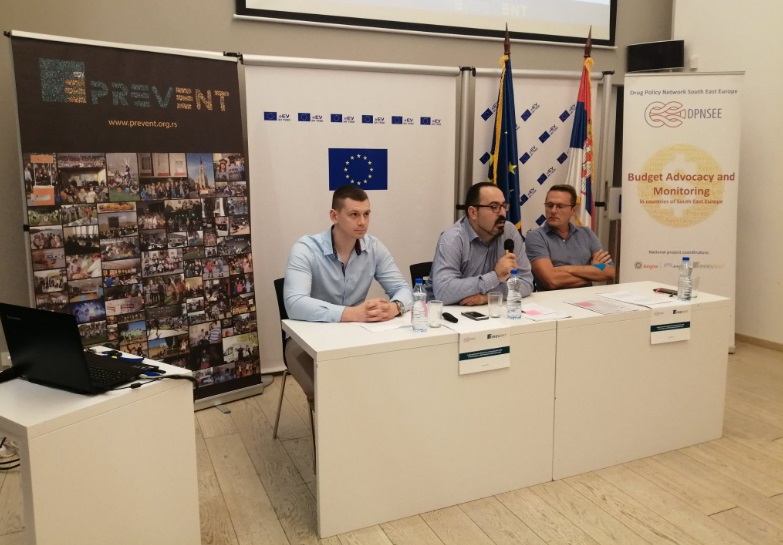
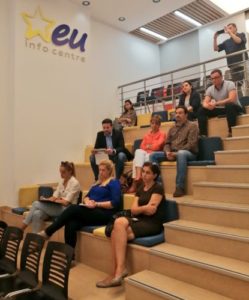 The budget analysis in Serbia was completed and presented on an event organised jointly by Prevent and DPNSEE in the EU Info Centre in Belgrade on 1 October 2019. The analysis was prepared in scope of the project
  The Analysis of the budgets in Serbia is available
  Besides the analysis of the budget of the Ministry of Health which was produced, DPNSEE has prepared and presented an analysis of the public calls for prevention of the Ministry of Health. This analysis is available
 The Analysis of the budgets in Bosnia and Herzegovina is available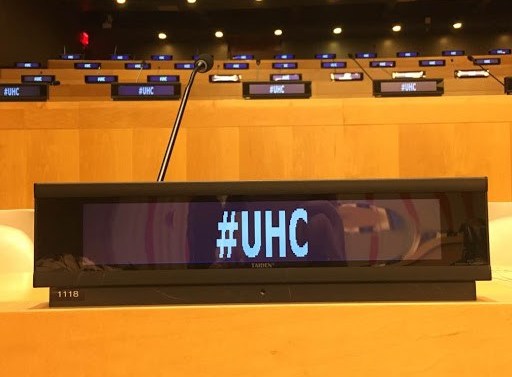
 On 23 September 2019, world leaders adopted a high-level United Nations Political Declaration on universal health coverage (UHC) at the United Nations General Assembly. In adopting the declaration, U.N. Member States have committed to advance towards UHC by investing in four major areas around primary health care.
 The
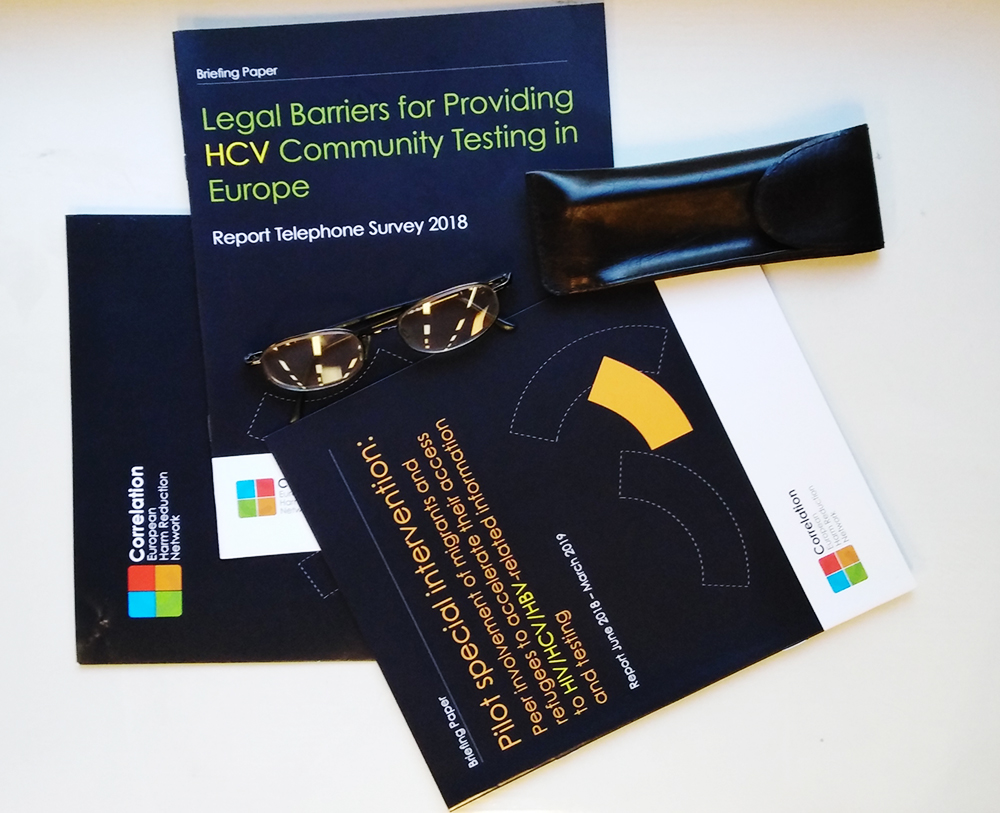
The  To read the Technical Brief,
 The sixth edition of the 6:0 International People’s Tournament for People Against Addictions was held during the weekend at the Boyana National Football Base of the



 To mark the first Sex Worker Pride day, our colleagues from the