

Civil society organisations from Albania issued an open letter expressing their concerns regarding a difficult context of provision of HIV services to key populations groups in the country.
The implementation of the Global Fund grant came to an end on 31 December 2019 and the new transition grant is not still signed yet. By 1st of January, all NGOs providing services to key population run out of any kind of support. Access to the services of 1800 people who inject drugs and 380 methadone clients, 1200 MSM, 290 sex workers, 30 prisoners and up to 200 people living with HIV is being jeopardized.
NGOs are required to shut down services, cut human resources and return all assets to the principal recipient (Ministry of Health and Social Protection): computers, printers, minivans, tables, furniture and even remaining rapid tests. This is disturbing for those NGOs which are renting spaces.
There is a total lack of information from all institutions, including CCM, how the project will continue, what will be the role of each actor and how the sustainability of services will be ensured, if it will be.
Albanian NGOs appeal to the Global Fund Secretariat, CCM and Minister of Health and Social Protection of Republic of Albania requesting them not to neglect this situation but to act fast and appropriately to ensure the sustainability of HIV prevention services for key populations. The support of other donors and technical partners is also very welcomed.
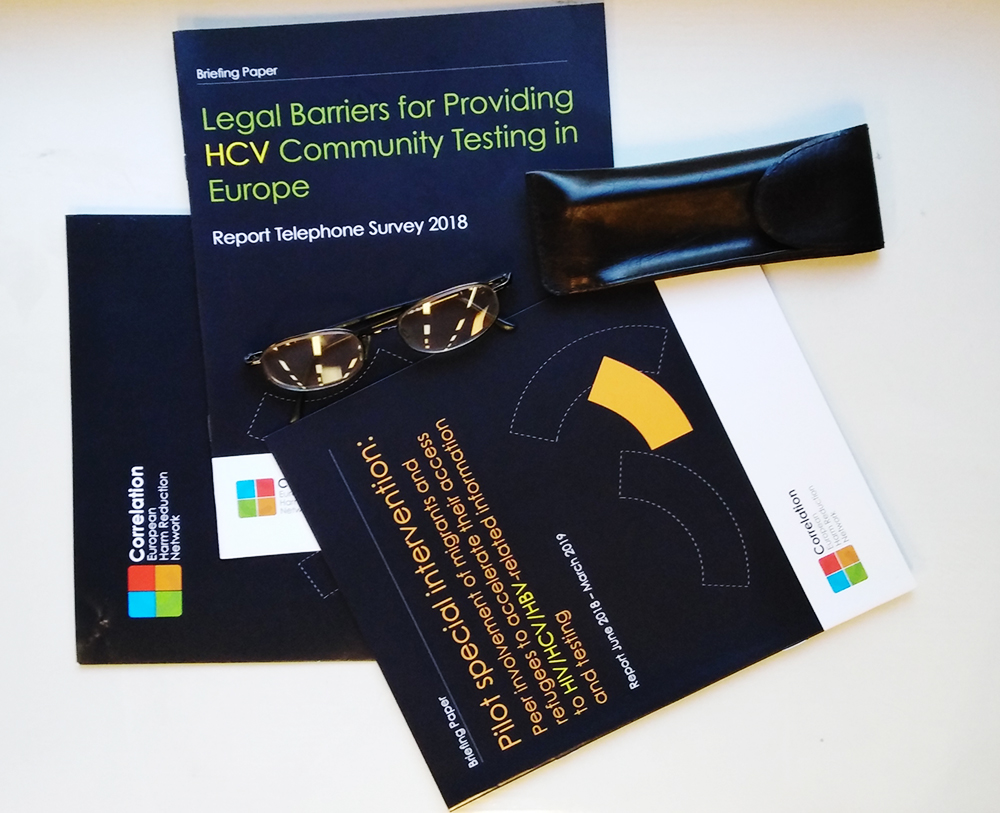
DPNSEE has already, in partnership with Correlation and EHRA, raised issue of sustainability of harm reduction services in Albania, Bosnia Herzegovina, Bulgaria and Romania.
 The open letter is available following this link>>>.

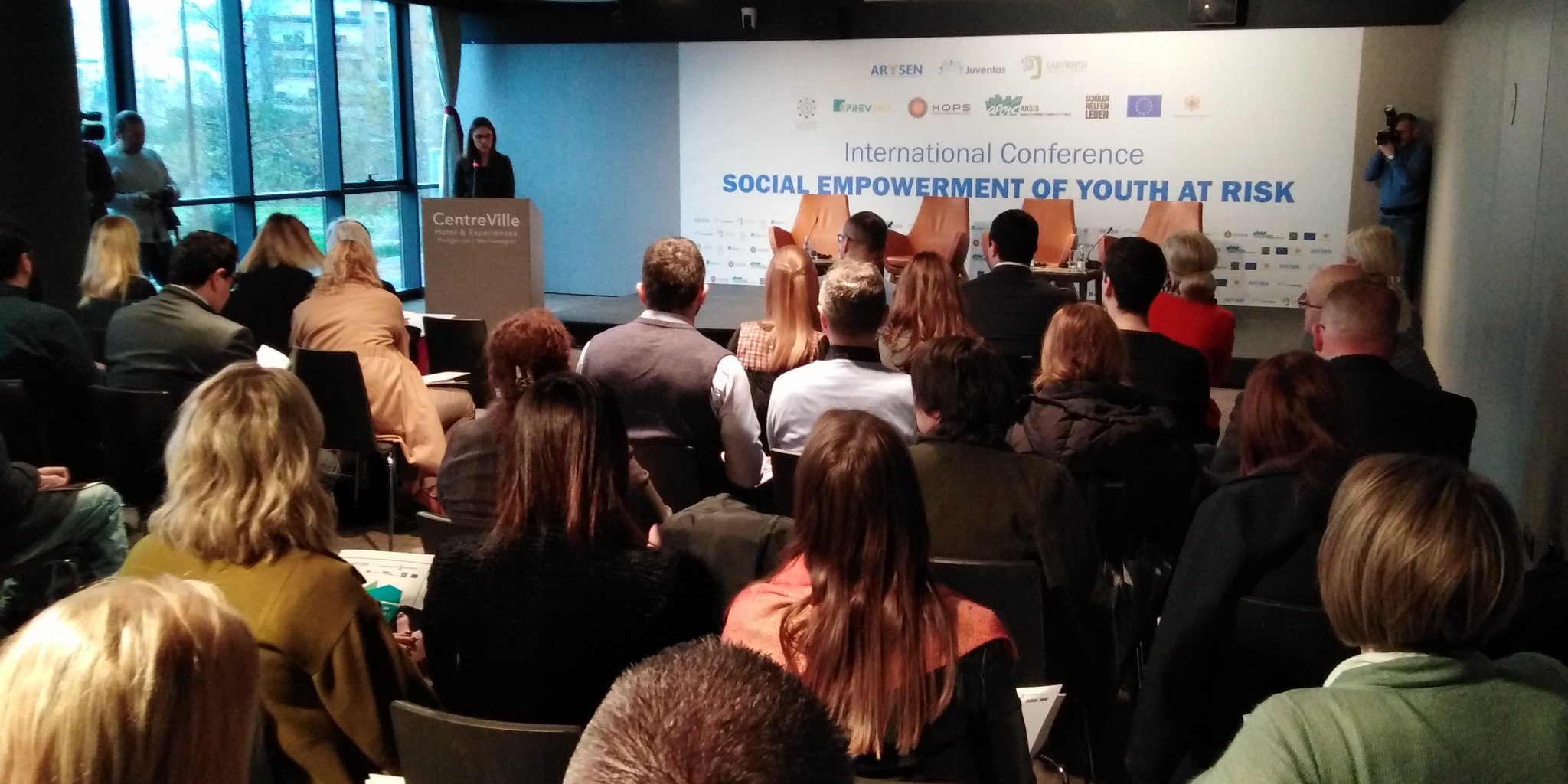

 The conference gathered policy officials, researchers, service providers, civil society activists and members of the academia from the region of Western Balkan and Europe to discuss current social position of different youth at risk categories and main obstacles for better social integration. Guests and speakers included Nikola Janović, Minister of Sports and Youth, Government of Montenegro and representatives of the ministries of Health, Education, Justice and Labour and Social Welfare, Fiona McCluney, resident coordinator, UN system Montenegro, Michaela Bauer, UNICEF’s Deputy Representative for Montenegro and Ana Margarida Tome De Freitas Mariguesa, European Delegation to Montenegro, among others.
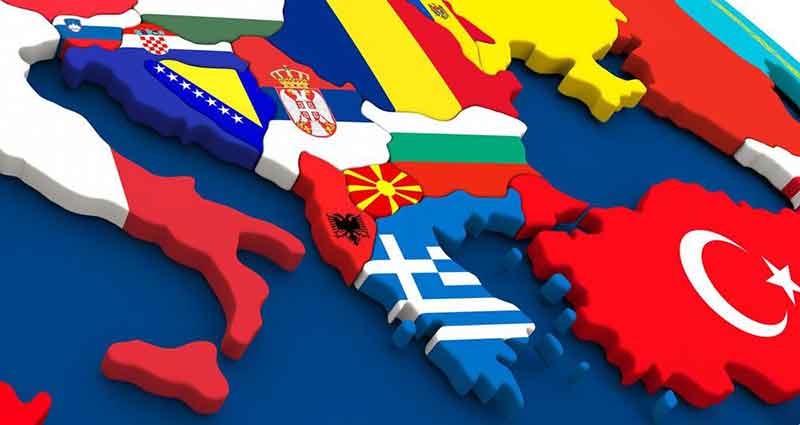

 Marios Atzemis was one of the Greek drug users diagnosed with HIV in 2011. He had been addicted to heroin and a regular in Athens’ open-air drug markets well before the crisis. Then in 2010, street services to help drug users stay safe lost a third of their funding. Atzemis stopped seeing the vans that used to distribute fresh syringes, even as new users were entering the scene, shooting newer, cheaper drugs.
 The Alliance of Non Governmental Organisations for Drugs and Addictions in Slovenia holds its third conference on 19 November 2019 in Ljubljana under the headline “Unconditional shelter for all: Needs and housing for people with psychoactive substance disorder“.


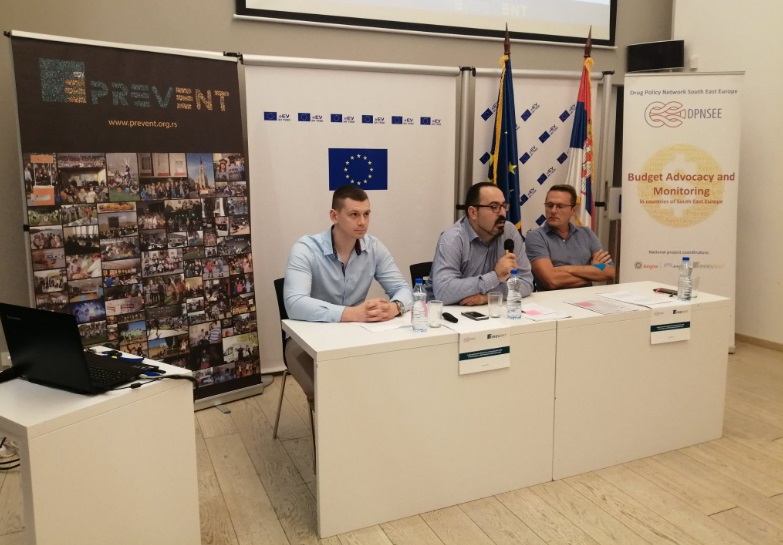
 The budget analysis in Serbia was completed and presented on an event organised jointly by Prevent and DPNSEE in the EU Info Centre in Belgrade on 1 October 2019. The analysis was prepared in scope of the project
  The Analysis of the budgets in Serbia is available
  Besides the analysis of the budget of the Ministry of Health which was produced, DPNSEE has prepared and presented an analysis of the public calls for prevention of the Ministry of Health. This analysis is available