
The Balkan Civil Society Development Network (BCSDN) reacted to the DG NEAR Consultations on the first regional call of the IPA Civil Society Facility (CSF) and Media Programme 2021-2023, published on 4 January 2022 on the TACSO website on behalf of the DG NEAR.
In times of declining freedoms, growing constraints to civil society operations in the enlargement countries, and continuous shrinking of the civic space for several years, confirmed by the most influential reports on the state of democracy, as well as the EC reports themselves, the highest priority of the regional call should have been supporting CSOs in protecting civic space and countering back democratic relapse.
BCSDN emphasizes that the EU should put a stronger focus on core and long-term support for CSOs rather than short-term project support. Instead of engaging costly international consultancies or intermediaries, the EU would support the work of CSOs grounded in knowledge of the local needs and challenges, committed to the long-term positive development of their societies.
The EU should show better recognition and consideration of the needs, positions and – even more so – the value of CSOs in the region, and start setting an example to the Western Balkan governments on what enabling meaningful participation of CSOs means.
In November 2021, the BCSDN issued the Non-Paper on the IPA III CSF and Media Programme 2021-2023. Several regional network, including DPNSEE, supported the non-paper.
The BCSDN reaction is available following this link>>>.

 Over 11 million people are imprisoned worldwide today, the highest number ever recorded. One in five people in prison worldwide is held for drug offences, and 90% of people who inject drugs will be incarcerated at some point in their life. People in prison are at greater risk of HIV, hepatitis C, tuberculosis and COVID-19. When they are released from prison, their risk of overdose increases by up to 69-times.

 As a criminalised population, sex workers have been disproportionately impacted by the COVID-19 pandemic, often living in precarious economic situations and excluded from social protection systems. The policy brief COVID-19 and Sex Workers/Sex Worker-led Organisations, produced by the Global Network of Sex Work Projects (
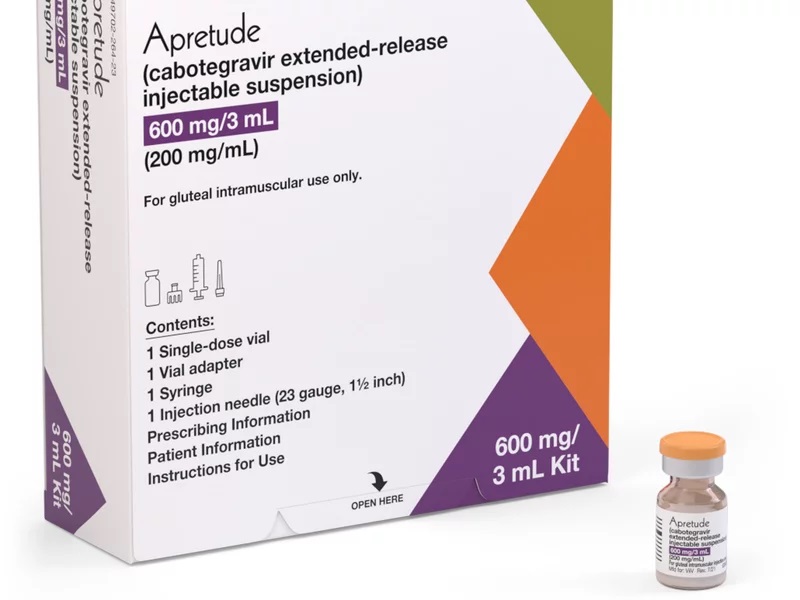
 The United States Food and Drug Administration announced its first approval of a long-acting HIV prevention medication on 20 December 2021. The long-acting injectable cabotegravir (CAB – LA) is approved as a pre-exposure prophylaxis (PrEP) for adults and adolescents who are at risk of acquiring HIV sexually in the United States of America. Apretude is given first as two initiation injections administered one month apart, and then every two months thereafter. Patients can either start their treatment with Apretude or take oral cabotegravir (Vocabria) for four weeks to assess how well they tolerate the drug.
![Drug Decriminalisation [e]Course](https://dpnsee.org/wp-content/uploads/2021/12/eCourse.jpg)