Correlation Focal points and expert group meeting

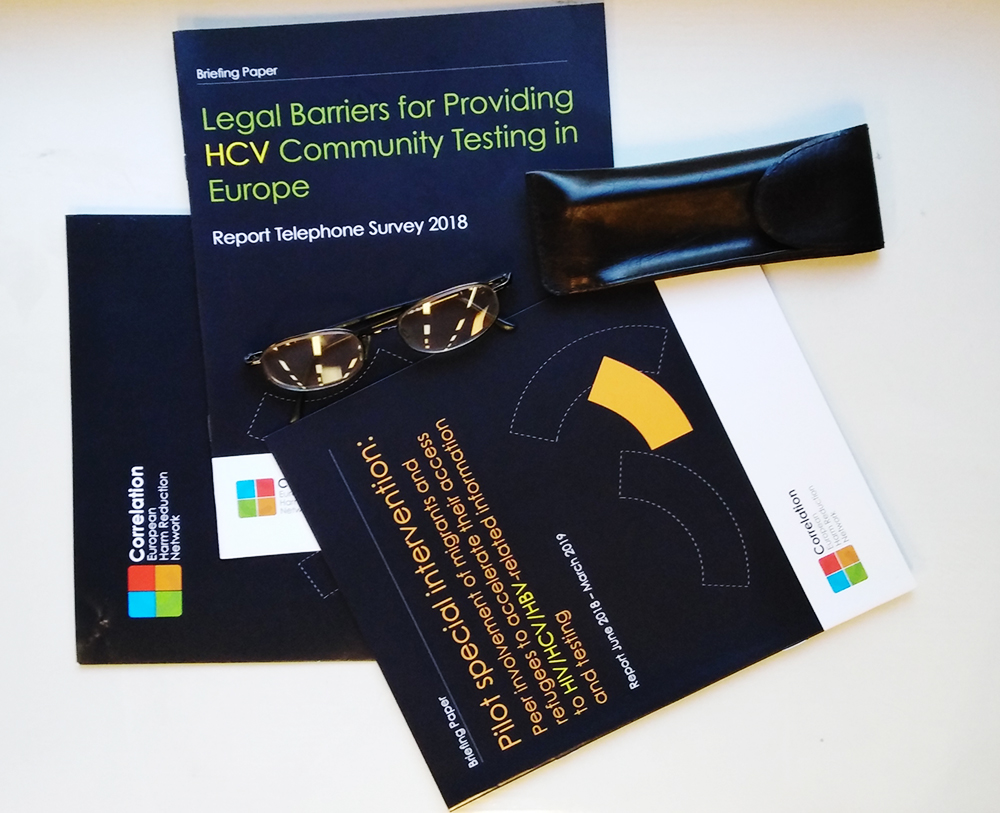
The Correlation – European Harm Reduction Network held its Focal point and expert group meeting from 2 to 4 October 2019 in Helsinki. The meeting gathered 60 participants from 31 countries and territories. Among them, DPNSEE network members are focal points for Albania, Bosnia Herzegovina, Bulgaria (not present at the meeting), Greece, Montenegro, North Macedonia, Romania and Serbia.

The agenda included a wide range of interesting issues including New projects on European level, Results of the first round of monitoring harm reduction, Challenges in Harm Reduction and also Correlation state of affairs and Methadone shortage in Romania. Complementing this agenda, participants were given the opportunity to join a series of workshops on Advocacy, Peer Involvement and Intervention Planning, Monitoring and Evaluation. Building upon this pool of expertise, the event offered the possibility to present developments in the different EU countries in regard to drug policy and harm reduction and to disseminate relevant work and activities.

Since the launch of the monitoring tool for harm reduction organizations, Correlation Focal Points have been working on collecting the required data and information. The tool had more than 100 questions and 35 countries from Europe participated. Some results are strange. For instance, the only 3 countries in Europe which expressed civil society’s good cooperation with governments were Albania, Bosnia Herzegovina and Romania! During the meeting, participants shared their experiences and provided feedback on the tool and the process.

Ms Dagmar Hedrich, Head of the Health consequences and responses sector, Lead scientist for harm reduction at EMCDDA, presented the data collected by the agency. DPNSEE Vice President and Executive Director asked what can we do with outdated data coming from some EMCDDA focal points and how could they include data from candidate and non-EU countries? The reply we got was that EMCDDA’s institutional obligation is to report on 28 EU countries and 2 who pay for their services (Norway and Turkey) and that budget cuts and no funds prevent them to cover more. An interesting view Ms Hedrich proposed is that the civil society organisations can perform social autopsy of overdose deaths of people who were using their services. The implementation researches are one of important potentials of CSOs – qualitative information they can provide. A good model they use is that EMCDDA prepares short reports with key messages, tailored for policy makers, followed by webpages or web based portals which give a full information.

The presentation from the European Centre for Disease Prevention and Control (ECDC) was focused on monitoring in general and on Hepatitis in particular. It emphasized that there is a big problem with low number of those diagnosed for HEP, huge numbers in prisons and lack of accurate data.

On Friday 4, the seminar Wellbeing economy – A way to sustainability in the HIV and AIDS response? was held as an official side event during Finland’s Presidency of the Council of the EU in cooperation with HIV Finland.

SOS project coordination meeting

On October 2 – 3, the coordination meeting of the multi-country #sos_project, managed implemented by the consortium led by the Alliance for Public Health was held in Skopje, North Macedonia. The project team met with colleagues from the Balkan region to discuss budget advocacy issues, further interaction and strengthening of cooperation between EECA and the Balkans.
The priority areas of the cooperation are:

  • Implementation of WHO protocols with the inclusion of assisted and self-tested HIV testing.
  • ART price optimization.
  • Development of regulatory changes to improve the quality of HIV services.
  • Popularization of PrEP in the region of Southeast Europe.

DPNSEE President Vlatko Dekov and Board member Denis Dedajić presented our work on budget advocacy and monitoring in countries of South East Europe, supported by the European Harm Reduction Association and Open Society Foundations.

Budget analysis presented in Serbia

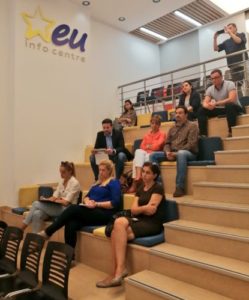
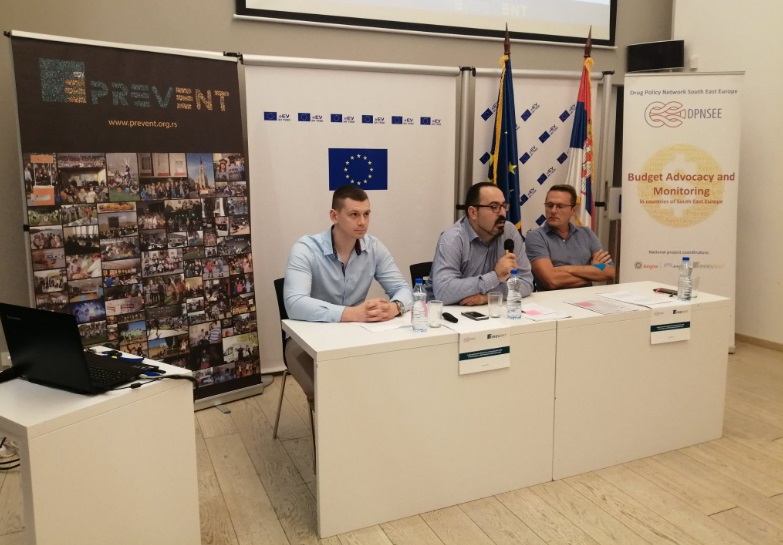
The budget analysis in Serbia was completed and presented on an event organised jointly by Prevent and DPNSEE in the EU Info Centre in Belgrade on 1 October 2019. The analysis was prepared in scope of the project Budget Advocacy and Monitoring in countries of South East Europe by the team of consultants engaged by Prevent.

The surveys were of a meta-analytic nature, conducted on data and information obtained on the basis of publicly available documents published by state bodies: the Ministry of Health, the Ministry of Finance, the Parliament of the Republic of Serbia, the Customs Administration and the Agency for Business Registers.

The aim of the research was to explore the status and trends of program financing in order to find opportunities and solutions for securing funds for their sustainability.

The analysis clearly shows a continuous decrease in the allocation of funds for preventive health care, regardless of whether the total budget of the Ministry is increased or decreased and whether the budget of the Ministry of Health occupies a higher or lower percentage in the national budget for a given year. The most significant finding is the constantly present difference in the planned and executed budget – the allocated/spent funds are continuously reduced compared to those planned.

The Analysis of the budgets in Serbia is available following this link>>>

Besides the analysis of the budget of the Ministry of Health which was produced, DPNSEE has prepared and presented an analysis of the public calls for prevention of the Ministry of Health. This analysis is available following this link>>>.
 

DPNSEE Board meeting

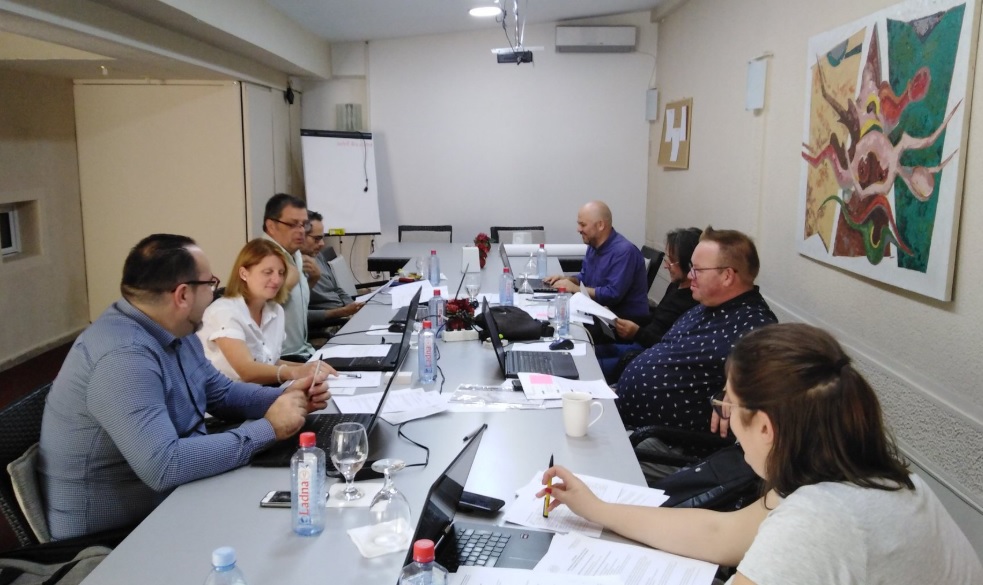
The Drug Policy Network in South East Europe Board held a regular board meeting in Skopje from 28 to 28 September 2019. All 7 Board members and Executive Director participated.

Significant part of the meeting was dedicated to developing DPNSEE strategic plan. Using the results of the Strategic workshop held in May, the Board worked on the text of a stagey document which will be shared with the member organisations for consultations, to be completed at the General Assembly.

The Board discussed activities held in between the two meetings and projects which are being implemented or planned for the future.

The tentative days for the annual General Assembly are 16 to 18 December 2019. The Assembly will be held in Belgrade.

The Board proposes that all member organisations should re-affirm their acceptance of the DPNSEE Mission and Vision and formally sign it.

The Board discussed and adopted the proposed DPNSEE Travel and Expense Policy and Website privacy policy.

The Board was informed about critical situations of harm reduction services in Bulgaria and Bosnia Herzegovina and discussed potential ways to help member organisations.

New EMCDDA manual and training courses for professionalising drug prevention

Source: EMCDDA

The European Monitoring Centre for Drugs and Drug Addiction (EMCDDA) has launched European Prevention Curriculum (EUPC), the manual for decision – makers, opinion – makers and policy-makers in science based prevention on substance use, designed to train professionals who are involved in shaping prevention decisions, opinions and policies in Europe in the science-based prevention of substance use (1).

There has been much progress over the past 20 years, both in Europe and internationally, in developing responsible and evidence-based interventions in substance use prevention. Yet, prevention practices for which there is little, or no, evidence of effectiveness are still being implemented in school and community settings today. In the worst cases, poorly designed interventions may even cause harm.

The new handbook represents an important step towards achieving the agency’s goal, outlined in EMCDDA Strategy 2025, to support interventions to prevent drug use which are based on evidence. It provides practical overviews of a variety of topics (e.g. aetiology, epidemiology, monitoring and evaluation) as well as prevention in diverse settings (e.g. family, school, workplace, community, media and the broader environment).

emcdda

The aim of the EUPC initiative is to implement a standardised prevention training curriculum in Europe and improve the overall effectiveness of prevention. Adapted from the Universal Prevention Curriculum by the EU-funded UPC-Adapt group, the handbook is based on international standards but with a European slant (2).

EMCDDA Director Alexis Goosdeel said: ‘I believe that Europe will greatly benefit from a professional prevention workforce that values prevention science, has the support of public institutions and is trained in, and knowledgeable about, approaches that are empirically tested and likely to yield results. The EUPC manual and training series aim to reduce the health, social and economic problems associated with substance use by strengthening the expertise of those who influence the development of prevention systems, cultures and activities in their regions.

European Master Trainers – cascading knowledge on evidence-based prevention

This week, the EMCDDA joins forces with the EU-funded project ASAP training for quality in prevention to deliver the first EUPC ‘training of trainers’ course in Lisbon (3). Following two three-day training courses of this kind and a final exam, successful participants will gain the status of European Master Trainers.

The qualification will allow the trainers to cascade evidence-based prevention knowledge through courses in their own country and language. The new handbook forms the main reference material for EUPC training courses, which can be delivered in three forms: online introductory training; training for local or regional decision-, opinion- and policymakers (DOPs); and training in academic settings (future DOPs).

This week 29 participants from 11 countries will take part in the training, including two participants from Georgia and the Lebanon funded through the EU4Monitoring Drugs (EU4MD) project, launched by the EMCDDA earlier this year.

It is hoped that the EUPC manual and training courses will boost the application and spread of effective modern prevention approaches at local and regional level in Europe and facilitate well-informed choices about funding and implementation priorities.


First World atopic eczema day held in Serbia

National association Allergy and me

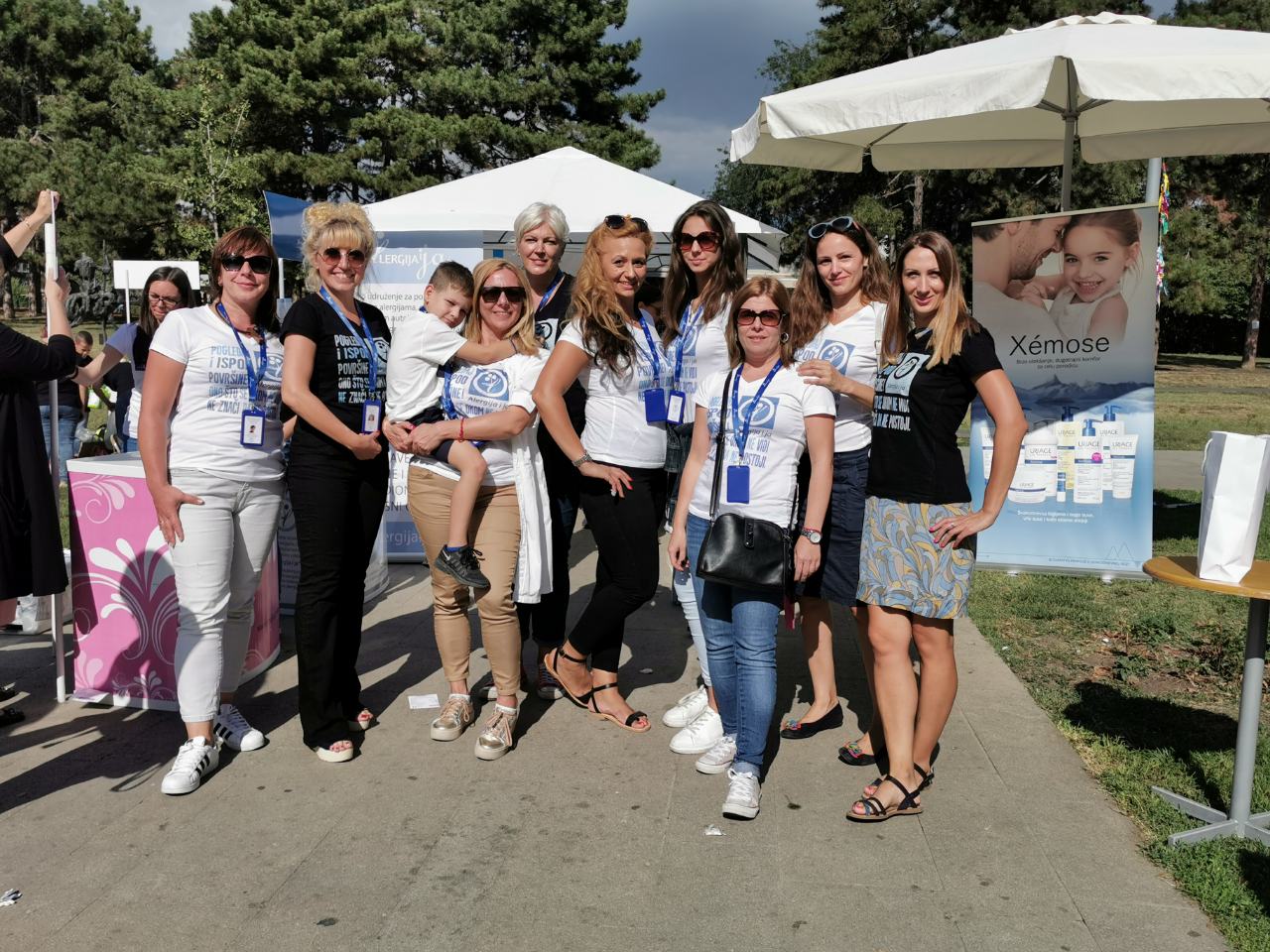
September 14 marks the 2nd European Atopic Eczema Awareness Day aimed to raise awareness and understanding of the disease and its impact on the people living with it. For the first time in Serbia, World atopic eczema day was held, in the city central park in Belgrade, organized by National association Allergy and me.

Host of the meeting was our colleague Snežana Šundić Vardić who leads the association.

During the event, free dermatologist examinations, educational and creative workshops for kids were conducted. This is a good example of developing an awareness of the health problems that are marginalized.

Atopic Eczema is a demanding disease and much tougher on patients than people understand. Intense and persistent itching is one of its most debilitating symptoms, leading to long-lasting pain. It nearly always restricts quality of life, impacts mental health and leads to the development of other diseases.

Each day, people living with atopic eczema experience how the disease impacts their lives beyond their skin. The new EFA Atopical Lives online photo exhibition introduces people living with atopic eczema and shows how the disease influences their daily activities and quality of life: eczema patients need to constantly adapt their daily lives to avoid additional skin irritation. They carefully choose ordinary activities such as cooking, playing sports, enjoying leisure-time or hobbies because their atopic skin requires preparation not to have symptoms worsen. Common consumer goods such as cosmetic and hygiene products, bedding or clothes are also part of their prevention strategies, leading to considerable extra-spending. The cost to get the care they need is too high: European severe atopic eczema patients spend on average 927, 12 € a year.

Atopic eczema often develops in childhood, but it can also appear in adulthood. It almost never comes alone but instead is linked to other atopic diseases: almost half of all eczema patients live with allergy to pollen, around a third have allergies to either house dust mites, animals or certain foods, and many life with asthma. The majority of mild atopic eczema patients can have their symptoms reduced thanks to moisturisers or corticosteroids. However, their recurring symptom cycles are not treated.

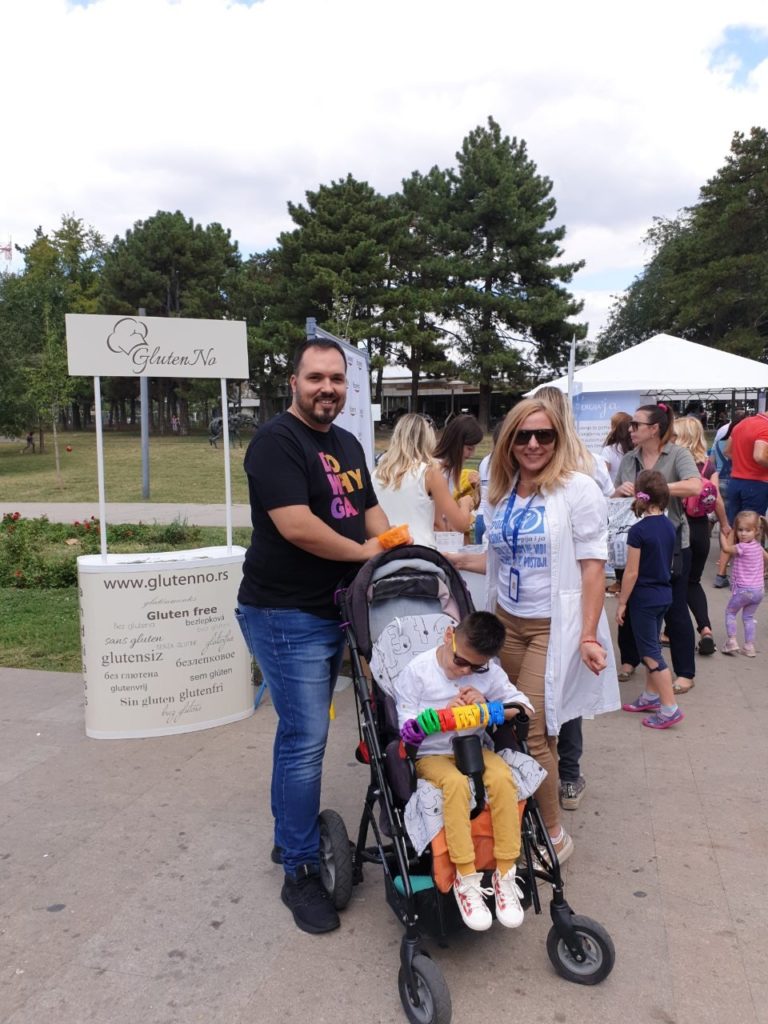
Snežana with visitors at the event

US Senate plans increasing the contribution to the Global Fund by 15.6%

One month before the Replenishment Conference to be hosted in Lyon, France, good news came from the US.  Their Senate plans increasing the contribution of this single largest donor of the Global Fund by 15.6%! This is the first increase in six years and the third largest increase since the Global Fund was founded. The Senate included language affirming it anticipates funding at this level through the Global Fund’s 6th Replenishment cycle.

Excerpts from the media release of the Friends of the Global Fight Against AIDS, Tuberculosis and Malaria

Today the Senate Appropriations Committee posted the State, Foreign Operations, and Related Programs fiscal year 2020 funding bill, increasing funding for the Global Fund to Fight AIDS, Tuberculosis and Malaria (Global Fund) to $1.56 billion in fiscal year 2020, a 15.6 percent increase from the previous year. The bill is expected to be considered by the full Senate.

The report accompanying the appropriations bill also specified that the Senate Committee anticipates maintaining this appropriation level in fiscal years 2021 and 2022, coinciding with the Global Fund’s Sixth Replenishment cycle:

“The Committee recommends $1,560,000,000 for a U.S. contribution to the Global Fund. In advance of the Global Fund Replenishment Conference in 2019, the Committee anticipates that the United States will pledge not less than this amount for each of the three fiscal years pertaining to the Global Fund’s Sixth Replenishment. The Committee does not support the administration’s proposal to amend the longstanding matching rates for U.S. contributions to the Global Fund and expects the United States to continue to match other donor contributions at a rate of $1 for every $2 received from other donors.”

A $1.56 billion annual appropriation would translate to a $4.68 billion U.S. contribution over the three-year Replenishment cycle, helping the Global Fund meet its goal of at least $14 billion.

Congress has firmly rejected the President’s proposed cuts and affirmed America’s support for the Global Fund and dedication to ending the world’s deadliest infectious diseases.

Over the summer, several countries announced their pledges for the next three years – Germany, Switzerland, Canada, the European Union, Italy, Japan, UK, South Korea, even India. All will increase their contributions. The European countries (and the EU together with the individual countries are the largest contributor to the Global Fund!) in average increase by 15%.

Promotion of tolerance and equality

Combating intolerance and promotion of equality were the topics of the Conference held on 17 September 2019 in Belgrade by the Council of Europe with participants from the Government of Serbia, Parliaments of Bosnia and Herzegovina, France and Serbia, representatives of the European Commission Against Racism and Intolerance (ECRI) as well as the representatives of equality bodies, civil society organisations, international organisations and a number of embassies in Serbia.

For the Government of Serbia, the process of EU integration remains a priority with an emphasis on the respect for human rights, rule of law and democracy. The Deputy Prime Minister Ms Zorana Mihajlović highlighted that increase of intolerance among young people and violence in schools needs to be addressed by the joint efforts of the Government, independent bodies and civil society organisations. The Head of Government Office for Human and Minority Rights, Ms Suzana Paunović, emphasised the importance of identifying and sharing good practices in addressing intolerance and promoting equality. In that context, the joint European Union and Council of Europe “Horizontal Facility for the Western Balkans and Turkey 2019 – 2022” was recognised as one of the instruments which should boost and facilitate the exchange of good practices among its Beneficiaries.

The Head of Council of Europe Office in Belgrade, Mr Tobias Flessenkemper, highlighted that bringing democratic and pluralist society and respecting equal dignity of all human beings remain the prime objectives for the European societies. Furthermore, he added that today’s gathering allowed to mark the 70th anniversary of the Council of Europe as well as 25 years of ECRI as well as the multiple efforts by the Serbian civil society. He concluded by underlining that Europe’s future demands from individuals and groups will address not only tolerance but also the will to act together, combining their diverse contributions.

The Head of Delegation of the European Union to Serbia, H.E. Ambassador Sem Fabrizi highlighted that intolerance and discrimination are a common challenge. They are widespread not only in Serbia, but in many countries of the world. The situation can be improved and changed only with a strong political will of the authorities to react to any form of intolerance promptly and adequately. In that way, a powerful message would be sent to those denying rights of all people, that such behaviour is not acceptable and would not go unpunished. H.E. Ambassador Jean-Louis Falconi, Embassy of France in Serbia, highlighted that strengthening the rights of Europeans also means emphasising social rights and further linking them to the European Union law.

At her keynote speech, Vice-Chair of the European Commission Against Racism and Intolerance (ECRI) Ms Maria Daniella Marouda concluded that in order to effectively combat intolerance and promote equality more must be done to project a positive image of a diverse society and to explain better the advantages stemming therefrom. Openness and tolerance in a society can only be genuine if they are not limited to certain predefined groups but embrace everyone. All persons must be protected against discrimination including those not belonging to national minorities or other vulnerable groups. A fairer society, where respect for difference is acknowledged as normal, is of benefit to all individuals.

The conference Combating Intolerance and Promoting Equality is jointly organised by the Council of Europe Anti-discrimination Department, the Council of Europe’s anti-racism body (the European Commission against Racism and Intolerance – ECRI) and in co-operation with the Serbian Government and the Commissioner for the Protection of Equality under the auspices of the French Presidency of the Committee of Ministers of the Council of Europe. It is held under the Action Promotion of diversity and equality in Serbia funded through the joint European Union and Council of Europe programme “Horizontal Facility for the Western Balkans and Turkey 2019 – 2022”.

At the Conference, DPNSEE Executive Director met and discussed with potential partners, especially Head of Council of Europe Office in Belgrade, representatives of the Ministry of Labour, Employment, Veteran and Social Policy, Deputy Republic Public Prosecutor and colleagues from the civil society sector.

The French Ambassador to Serbia Jean-Louis Falconi invited all participants of the Conference for a reception in the Embassy. That was the opportunity for DPNSEE Vice-President Nebojša Đurasović and Executive Director Milutin Milošević to get introduced to the Ambassador and briefly present him the situation with drug policy and HIV in Serbia. Mr Falconi expressed interest in the issue and promised to keep contacts on the issue.

6-0 Tournament for People Against Addictions

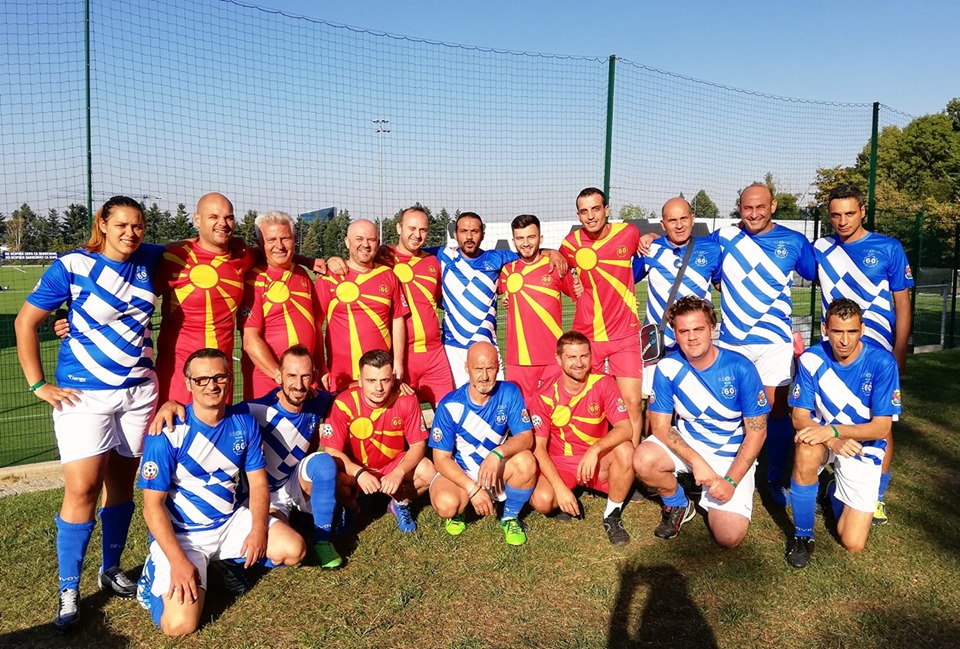
The featured image of this news presents teams of Kethea (Greece) and HOPS (North Macedonia) which, besides sport competition and cooperation in the area of addiction, promote friendship and multi-cultural understanding.

The sixth edition of the 6:0 International People’s Tournament for People Against Addictions was held during the weekend at the Boyana National Football Base of the Bulgarian Football Union (BFU), with participating teams Heart Team, School of Life, Live, HOPS, SVOI, Bilani, Kethea ithaki, Open Eyes, New Beginnings, Remar, Renaissance, Freedom, Solidarity, ON LIFE and KA Sport Jump coming from Bulgaria, Greece, Northern Macedonia, Slovakia, Russia and Ukraine.

The official opening ceremony, held on 13 September, was preceded by a round table with the participation of the Minister of Youth and Sports Krasen Kralev, Deputy Minister of Health Svetlana Yordanova, Deputy BFU Executive Director Anton Popov and representatives of the Sofia Municipality. The round table discussed the problems with dependent behaviour in Bulgaria.

“The fight against youth addiction is a priority topic in the activities of the Ministry of Youth and Sports. One of the main programs of the Ministry with a budget of BGN 2 million a year is the National Program for the implementation of youth activities. In its essence it represents a real counteraction to aggression and all kinds of addictions through the implementation of various preventive activities and the inclusion of sport as a main tool for prevention”, Minister Kralev told the roundtable participants.

Special guests of the tournament are the popular TV presenter, singer and cook Leo Bianchi and former Bulgarian football national Stanislav Angelov. The two will also participate in the event as part of Team Heart.

The project is organized by the Revenche Association and the School for Life Foundation, co-financed by the Municipal Strategy for the Development of Physical Education and Sport of Sofia Municipality and supported by the Sofia – European Capital of Sport initiative.

This event is a citizens’ initiative. The project is organized by specialists with experience in the treatment of addiction who know the problem internally. Since 2015, with the assistance of the Bulgarian Football Union, five tournaments have been held under the common slogan “Not all people are addicts, but all addicts are people!


14 September – Sex Worker Pride day

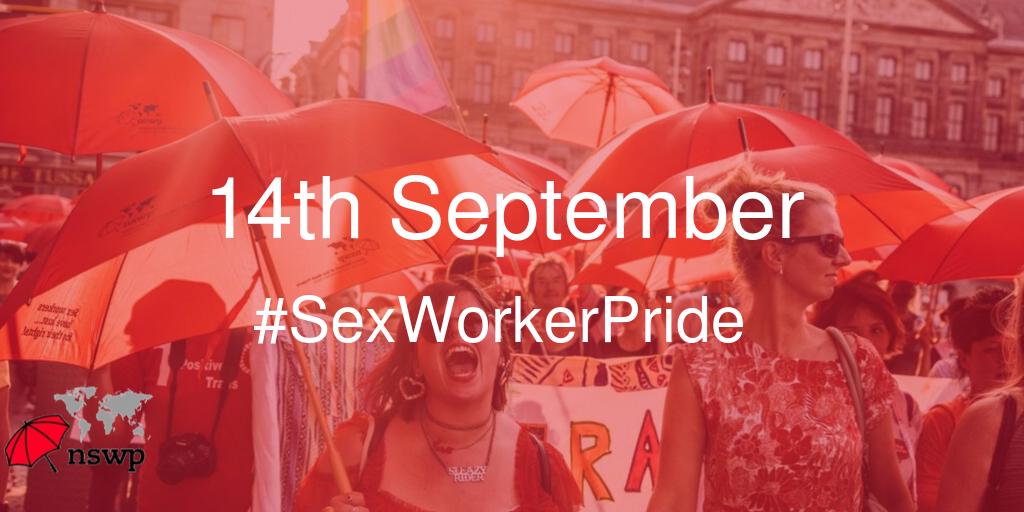
Today is Sex Worker Pride day, a day for sex worker community to celebrate their achievements and share stories of sex workers’ self-determination while honouring the tireless efforts of colleagues everywhere to secure rights and safety for all sex workers. It is an opportunity to celebrate and share stories of sex workers’ self-determination and the achievements of the sex worker rights movement.

After its introduction by the Global Network of Sex Work Projects (NSWP), the Sex Worker Pride day becomes the fourth annual key date of the sex workers rights movement. Globally sex workers face many challenges in day to day life. They are being marginalised, stigmatised and stripped from their rights. Their voices are often ignored but they never stop pursuing the rights they desperately need. The sex workers rights movement is powerful with a vibrant and diverse community that has drive and compassion that’s too big to be stopped by the difficulties they are facing.

Sex Worker Pride extends to all marginalised by criminalisation, discrimination and stigma across the sex worker movement and celebrates the diversity within our community during International Sex Worker Pride.

To mark the first Sex Worker Pride day, our colleagues from the Sex Workers’ Rights Advocacy Network (SWAN), a sex worker-led regional network in Central and Eastern Europe and Central Asia publishes its Annual Report that shows SWAN’s work in diverse areas in order to achieve our objectives as laid out in our Strategic Plan 2018-2022. We join our members, colleagues and allies in celebrating our never ending passion for creating a better world for sex workers.

This annual report is available in English and Russian.

In Greece, the phrase “Take care of each other” continues to inspire the team of Red Umbrella Athens. A new initiative of the Day Centre and the DPNSEE member organisation Positive Voice Roadmap is the “Before You Enter, Put In” campaign. This is an attempt to sensitize sex studio clients to avoid taking photos or videos in their respective locations without the consent of the people working there. As part of Red Umbrella Athens team visits to sex studios, this issue has often been communicated as a major problem that disrupts their functioning.


Organisation STAR-STAR from North Macedonia, the First Sex Workers Collective in the Balkans, released a video to mark the Sex Worker Pride day.