Members of the European Parliament recommended: Take medical use of cannabis seriously

Members of the European Parliament (MEP) proposed the ways to address research gaps on medical cannabis and call on member states to seize the potential of cannabis-based medicines.

In a resolution adopted on Wednesday 11 September, MEPs call on the Commission and national authorities to draw a clear distinction between medical cannabis and other uses of cannabis. The resolution urges the Commission and member states to address regulatory, financial and cultural barriers which burden scientific research and invites them to properly fund research. The EU should embark on more research and stimulate innovation with regard to medicinal cannabis projects.

MEPs call on member states to allow doctors to use their professional judgement in prescribing cannabis-based medicines. When effective, these medicines are to be covered by health insurance schemes in the same way as other types of medicine, they say.
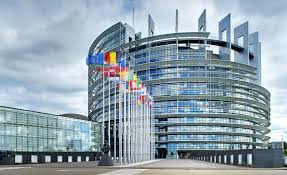
European Parliament

The regulation of cannabis-based medicines would translate into additional revenue for public authorities, would limit the black market and ensure quality and accurate labelling. It would also limit minors’ access to this substance, they say.

MEPs say that there is evidence that cannabis or cannabinoids may be effective in increasing appetite and decreasing weight loss associated with HIV/AIDS. Medical cannabis may also help to alleviate the symptoms of mental disorders such as psychosis or Tourette syndrome, and to alleviate the symptoms of epilepsy, as well as Alzheimer’s, arthritis, asthma, cancer, Crohn’s disease and glaucoma. They also help to reduce the risk of obesity and diabetes and ease menstrual pain.

Whilst the WHO has officially recommended that the cannabis compound cannabidiol (CBD) should not be classified as a controlled substance, legislation in member states differs widely on the subject of cannabis for medicinal purposes.

The European Parliament is made up of 751 Members elected in the 28 Member States of the enlarged European Union. Since 1979 MEPs have been elected by direct universal suffrage for a five-year period.

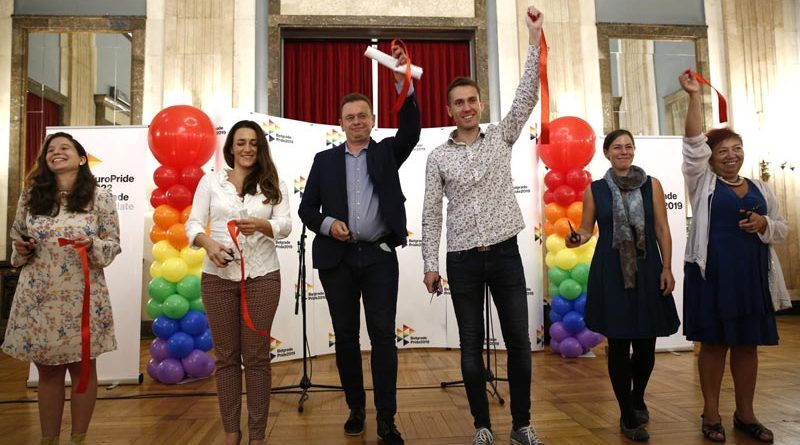
Pride Week in Belgrade started

Belgrade Pride Week 2019 has begun on Monday 9th and will end with the Belgrade Pride, which will be held on Sunday 15th September.

The opening ceremony was held at the City of Belgrade’s National Assembly. Jovanka Todorović, representing the Organizational board of Belgrade Pride, opened this year’s Pride Week and gave an overview of all the important events that will take place. Goran Miletić and Marko Mihailović, fellow members of the Organizational board, spoke about the political messages of the “I do not renounce” campaign, as well as Belgrade’s candidature to host EuroPride in 2022.

Pride Week: Grand Opening

During this week Belgrade Pride will organize workshops, open talks with the community, exhibitions, movies projections, performances as well as the first Belgrade Pride Theater Festival. This year the face of the Pride is singer Sara Jovanović.

Also, the Pride Info Center with our associate member association Duga (Rainbow), will provide free HIV testing, every day during Pride Week from 3pm to 6pm, in Kralja Milana 20 in Belgrade.

The Pride walk will begin on Sunday at 5 pm on Slavija Square.

The plan and program of events during the Pride Week 2019 and plan of  Pride Walk is available following link>>>


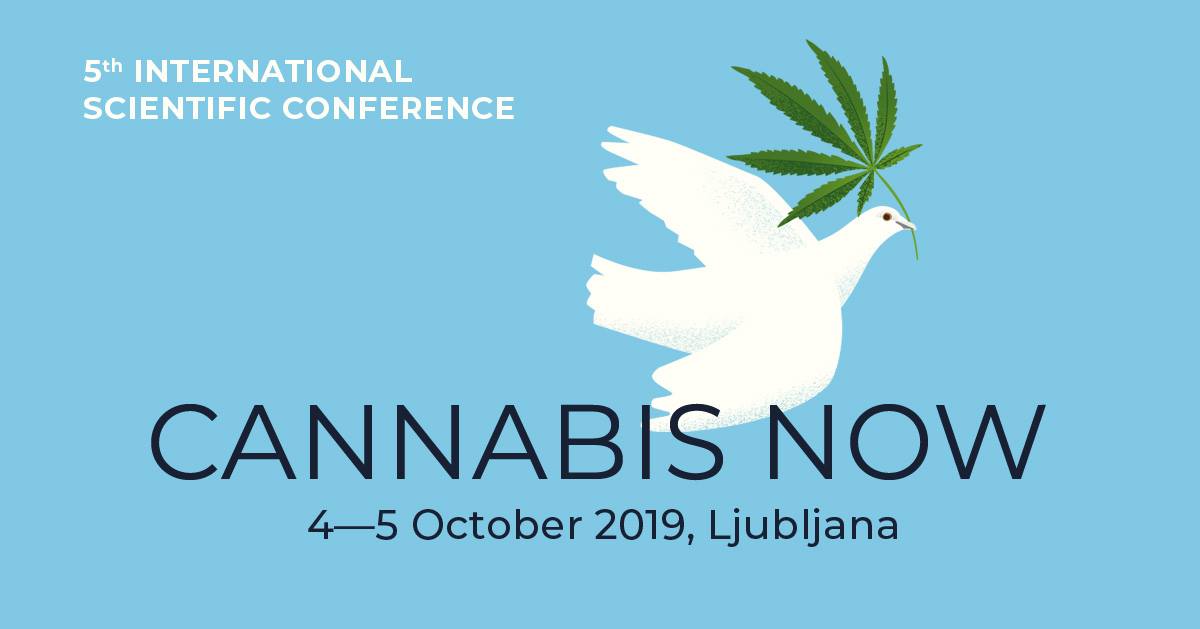
5th Cannabis International Seminar

Research Nature Institute organizes 5th seminar in the Demystifying Cannabis cycle, Cannabis Now International Conference on October the 4th and 5th in Ljubljana, Slovenia. The seminar has been organised since 2014 in Ljubljana, Belgrade, Skopje and Zagreb.

During the seminar, the Slovenian and international top-level experts on cannabis will introduce us to the most recent insights into the medical use of cannabis in different countries around the world (Israel, Canada, USA, the Czech Republic, Spain). After their lecture, they will respond to your questions in a debate. The attenders and speakers at the Conference are experts in field of medicine, psychiatry, pharmacy, chemistry and biology: Dr. Jonathan Grunfeld, Dr. Lumír Ondřej Hanuš, Prof. Dr. David Neubauer, Dr. Sue Sisley, Doc. dr. Tanja Bagar, Dr. Dorothy H. Bray, Dr. Guillermo Velasco Díez, Dr. Paul Hornby, Prof. Dr. Tamara Lah Turnšek, Mag. Dušan Nolimal, Dr. Ilya Reznik, Dr. Roman Štukelj.

Research Nature Institute

Research Nature Institute is institute for research, development and quality assurance of nature remedies, with the goal to research the efficacy and safety of natural remedies that are currently available or are of limited access to persons in need. By setting standards for quality control and standardization, providing accreditation programs, and taking part in clinical trials, their aim is to ensure natural remedies are clean (free of contaminants) and effective at known dosages to the user. Their basic work is to educate the public, medical professionals and legislators of our findings based on sound scientific methodologies and principles.

To read more details about this event follow this link>>>

Global Fund Replenishment Conference FAQ

The Global Fund Replenishment Conference that takes place every 3 years. The aim of the conference is to raise funds and mobilize partners in the fight to end AIDS, TB and malaria.

The sixth Replenishment conference will take place on October 10 in Lyon, France at Palais des congrès de Lyon. This is the first time France (the second largest donor to the Fund) is playing host.

The target for the Sixth Replenishment Conference is to collect 14 billion USD over the next 3 years. This is an ambitious target, but the funds would save 16 million lives and prevent 234 million new infections between 2021 and 2023.

If you want to know more, read the FAQ webpage created by RED following this link>>>.

The International Overdose Day marked around SEE

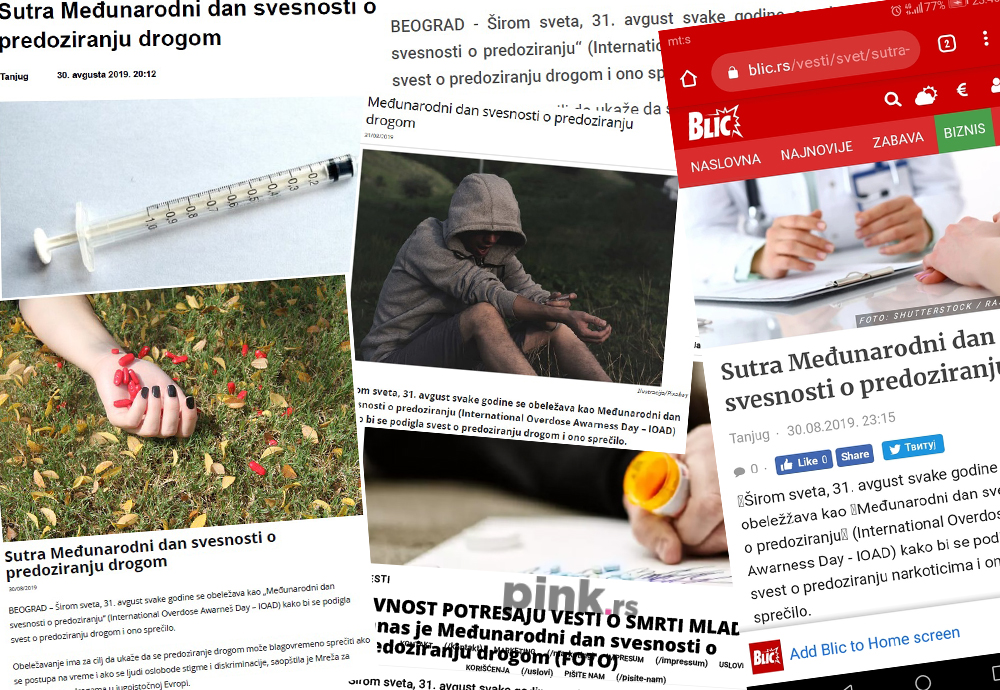
On the occasion of the International Overdose Awareness Day (IOAD), DPNSEE issued a press release underlining the importance of awareness and fighting stigma on overdose and presenting data about the issue worldwide and especially in Serbia. The release was published by the national Press agency Tanjug and several other media and portals.

The press release is downloadable following this link>>>

In Montenegro, NGO Juventas also issued a press release (supported by the NGO 4 Life) and held a press conference where Marija Mijović, coordinator of Programme of direct assistance to the people in risk of social exclusion presented situation in the country. A movie “Overdose”, directed by Mladen Vujović, outreach worker at the Drop-in Centre of NGO Juventas, Montenegro in cooperation with the Hungarian Drug reporters, was screened at the Green Montenegro International Film Festval.

Our colleagues from the Romanian Harm Reduction Network created a special video for this year’s IOAD campaign. Have a look at “Voices of the drug users. Episode 1”

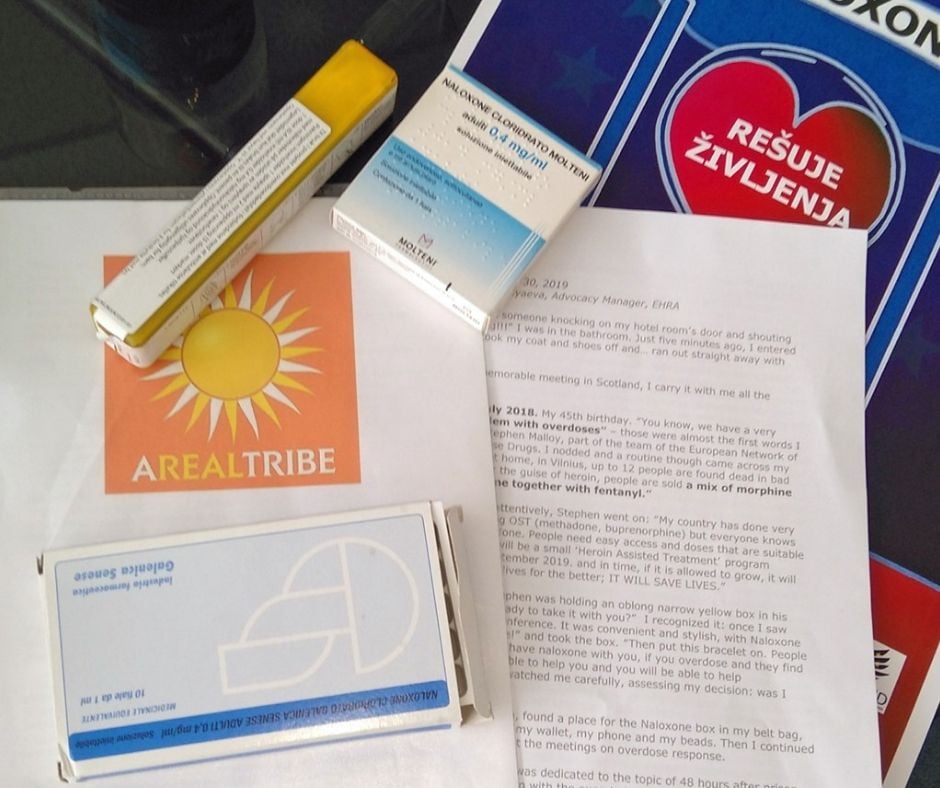
Association AREAL and AREALTRIBE group from Slovenia organized a workshop dedicated to the International overdose awareness day on 1 September 2019 in Ljubljana, Slovenia. Participants were educated how to respond if an individual finds himself or herself in that position.

Our colleagues from the Healthy Options Skopje (HOPS) promoted widely their webpages related to overdose and drugs

Thousands of people die each year from drug overdose and the fact is, overdose is an increasing global problem. Spreading the message that the tragedy of overdose and injury is preventable, International Overdose Awareness Day raise awareness of overdose and reduces the stigma associated with the drug-related death. Also, the day of awareness is providing support to families and loved ones of overdose victims, so that no one is forgotten.

Time to remember – time to act.

A large European survey among men who have sex with men

The European Men-Who-Have-Sex-With-Men Internet Survey EMIS-2017 collected comparable data from 127.792 participants – men who have sex with men from 48 countries in Europe. It provides insights on their knowledge of HIV, viral hepatitis and sexually transmitted infections (STI), sexual behaviour, prevention needs and testing habits.

EMIS-2017 was executed by Sigma Research (London School of Hygiene and Tropical Medicine) as part of European Surveys and Training to Improve MSM Community Health (ESTICOM). It was a three-year project (2016-2019) funded by the European Commission Health Programme 2014-2020 through a tender by the Consumers, Health, Agriculture and Food Executive Agency (Chafea).

The results show considerable differences across the countries reflecting Europe’s diversity with respect to sexual health and behaviour of MSM. The report describes both MSM behaviour and needs, alongside resulting morbidities, and the likely value of current services to address these.

The Executive Summary indicates that sex between men remains the predominant mode of HIV transmission in the EU/EEA countries, where the first signs of a decline in reported new cases resulted from a 20% drop in new diagnoses among MSM (2015-2017). Responses to a survey that focused on knowledge about HIV and sexually transmitted infections, sexual behaviour, access to care, HIV-related stigma and the use of services for HIV and sexual health is a strong indication that this group cares about HIV and sexual health issues. For example, every second (56%) respondent had received an HIV test result in the last 12 months and almost half (46%) had tested for other STI during the same period.

To read full Report, follow this link>>>

Countries increase their support to the Global Fund

During the G7 Summit in Biarritz, France, Chancellor Angela Merkel announced a pledge of €1 billion for the upcoming three-year period, representing a 17.6% increase.

Germany is the fourth-largest donor to the Global Fund. Germany’s investments have helped the Global Fund partnership save more than 27 million lives and reduce deaths from AIDS, TB and malaria by one-third. As a leading voice in global health and development, Germany has advocated the need for international cooperation around global health security, health systems strengthening and antimicrobial resistance. It strongly endorses the need to reduce inequalities in accessing health care, overcoming human rights and gender barriers.

The Global Fund welcomed the government of Italy’s announcement that it will contribute €161 million to the Global Fund over the next three years, as also announced in Biarritz by Prime Minister Giuseppe Conte. This pledge – representing a 15% increase from Italy’s previous contribution – is a clear demonstration of the country’s commitment to end the epidemics of HIV, tuberculosis and malaria.

Italy has been a strong supporter of the Global Fund since it was established in 2002. Italy hosted the first meeting of donors to replenish the Global Fund’s resources in Rome in 2005. It has also played a key role in shaping Global Fund’s policies, including advancing human rights, building stronger systems of health and investing in challenging operating environments.

The Swiss Federal Council approved a contribution of CHF64 million to the Global Fund’s Sixth Replenishment. This is the highest contribution ever granted by Switzerland to the Global Fund.

Switzerland shares a seat with Canada and Australia on the Global Fund Board. With this representation, Switzerland plays a key role in initiating and shaping discussions on issues such as embedding the fight against the three diseases in the broader universal health coverage agenda, strengthening Country Coordinating Mechanisms, and promoting the role of civil society and the provision of health services to vulnerable and marginalized populations.

***

France will host the Global Fund’s Sixth Replenishment pledging conference in Lyon 9 – 10 October 2019. The Global Fund seeks to raise at least US$14 billion for the next three years to help save 16 million lives, cut the mortality rate from HIV, TB and malaria in half, and build stronger health systems by 2023.

The Global Fund Replenishment Conference aims to further mobilize efforts to end the epidemics of three of the world’s most devastating diseases by 2030, in line with the Sustainable Development Goals.

EPALE’s thematic focus on social inclusion of vulnerable groups

EPALE (Electronic Platform for Adult Learning in Europe) is a European, multilingual, open membership community of adult learning professionals, including adult educators and trainers, guidance and support staff, researchers and academics, and policymakers. EPALE is funded by the Erasmus+ programme. It is part of the European Union’s strategy to promote more and better learning opportunities for all adults.

Over the last decade, social exclusion and disengagement of adults have been among the most significant concerns faced by EU countries. There is a growing number of people suffering from the various effects of the unstable social, economic and political situations affecting Europe and its neighbouring countries. Some adults are particularly at risk of being excluded and marginalised, for example those with health or learning difficulties, early school leavers, members of ethnic minority groups, homeless people, or refugees and migrants.

EPALE believes that the European adult education systems have the potential to meet these adults’ specific educational needs and change people’s lives for the better. They opened two thematic pages dedicated to social inclusion of vulnerable groups: Social inclusion and Barriers to learning where the community and the national teams have gathered interesting articles, useful resources and case studies on the topic (content varies based on your language preference).

Our new website

DPNSEE Office team is proud to present our new website. This is a result of a great work of our colleagues Snežana and Nenad and expert work from Vuk Ninić from STANDARD-E.

Besides visual and improvements in organisation of the site, we updated two important services and made them easily available.

At the Resource Centre, you can currently search through more than 360 documents classified in 7 categories, from 12 countries of the region (including even Turkey) and international, on 11 languages. Thank you once again to our recent volunteer Marija Spasić and Staff members Irena Molnar and Nenad Maletin for compiling such a comprehensive collection of documents and Nenad again for making it available for web search and download.

The pages for the Glossary of terms used in drug policy currently provide you with the on-line versions of the Glossary in English and Serbian. We are in process of uploading the versions in Spanish, Bosnian and Montenegrin and connecting them to establish relations between terms in different languages. PDF versions are already available from the website. Thank you to our recent volunteer Vladana Stepanović for collecting most of the terms and many other colleagues who helped with additions and translations.

Two more new pages are also in the current version – those for DPNSEE Projects and Publications.

We hope that you shall like, use, link and promote our website. Also, we welcome all your comments which can be of help to making this website useful.

We would very much appreciate your suggestions for new terms for the Glossary (or improved texts for existing terms) and documents for the Resource Centre (or information about new versions of the existing documents).

Most of SEE countries are not in risk of money laundering and terrorist financing

Published by the Basel Institute on Governance since 2012, the Basel AML Index is an independent annual ranking that assesses the risk of money laundering and terrorist financing around the world. It measures the risk using data from publicly available sources such as the Financial Action Task Force (FATF), Transparency International, the World Bank and the World Economic Forum.

A total of 15 indicators of countries’ adherence to anti-money laundering and countering the financing of terrorism regulations, levels of corruption, financial standards, political disclosure and the rule of law are aggregated into one overall risk score. By combining these data sources, the overall risk score represents a holistic assessment addressing structural as well as functional elements of the country’s resilience.

The scores are aggregated as a composite index using a qualitative and expert-based assessment in order to form the final country ranking. They should be read in conjunction with the analysis and descriptions of the methodology and indicators in the rest of the report. Without this background, the results may easily be misunderstood or misrepresented, and this may have unwanted consequences for any policy or compliance decision that is taken as a result.

The Basel AML Index does not measure the actual amount of money laundering or terrorist financing activity, but rather is designed to assess the risk of such activity. The risk is understood as a broad risk area in relation to a country’s vulnerability to money laundering and terrorist financing and its capacities to counter it.

The Basel AML Index ranks countries based on their overall scores, capturing the complex global nature of risks and providing useful data for comparative purposes. However, the primary objective is not to rank countries superficially in comparison with each other, but to provide an overall picture of different countries’ risk levels and serve as a solid basis for examining progress over time.

More countries showed slight improvements in their risk scores in 2019 than last year, but there have been no substantial changes indicating significant progress in tackling money laundering and terrorist financing. This confirms the general trend visible over the eight years since the Basel AML Index was first calculated: most countries are slow to improve their resilience against these risks. Improvements are minor – between 2018 and 2019, 27% of countries listed in the Public Edition (34/125) improved their scores by more than 0.1 point.

60% of countries in the 2019 Public Edition ranking (74/125) have a risk score of 5.0 or above and can be loosely classified as having a significant risk. This compares with 64% in 2018. The mean average level of risk, though marginally better than 2018, remains above this (5.39 in 2019 compared to 5.63 in 2018).

Most countries of South East Europe fall into the category of countries with low risk. North Macedonia holds high 3rd place with risk of only 3,22, followed by 5th Bulgaria with 3,51, 6th Slovenia, 7th Croatia and 10th Montenegro with 3,7, 3,82 and 3,94. Greece with 4,56 and Romania with 4,76 experience moderate risk, while the countries with significant risk of money laundering and terrorist financing include Bosnia Herzegovina with 4,76, Albania with 6, Turkey with 6,19 and Serbia with 6,33 which is the highest risk of all countries of Europe and Central Asia!