The call for the reform of the international drug control system

From the IDPC website>>>

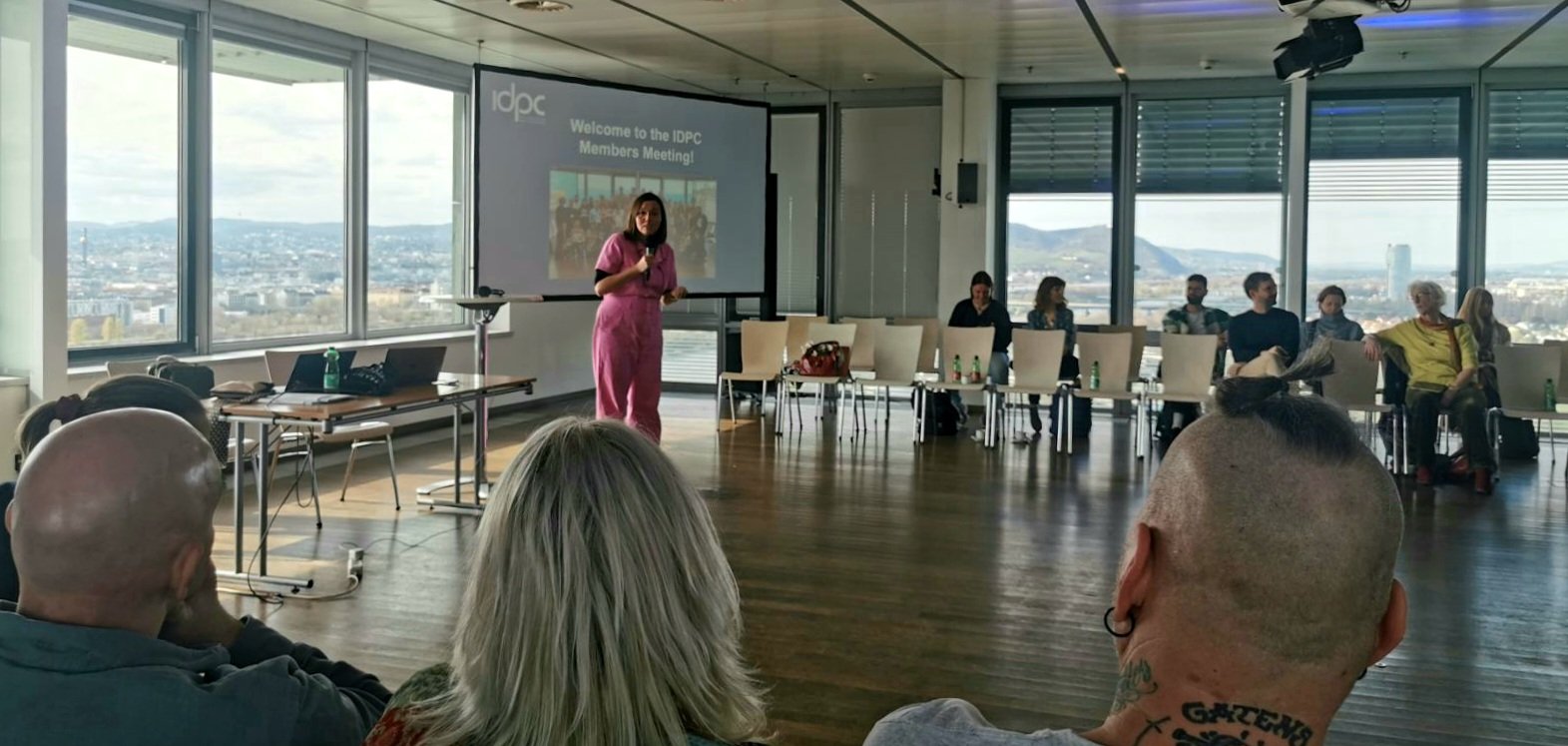
At the first day of the high-level segment of the UN Commission on Narcotic Drugs (CND), which took place in Vienna on 14th and 15th March 2024, a coalition of 60 countries led by Colombia took the floor at the opening of the event to call for the reform of the international drug control system, which has remained unchanged since the height of the “war on drugs”. The joint statement sounded the alarm on the catastrophic consequences of punitive drug policies, which fuel violence, corruption and environmental devastation, whilst undermining health, development and human rights.

The joint statement was preceded by a strong intervention by Colombian President Gustavo Petro, who described the current international system as “anachronistic and indolent”, and by an address by the United Nations own human rights chief, Volker Türk, urging “transformative change in global drug policy”.

This unprecedented call for global reform is the result of heightened frustrations over the current state of global drug policy. Despite overwhelming evidence on the devastation brought about by “war on drugs” policies, UN drug control bodies have refused to conduct a meaningful evaluation of the current approach. As a result, the UN summit started with the adoption of a weak politically negotiated document that mainly recycles commitments from the past decade – mostly because of the outdated tradition of adopting all UN political documents on drugs by consensus.

Joint statement, delivered by Colombia on behalf of 60 countries, among which are all 10 UN member states from South East Europe, is available following this link>>>.


Oregon’s U-turn on drug decriminalisation

Measure 110, which made Oregon the first state in the United States to remove criminal penalties for possession of a small amount of any drug, was and remains a historic turning point for the decriminalization movement. Sadly, the Oregon legislature has partially repealed the measure, creating new “drug enforcement misdemeanors” punishable by a term of supervised probation or up to 180 days in jail. Instead of taking steps to improve the health-based model, the legislature doubled down on criminal penalties, bowing to political pressure and an intense misinformation campaign by opponents, including the former chief of the prison system, business interests and law enforcement. Though this is undoubtedly a setback, Measure 110’s impact will reverberate for years to come.

What happened? And what lessons should we take to strengthen future decriminalisation reforms?

Read more at IDPC blog following this link>>>.


EU Drug Markets Analysis

The European Monitoring Centre for Drugs and Drug Addiction (EMCDDA) and Europol have published the EU Drug Markets Analysis: Key insights for policy and practice report. This resource has been developed by the EMCDDA and Europol and co-produced with the EMCDDA Reference Group on Drug Supply Indicators.

It draws on the detailed findings presented in EU Drug Markets: In-depth analysis, the fourth comprehensive overview of illicit drug markets in the European Union. It offers a strategic and top-level summary for policymakers and decision-makers, to support the development and implementation of policies and actions in Europe, based on a robust understanding of the current drug landscape and emerging threats. It also serves practitioners working in the field and is intended to raise awareness among the general public about these issues.

The report is available following this link>>>.


Call for proposals

The Correlation-European Harm Reduction Network (C-EHRN), the Eurasian Harm Reduction Association (EHRA), the Drug Policy Network South East Europe (DPNSEE), and the European Network of People Who Use Drugs (EuroNPUD) are pleased to announce a call for proposals.

This initiative aims to support local advocacy efforts of community-led and civil society organizations in Europe, enhancing access to comprehensive, people-centered health and harm reduction services for people who use drugs in European countries.

Applicants must be based in eligible countries, and proposed activities should align with the advocacy priorities stated in this call.

The Application form should be completed ONLINE.

Awarded grantees will receive ongoing mentorship support, the opportunity to participate in advocacy training, and a small grant of €3,000 for organizing advocacy-related activities, including policy dialogue meetings and events at the local level.

More information and application form are available at the BOOST webpage following this link>>>.


Heated discussion about cannabis regulation

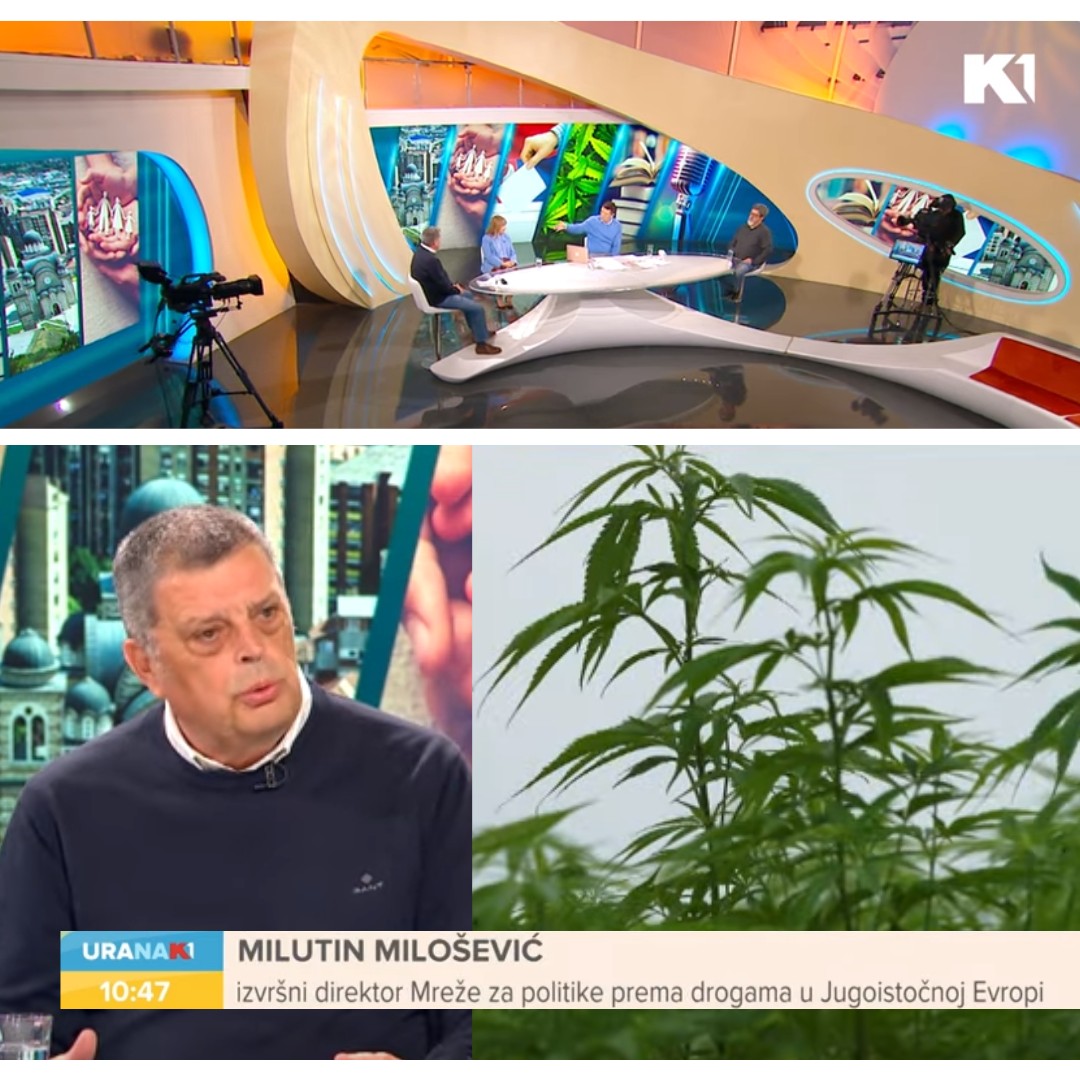
DPNSEE Executive Director Milutin Milošević participated in a TV debate about decision of the German parliament to lealise cannabis. Besides clarifying different aspects of that decision and informing about other modalities injurisdictions around the world, Milutin had to insist of some clear information about cannabis regulation and legal mechanisms for potential discussion and taking similar decision in Serbia.

The video from the debate (in Serboan) is available following the link bellow.


Germany legalised cannabis

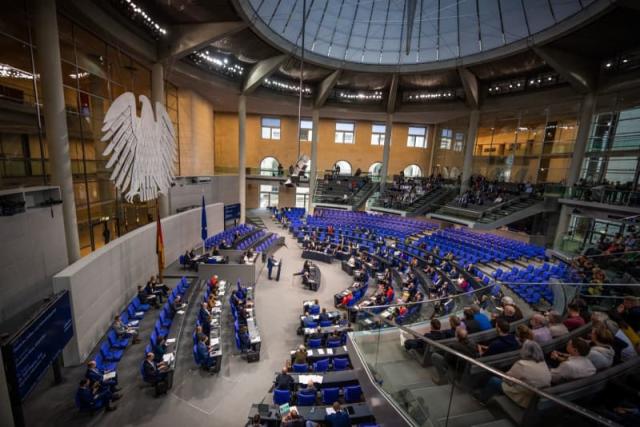
The German parliament’s lower house has adopted a new law to allow the recreational use of cannabis. 407 parliamentarians voted in favor of the new regulation, 226 voted against and four lawmakers abstained.

Possession of up to 25g and smoking will be allowed in public spaces from 1 April 2024. In private homes the legal limit will be 50g. Smoking cannabis in some areas, such as near schools and sports grounds, will still be illegal.

From 1 July, non-commercial members’ clubs, dubbed “cannabis social clubs”, will grow and distribute a limited amount of the drug. Each club will have an upper limit of 500 members, and membership will only be available to German residents. Growing your own cannabis will also be permitted, with up to three marijuana plants allowed per household.

Germany is the third country in Europe – after Malta and Luxembourg – to legalize the drug for recreational use, removing cannabis from the official list of banned substances.


Position paper on decriminalisation

Decriminalisation is defined as the removal of criminal sanctions for certain activities related to drug use and possession for personal use.

Several actors in the field of drug policy have indicated that a punitive approach is counterproductive to achieving the health and welfare of humankind. Many UN agencies have reported the negative impact of criminalization on people who use drugs and on their surrounding communities. Recommendations have also been brought that favour a decriminalisation process in drug policies. This process aims to remove the stigma against people who use drugs as well as ensure that they have access to a broad range of support and health services, including prevention, treatment, recovery, and harm reduction. The decriminalisation of drug use and related activities is a policy option that is widely supported by the United Nations as a core component of a human rights- and health-based approach towards people who use drugs.

The current EU Drug Strategy 2021-2025 endorses alternatives to coercive sanctions as an approach that respects the human rights of people who use drugs.

While some EU member states retain a stance of criminalising personal use and related behaviours in their national legislation, several member states have already decriminalised use and possession for personal use, and various EU member states have bills in their parliament to take that step as well.

The Civil Society Forum on Drugs (CSFD), an expert group of the European Commission, is of the opinion that the perspective established by the EU Strategy 2021-2025 – a balanced, human rights-based approach to drug policy – needs to be improved at the EU level and in member states.

After almost two years of discussions and balancing often oposite positions, CSFD produced this Position paper. DPNSEE is proud of being involved and even managed the process of agreeing on the final version of the document.

To access the Position paper, follow this link>>>.


Mental Health Challenges Faced by Harm Reduction Staff

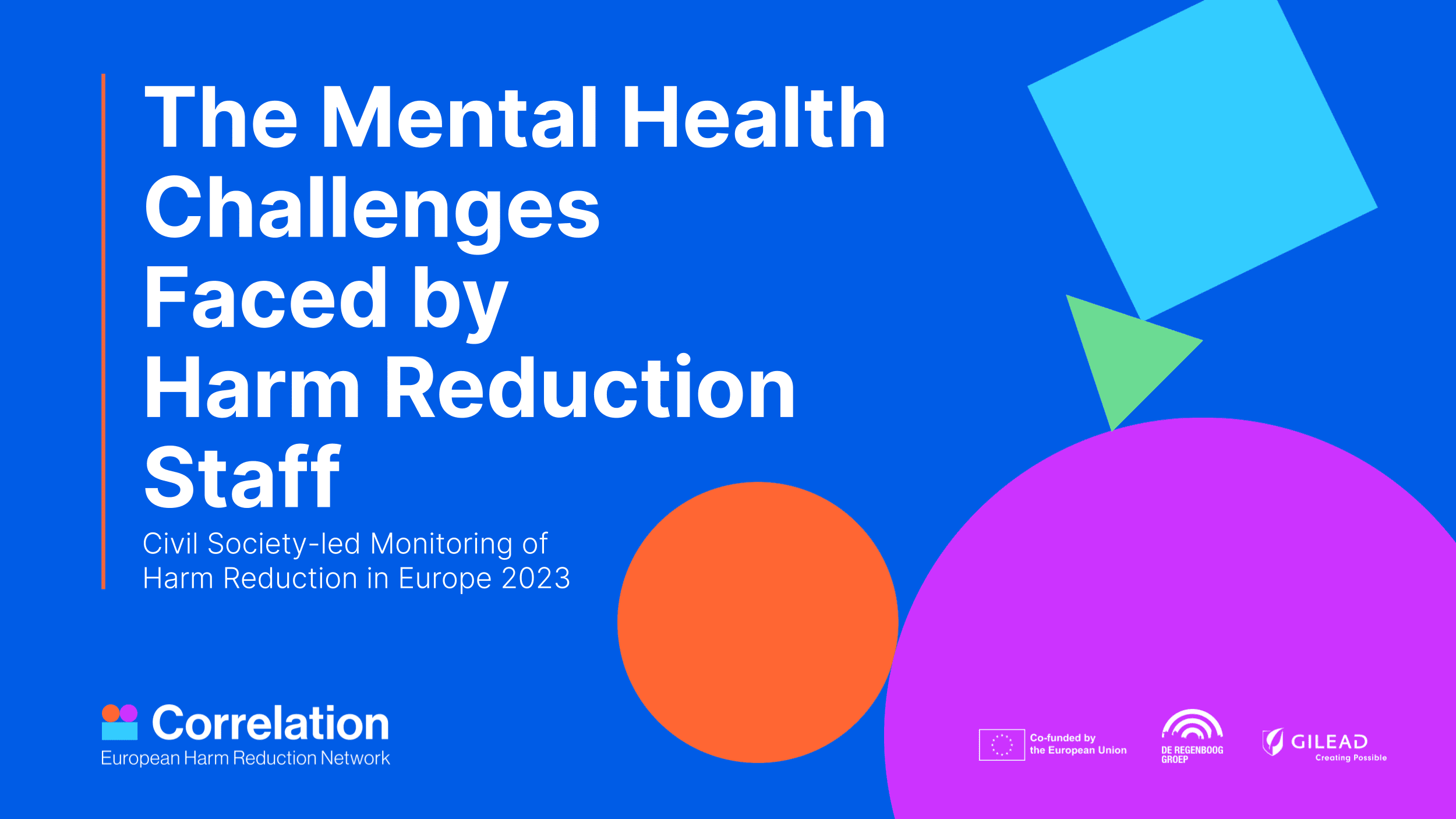
Correlation – European Harm Reduction Network (C-EHRN) published Civil Society-led Monitoring of Harm Reduction In Europe 2023 Data Report, dedicated to the well-being and working environment of harm reduction staff. The study focuses on the various challenges harm reduction workers encounter in their work and how those challenges affect them and their organisations, as well as coping mechanisms and organisational opportunities for support.

The participants in this study are identified as focal points within the C-EHRN. The network encompasses a diverse array of contributors, including grassroots and community-based organisations, service providers, drug user organisations, and research entities. Within this network, focal points act as hubs for collecting data and information on a broad range of issues related to harm reduction in the cities they work.

The report is available following this link>>>.


A new action plan in the field of addiction in Croatia

The Croatian Institute for Public Health, together with the Ministry of Health and the Ministry of Interior, presented the new Action Plan in the field of addiction for the period up to 2026. In order to achieve the priorities and special goals defined by the National Addiction Strategy for the period up to 2030, the Government of the Republic of Croatia adopted in January 2024 the first Action Plan (out of two that will accompany the implementation of the National Strategy).

It was pointed out that the trends speak in favor of the fact that in the last few years there has been an increased prevalence of the use of addictive substances, especially drugs, and new challenges are also brought by behavioral addictions (gambling, betting, playing video games, excessive use of the Internet and social networks).

The plan puts special emphasis on providing support in the implementation of scientifically based preventive programs, implementing recovery and rehabilitation programs, strengthening the competences of experts through systematic training on scientifically based prevention and treatment practices and current international and EU standards, creating guidelines, standards and protocols for ensuring quality implementation of interventions. In addition to the above, significant efforts are focused on timely detection and monitoring of the emergence of new psychoactive substances and associated health risks through the national Early Warning System.

To access the Action plan (in Croatian), follow this link>>>.


Call for the Regional Youth Partnerships Network Members

The Belgrade Centre for Security Policy opened the Regional Youth Partnerships program aimed to develop the next generation of changemakers by providing exceptional opportunities to learn, create, share, and connect through a wide range of activities, such as:

  • Large and small Network meetings on a range of different topics, the first of which is the Regional Peacebuilding Academy scheduled for April 21st – 26th
  • Community-based collaborative projects as a foundation for ongoing Network engagement
  • Small-scale research initiatives and analyst exchanges between Bosnia and Herzegovina, Kosovo and Serbia
  • High-level regional conferences and meetings with local and foreign stakeholders.

The program is seeking applications from young, civic-minded professionals who want to meaningfully connect across the Western Balkans region. Sixty-six young professionals between the ages of 19 and 32 will be selected. These professionals should be residents of Bosnia and Herzegovina, Kosovo, and Serbia (equally represented, 22 people from each).

Deadline for applications is 29 February 2024.

More information are available following this link: https://bezbednost.org/en/open-call-for-the-western-balkans-regional-youth-partnerships-network-members/.