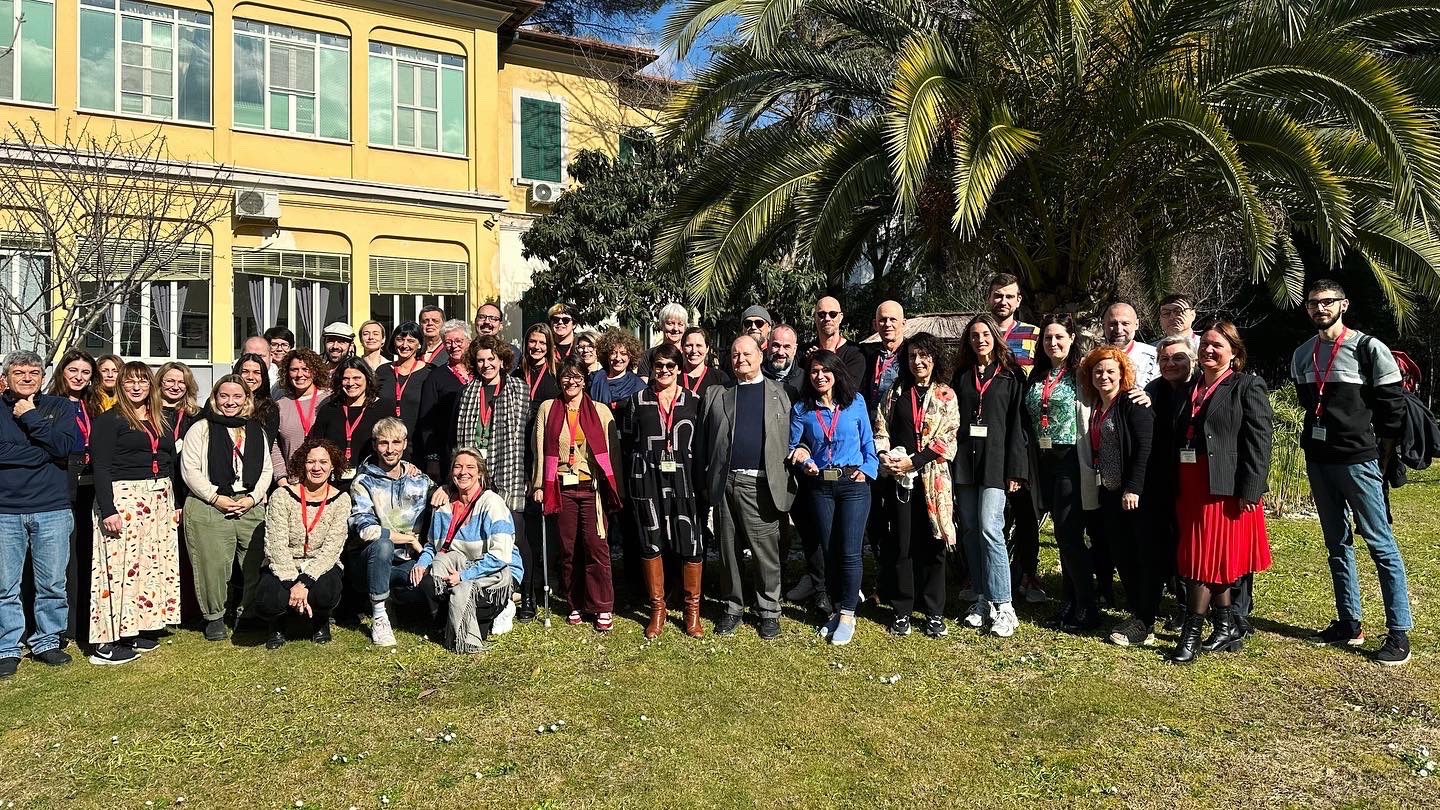
The Correlation-European Harm Reduction Network (C-EHRN), the Eurasian Harm Reduction Association (EHRA), the Drug Policy Network South East Europe (DPNSEE), and the European Network of People Who Use Drugs (EuroNPUD) are proud to announce the recipients of grants from the recent call for proposals under the BOOST project. This initiative supports local advocacy efforts aimed at enhancing access to comprehensive, people-centered health and harm reduction services for people who use drugs in European countries.
The awarded organizations, each receiving a grant of €3,000, are:
- ARAS – Romanian Association Against AIDS, Romania
- XADUD, Xarxa de Dones que usen drogues (cat) – Network of Womxn Using Drugs (en), Spain
- HuNPUD – Hungarian Network of People Who Use Drugs, Hungary
- HOPS-Healthy Options Project Skopje, North Macedonia
- R3 – Riscos Reduzidos em Rede, Portugal
- BerLUN – Berliner und internationale Gemeinschaft der drogenkonsumierenden Menschen, Germany
The competition for these grants was notably high, with 22 organizations submitting applications. We are particularly pleased to see an overwhelming interest in the advocacy grant, with nearly half of the applications coming from community groups of people who use drugs. While many applications were of high quality, funding limitations allowed for only six awards.
The selection process was rigorous, with a panel comprising representatives from EHRA, C-EHRN, DPNSEE, and EuroNPUD, who assessed proposals based on their alignment with advocacy priorities, quality, potential impact on harm reduction services, and organizational experience.
These organizations have demonstrated a strong commitment to developing and implementing robust local advocacy plans that align with one or more of the priority areas of our Joint European Advocacy Strategy for 2024-2028. The strategy focuses on increasing political will and financial sustainability for community based and community-led harm reduction, promoting community-driven solutions tailored to diverse needs of people who use drugs, ensuring access to essential health services, and achieving universal access to comprehensive care for people who use drugs.
In addition to financial support, the grantees will benefit from ongoing mentorship, participation in an advocacy training workshop, and assistance in organizing policy dialogue meetings and events at the local level. These efforts are part of the broader BOOST project, funded by the EU, which aims to strengthen the capacity of community-based and civil society organizations in their critical work.


 The aim of the meeting was to finalize the European Advocacy Strategy, ensuring comprehensive access to HIV, HCV, and TB services for people who use drugs, based on online dialogues and consultations with regional network governing bodies.
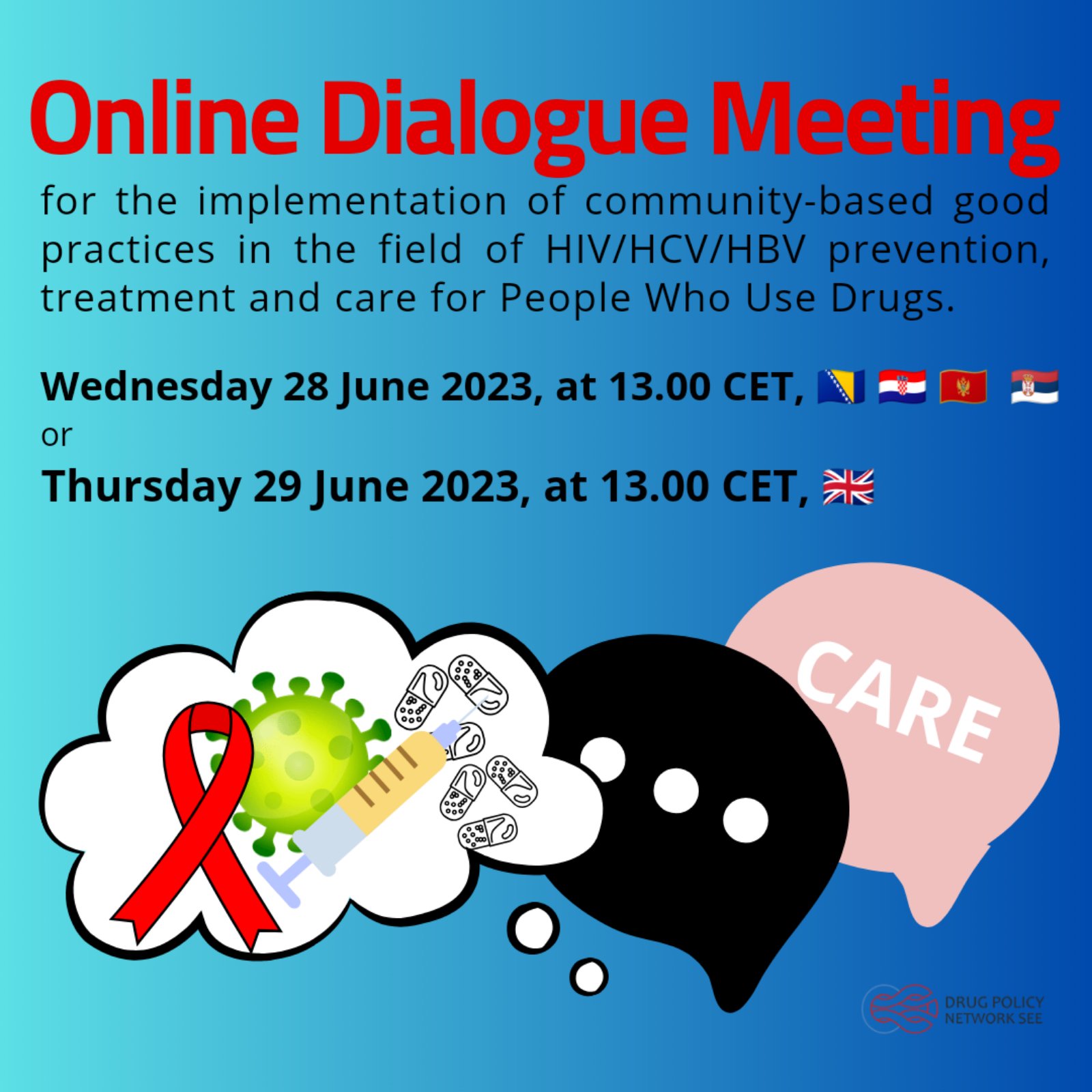
 The Drug Policy Network South East Europe (DPNSEE) organised two regional online dialogues as part of the
  Financing and sustainability of support services pose significant challenges, and the civil sector’s operational space is limited, reflecting a lack of motivation among institutions and decision-makers to enhance the quality of life for these communities. Existing laws related to these communities are problematic, as is the complex and exclusionary nature of accessing healthcare services and treatment programs. Official registers or record-keeping mechanisms are often lacking, and strategies are frequently rewritten without effective implementation.