Challenges and perspectives in the field of addiction prevention – the first expert conference about contemporary approaches and models of work with children and youth in Bosnia Herzegovina was held on 26 and 27 of June 2019 in Sarajevo. Association for addiction prevention NARKO-NE within the RIPPO network organised the conference with the support of the Ministry of civil affairs, Ministry of human rights and refugees and Ministry of security.
The conference aimed to focus on the importance of an inter-sectorial approach, to sensitize the general public to problems of addictive and risky behaviours and to contribute to the professionalization and multidisciplinary development of the respective field in Bosnia Herzegovina.
The main conclusion of the Conference is that a joint work, as the society, is needed to create a safe environment, but that there are too much organisations and institutions that work on the issues of prevention and that they are not equally distributed.
Besides plenary inputs and discussions, 18 workshops were offered to participants. Among them, the DPNSEE Executive Director Milutin Milošević run one on Models of addiction prevention on environmental (structural) level. During the workshop, DPNSEE and its member organisations activities on strategies and action plans development and improving legislation on drug policy in countries of South East Europe were presented.
More information about the Conference are available on the website konferencija.prevencija.ba – including all the presentations which will be posted by the end of July.
Milutin with Aleksandra and Milena from “Čovekoljublje”
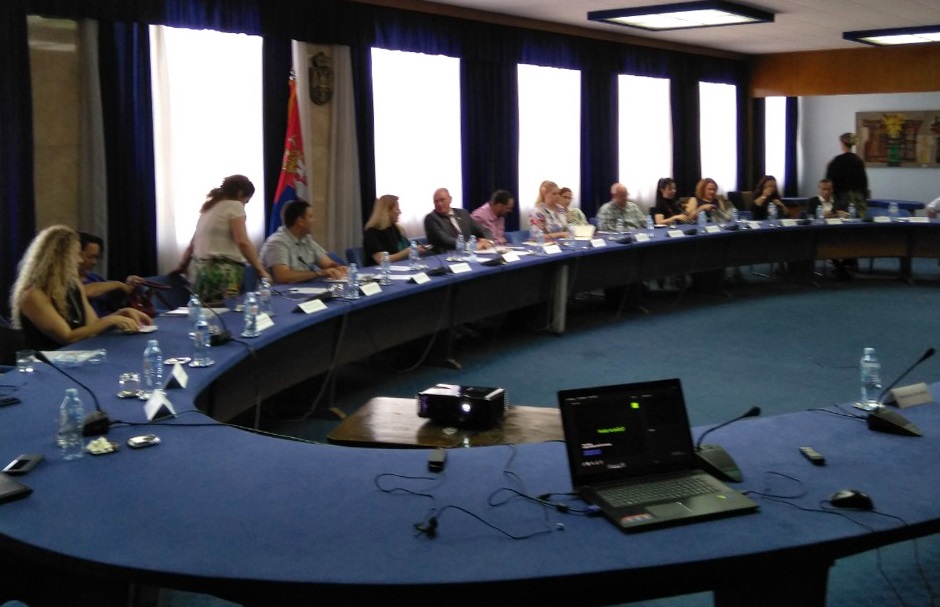
The Office for combating drugs of the Government of the Republic of Serbia organised a conference in occasion of the International Day against Drug Abuse and Illicit Trafficking in Belgrade on 26 June 2019. Representatives of international organisations, governmental institutions, civil society and media joined to hear about latest experiences and successful stories in fighting drug abuse and support to the people who use drugs.
After the welcome and introductory speech from the Director of the Office Milan Pekić, presentation followed:
A comparative analysis of the statistic data about drug seizures in 2018 – Radomir Popović, Office for combating drugs
Modern approach to treatment and curing drug addiction – Dr Diana Raketić, Special hospital for addictions
Psycho-social interventions and re-integration process of people with drug disorder in Serbia – Milka Kalaba, The Ministry of Labour, Employment, Veteran and Social Policy
Misuse of drugs in adolescence – Dr Svetislav Mitrović, Institute for mental health
New psychoactive substances and new trends in drug use – Dr Jelena Janković, Ministry of Health
Treatment of addiction of people in prisons – Dr Maja Paunović, Special prison hospital
Role of media in drug prevention and fighting stigma of ex-drug addicts – Mladen Mijatović, Member of the Committee for fighting narcomania in schools
The civil society had an important role too with Aleksandar Žugić from the Association Izlazak presenting Evaluation of multi-sectorial meetings they held in local communities, while Irena Molnar from NGO Re Generacija spoke about the “Support. Don’t Punish” campaign. She also presented the results of the research on “Discrimination of people who use drugs” prepared by DPNSEE.
The conclusion of the conference is that cooperation between different stakeholders is very much needed, as well as education of people from different professions (health workers, police, teachers and others, including civil society activists) on drug addiction and human rights.
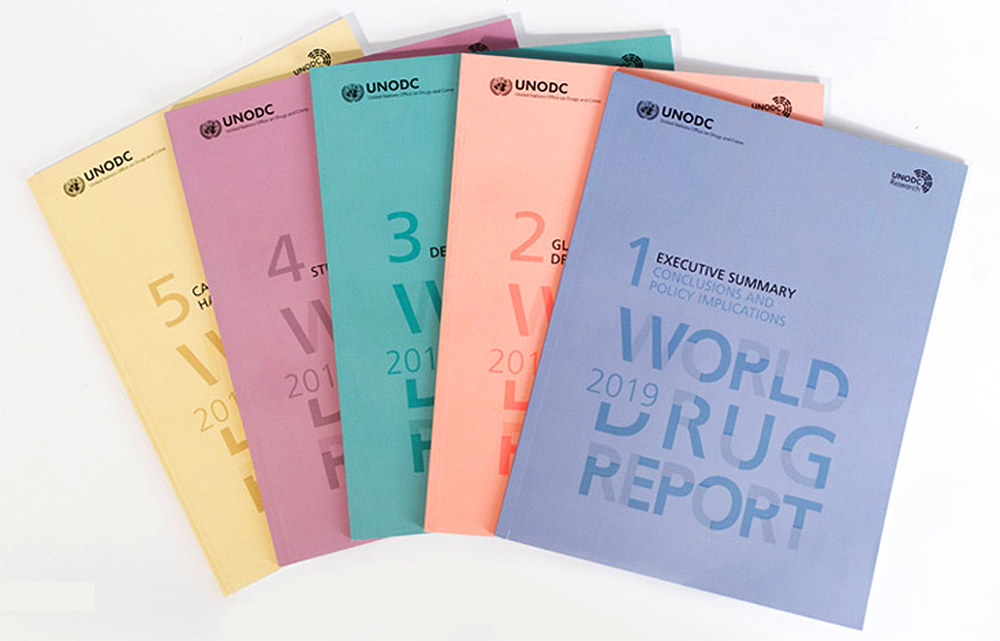
On the occasion of the International Day Against Drug Abuse and Illicit Trafficking, the United Nations Office on Drugs and Crime (UNODC) presented the 2019 World Drug Report.
The World Drug Report 2019 is again presented in five separate parts that divide the wealth of information and analysis contained in the report into individual reader-friendly booklets in which drugs are grouped by their psychopharmacological effect for the first time in the report’s history.
Booklet 1 provides a summary of the four subsequent booklets by reviewing their key findings and highlighting policy implications based on their conclusions. Booklet 2 contains a global overview of the latest estimates of and trends in the supply, use and health consequences of drugs. Booklet 3 looks at recent trends in the market for depressants (including opioids, sedatives, tranquillizers and hypnotics), while Booklet 4 deals with recent trends in the market for stimulants (including cocaine, amphetamine-type stimulants and new psychoactive substances). Booklet 5 contains a review of recent trends in the market for cannabis and for hallucinogens. The section on cannabis also includes a review of the latest developments in the jurisdictions that have adopted measures allowing the non-medical use of cannabis.
As in previous years, the World Drug Report 2019 is aimed at improving the understanding of the world drug problem and contributing towards fostering greater international cooperation for countering its impact on health, governance and security.
In 2017, an estimated 271 million people, or 5,5 per cent of the global population aged 15-64, had used drugs in the previous year. Globally, some 35 million people are estimated to suffer from drug use disorders and who require treatment services (only one in 7 people who need support gets it). The Report also estimates the number of opioid users at 53 million, up 56 per cent from previous estimates, and that opioids are responsible for two thirds of the 585,000 people who died as a result of drug use in 2017. 11 million people injected drugs in 2017, of whom 1.4 million live with HIV and 5.6 million with hepatitis C.
“The findings of this year’s World Drug Report fill in and further complicate the global picture of drug challenges, underscoring the need for broader international cooperation to advance balanced and integrated health and criminal justice responses to supply and demand,” said Yury Fedotov, UNODC Executive Director.
Commenting the Report, Science for Democracy’s Coordinator Marco Perduca emphasized that “The theme of this year’s international day was “health for justice and justice for health”, though the disastrous impacts on the health of who is prosecuted, if not persecuted, for drug-related crimes is not acknowledged in the report. Much more is still invested in the securitarian and penitentiary aspect rather than the socio-sanitary one. All of this despite the increase in consumption and in particular problematic consumption. And yet, the Report ends with a recommendation about the necessity of providing help to those in need (only one in 7 people who need support gets it).”
New York based organisation Filter notes in their article that “the report failed to significantly evaluate widespread drug-associated human rights abuses—inherent to prohibition and accelerated by the ascendancy of far-right leaders“. There, Heather Haase, chair of the New York NGO Committee on Drugs, commented that “One thing that stood out in the report was, there was no section on human rights. That’s a huge issue in drug policy.”
Our Albanian colleagues from the organisation Aksion Plus organised a sensitization campaign in the cities of Durres and Tirana in May and June 2019 as their contribution to the Support. Don’t Punish campaign.
On 9 May, a workshop was organized with the students of “5 October” High School. This workshop consisted in informing young people about drug use based on Aksion Plus’s many years of experience in providing services, awareness campaigns focusing on drug use as well as publishing of informative materials. Young students were also organized into work in groups in order to have everyone’s involvement and engagement. Additionally, a presentation by some of the school youth about their knowledge of the phenomenon of drug use was presented.
The focus of the meeting held on 16 May in the University of New York was the discussion with prospective professionals on issues that affect the reality of drug users, HIV / AIDS, giving special importance to prevention and damage reduction policies. These realities are already noticeably tangible in every part of society. Also discussed about the “Support, Don’t Punish” campaign.
This workshop in the High school “Charles Telford Erickson” held on 23 May consisted in informing students about drug use based on Aksion Plus’s many years of experience in providing services: Methadone Maintenance Therapy, Psychological Counselling, HIV Testing, Chlamydia, Gonorrhoea, Syphilis, Hep B, Hep C and awareness campaigns. It was presented a video. Young students were also organized into work in groups in order to have everyone’s involvement and engagement.
This workshop in the High school “Gramoz Palushi”, including 4 representatives of Caritas Albania, was held on 14 June. A video was presented. Young students were also organized into work in groups in order to have everyone’s involvement and engagement. The goal was to involve all students in an interactive way. At the end of the workshop, some space was left for their questions, comments about what was discussed, and what suggestions they had about future workshops.
The EU Civil Society Forum on HIV, TB and Hep working group on access to medicines is inviting you to contribute to a short survey on medicines shortages for the treatment of hepatitis B&C, HIV, TB and OST in 2019. The deadline for contribution is 27 June 23:59 CET.
The data collected and summarized will be used in a meeting with the European Commission with other civil society partners on 1 July 2019 to back a request for an investigation into the causes of shortages in order to improve understanding of the situations and possible solutions.
For the launch of the Global Day of Action, DPNSEE organised a “Kick-off event” to start the campaign in South East Europe. The event was held in the EU Info Centre in Belgrade, Kralja Milana 7, on 19 June 2019.
Besides journalists, representatives of colleague civil society organisations, UN agencies, Office for combating drugs and political parties were present.
Representatives of the Network presented the key findings from baseline research on “Documenting Drug Related Cases of Discrimination”. This small scale research aims on raising awareness on existing discrimination in different areas of everyday life, map the situation and make a base for the further advocacy actions in decreasing stigma and discrimination towards people who use drugs.
DPNSEE also presented the proposal for decriminalisation of drug use and possession made to the Working group on changes to the Criminal Law in Serbia. The proposal was submitted to the Working Group for amendments to the Criminal Law but unfortunately was not supported.
DPNSEE member organisation Prevent presented results of the regional project “Budget Advocacy Monitoring in South East Europe” in Serbia. That included analysis of the national budgets for 4 last years with a specific focus on health and harm reduction, execution of the budget and excises, and the Declaration for sustainable national response to HIV.
Re Generation presented the results of their research “How the closing of the needle exchange programs affected the access to harm reduction services in two cities – Belgrade and Budapest“.
Finally, DPNSEE representatives presented the activities in the region in scope of the Support. Don’t Punish campaign.
In an article for the Open Access Government, a digital publication that provides an in-depth perspective on key public policy areas from all around the world, Dineke Zeegers Paget, Executive Director of the European Public Health Association (EUPHA) presented her views on the new challenges for public health in the 21st century.
She focused on five challenges for public health in the coming decades
Changing demographics in Europe
Technological and digital revolution
Political influence on public health
Influence of vested interests
New ethical issues of the 21st century
To overcome all the challenges, old and new, Dineke thinks that we need to:
Be deliberately collaborative by forging broad alliances in and outside the field of public health to get our message across;
Be open-minded to engage with partners, including politicians, to jointly come to solutions that have a broad support base;
Tell compelling narratives, which address the concerns that people have in a way that people understand; and
Be transparent and open about potential uncertainties surrounding the evidence-base.
35 participants including civil society representatives, CCM members, Global Fund Portfolio Manager, experts from neighbouring countries and representatives of the governmental structures gathered in Bucharest on 13 – 14 of June at a workshop “Transition from the Global Fund support of TB program to national funding: understanding the role, opportunities and priorities for civil society in Romania” to discuss what they can do for a greater sustainability of the country’s responses to the TB and HIV epidemics.
Based on the Global Fund Board’s decision in November 2016 on the allocation of resources for the 2017-2019 allocation period, Romania has been allocated € 4,052,972 for tuberculosis and building resilient and sustainable systems for health. The implementation of this new TB grant in Romania formally started in March 2019 and it is planned to finish its implementation in March 2021. This grant is being considered as the last TB grant for the country to support the transition processes. Although the new Global Fund 2019 Eligibility List does mention Romania as being eligible for TB funding again, yet, the eligibility does not guarantee an allocation, and it is not clear if Romania will be allocated any further funding to support the TB response in 2020 – 2022.
Although Romania is ineligible to receive Global Fund funding for HIV response since 2010 when its last Global Fund HIV grant came to an end, the current “transition grant”, as well as all previous TB grants to Romania, includes a significant component on HIV prevention among key affected populations (KPs). Therefore, civil society mobilization for joint advocacy to ensure the domestic funding of HIV prevention activities among KPs is essential.
At the same time, according to the Global Fund’s Eligibility List 2019 Romania may be eligible for an allocation for HIV/AIDS for non-governmental or civil society organizations if the country demonstrates the barriers to providing funding for interventions for key populations, as supported by the country’s epidemiology. The Global Fund Secretariat will assess whether the criteria have been met at the time of determining allocations for the 2020-2022 allocation period. The decision on the countries‘ allocations within the next 2020-2022 allocation period to be made by the Global Fund Board in November 2019.
Support. Don’t Punish is a global grassroots-centred initiative in support of harm reduction and drug policies that prioritise public health and human rights. The campaign seeks to put harm reduction on the political agenda by strengthening the mobilisation capacity of affected communities and their allies, opening dialogue with policy makers, and raising awareness among the media and the public.
The Drug Policy Network South East Europe coordinates activities of the campaign in South East Europe around the Global Day of Action 26 June – which is also the United Nations’ International Day against Drug Abuse and Illicit Trafficking.
The campaign 2019 shall have in South East Europe:
9 countries
11 cities
20+ organisations
40+ activities
200+ volunteers
000+ citizens informed
Various social networks
Organisations around the region will organise raising awareness events, lectures and workshops, creating and promoting guidelines on human rights, banner and pictures campaigns, producing videos, photo exhibitions, disseminating promotional materials, meetings with the local authorities, public debates and press conferences, pub quizzes, collecting and distributing personal hygiene items for women, marches on city centres, showing movies and documentaries, taking photos in a selfie cab, and much more.
For the launch of the Global Day of Action, DPNSEE will organise “Kick-off event” to start the campaign in South East Europe. The event will be held in the EU Info Centre in Belgrade, Kralja Milana 7, on 19 June 2019 at 10h.
The European Monitoring Centre for Drugs and Drug Addiction (EMCDDA) issued today their regular annual European Drug Report. The Report provides a comprehensive analysis of recent drug use and market trends across the European Union (EU), Norway and Turkey.
The 2019 report highlights in particular an increase in cocaine availability with seizures at a record high, amounting to 140.4 tonnes, double the quantity seized in 2016 (70.9 tonnes). Although the retail price of cocaine remained stable, its purity at street level reached its highest level in a decade in 2017.
The report notes the “Uberization” of the cocaine trade, where users and dealers use smartphones, messaging apps and satellite navigation to obtain the drug. Enterprising criminals have set up “cocaine call centres” across Europe to provide fast and flexible delivery services.
Heroin is still the most common illicit opioid on the drug market in Europe and is a major contributor to drug-related health and social costs. The quantity of heroin seized in the EU increased by over a tonne in 2017 to 5.4 tonnes, with an additional 17.4 tonnes seized by Turkey (some of which would have been destined for the EU market). Laboratories producing heroin from morphine using this precursor have been discovered in recent years in EU countries (Bulgaria, Czech Republic, Spain and the Netherlands). Heroin purity remains high and the retail price relatively low.
Belgium has overtaken Spain as the hub of the fast-growing European drug market. Belgium is playing an enlarged role in both the distribution and production markets of cocaine, methamphetamines and other illicit drugs, such as ketamine and GBL. The report also shows that Belgium, together with the Netherlands, is one of the main production centres for MDMA.
The Report also explores the challenges associated with new synthetic opioids, the latest developments in the cannabis market and synthetic drug production in Europe. Production of synthetic drugs appears to be ‘growing, diversifying an The purity of methamphetamine and amphetamine is higher than a decade ago, with 0.7 tonnes of methamphetamine and 6.4 tonnes of amphetamine seized in the EU in 2017. d becoming more innovative’ with methamphetamine posing the “greatest challenge”.
Legal recreational cannabis markets in some countries outside the EU were leading to “innovative” new products that presented difficulties for detection and control when entering the continent. The report points to fentanyl as a problem drug in Estonia, buprenorphine in Finland and the Czech Republic and methadone in Germany and Denmark. 11 new synthetic opioids were detected in 2018, including six new fentanyl derivatives. Since 2009, there have been 34 fentanyl derivatives detected in Europe, the EU agency says.
One in five people entering drug treatment facilities for an opioid-related problem “now reports a synthetic opioid, rather than heroin, as their main problem drug; and these drugs are becoming more commonly detected in drug overdose cases”. Around 8.200 people died of an overdose in Europe in 2018, according to the Report, around 300 more than in 2017. Most of the overdoses were not due to cocaine or other drugs, but rather opioids (heroin-induced), which made up 78% of all deaths. Researchers say the number of deaths could be 20% to 30% higher due to potential underreporting by member states. The spread of HIV has decreased by 40% over the past decade.
Providing people who inject heroin, or other drugs, with greater access to prevention, testing and treatment for HBV and HCV is central to combating viral hepatitis as a public health threat in line with the global 2030 Agenda for Sustainable Development, as they are the people with the highest burden of disease and at highest risk of transmission.
Mobile health applications are increasingly used in prevention, treatment and harm reduction.


 Challenges and perspectives in the field of addiction prevention – the first expert conference about contemporary approaches and models of work with children and youth in Bosnia Herzegovina was held on 26 and 27 of June 2019 in Sarajevo. Association for addiction prevention NARKO-NE within the RIPPO network organised the conference with the support of the Ministry of civil affairs, Ministry of human rights and refugees and Ministry of security.
 After the welcome and introductory speech from the Director of the Office Milan Pekić, presentation followed:
 On the occasion of the International Day Against Drug Abuse and Illicit Trafficking, the United Nations Office on Drugs and Crime (
 To read The World Drug Report 2019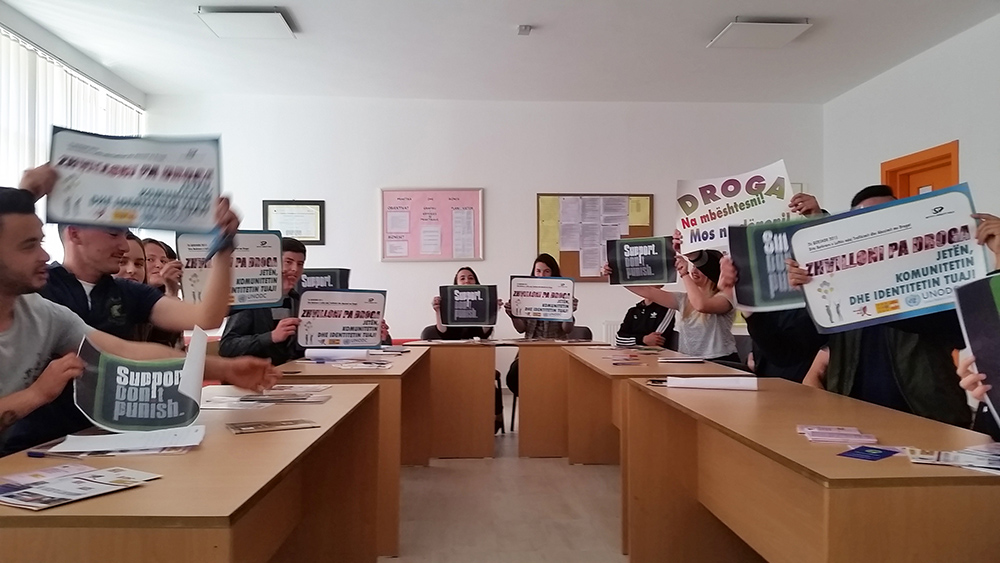


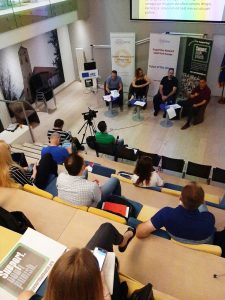 For the launch of the Global Day of Action, DPNSEE organised a “Kick-off event” to start the campaign in South East Europe. The event was held in the EU Info Centre in Belgrade, Kralja Milana 7, on 19 June 2019.


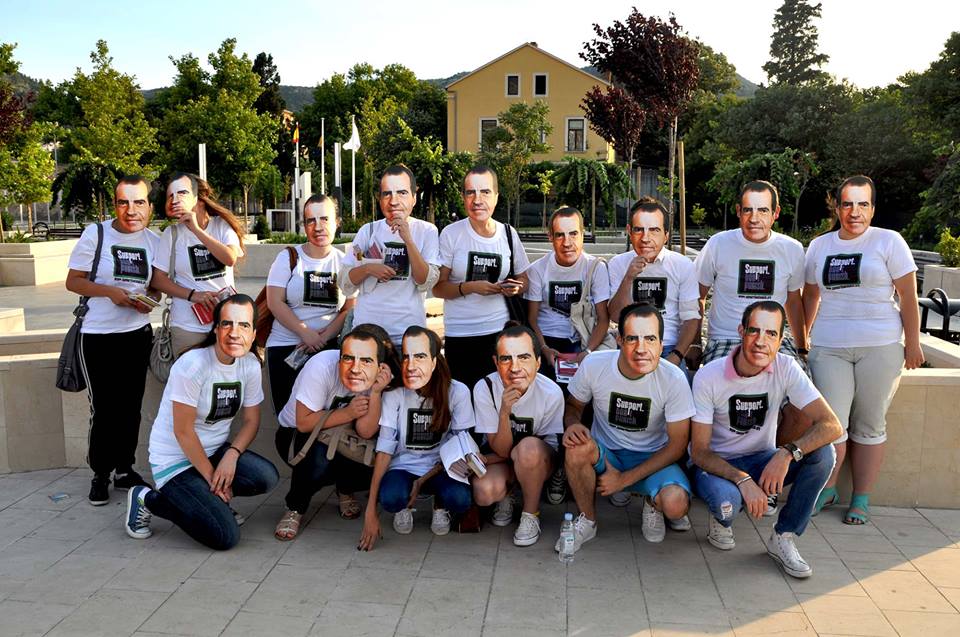
 The Drug Policy Network South East Europe coordinates activities of the campaign in South East Europe around the Global Day of Action 26 June – which is also the United Nations’ International Day against Drug Abuse and Illicit Trafficking.