‘Right to asylum in the Republic of Serbia 2022’ report presented

The Belgrade Centre for Human Rights (BCHR) presented its annual report Right to Asylum in the Republic of Serbia 2022 at a press conference in the Belgrade Media Centre on 28 February. The report was presented by UNHCR Representative in Serbia Soufiane Adjali, BCHR Executive Director Sonja Tošković, BCHR Asylum and Migration Programme Coordinator Anja Stefanović, Report Editor Ana Trifunović and BCHR Asylum and Migration Programme Senior Integration Adviser Jelena Ilić.

According to the data of the Serbian Commissariat for Refugees and Migration, over 119,000 refugees and asylum seekers stayed in the Serbian asylum and reception centres in 2022, or twice as many as in 2021, said the Report Editor, Ana Trifunović.

Serbia issued 1,115 rulings granting temporary protection mostly to Ukrainian nationals, in accordance with the temporary protection mechanism activated after Russia’s invasion of Ukraine, said Trifunović.

The arrival of Ukrainian nationals in Serbia was facilitated by the visa-free regime and they applied for temporary protection on arrival. In BCHR’s experience, the application of the temporary protection mechanism was relatively smooth. The people who fled Ukraine mostly stayed in private lodgings and many of them have friends and relatives, even spouses, here. The Serbian Government designated the Vranje Asylum Centre for the accommodation of exclusively Ukrainian refugees,” Asylum and Migration Programme Coordinator Anja Stefanović said, adding that most Ukrainian refugees wanted to return to their country as soon as circumstances permitted.

Jelena Ilić, a Senior Integration Adviser with BCHR’s Asylum and Migration Programme, said that 230 refugees in 2022 asked BCHR to help them pursue their education or access the labour market in Serbia.

She said that BCHR in 2022 represented 94 Ukrainian clients, as well as clients from Burundi, Iran and Libya, in procedures for accessing their economic and social rights.

Only 23% of the foreigners between 20 and 56 years of age who asked us to help them access their right to work or education spoke Serbian. Four BCHR’s clients have enrolled in Serbian colleges since 2021,” said Ilić.

The report is available in Serbian and English.


Visit to the Duga Checkpoint centre

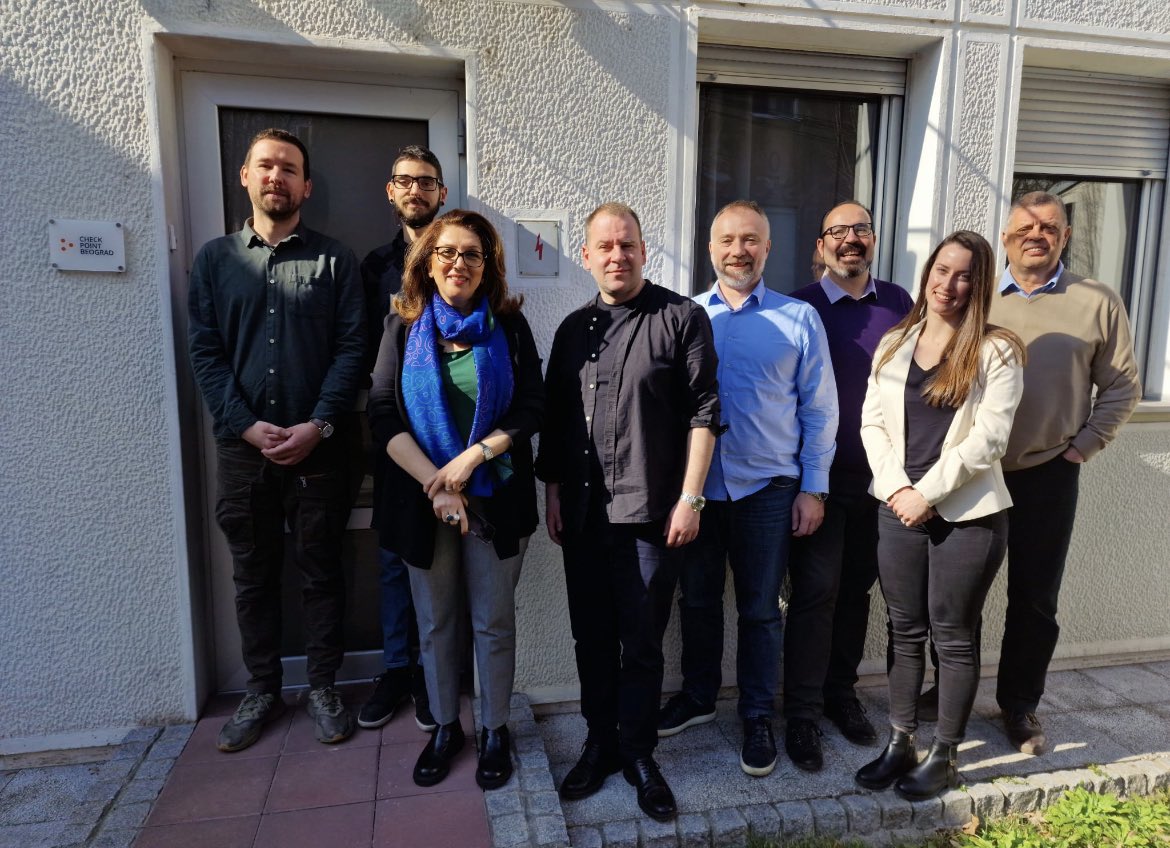
Representatives of the United Nations Office for Drugs and Crime (UNODC) Ms Fariba Soltani, Chief, HIV/AIDS Section and Global Coordinator for HIV/AIDS, Ms. Gorica Popović, Specialist, Law Enforcement and HIV and Ms Žana Glavendekić, the Regional Project Officer for Drug Demand Reduction visited the Duga Checkpoint centre in Belgrade and met with community-led organizations working on HIV and harm reduction services for key populations.

It was an opportunity to share about services which Prevent, TOC, Duga and ReGeneration provide and to discuss operational issues related to implementation of the UNODC-led project “Emergency support for the provision of HIV and Harm Reduction services among key populations in Ukraine and refugees in selected neighbouring countries”.

The BOOST project launch

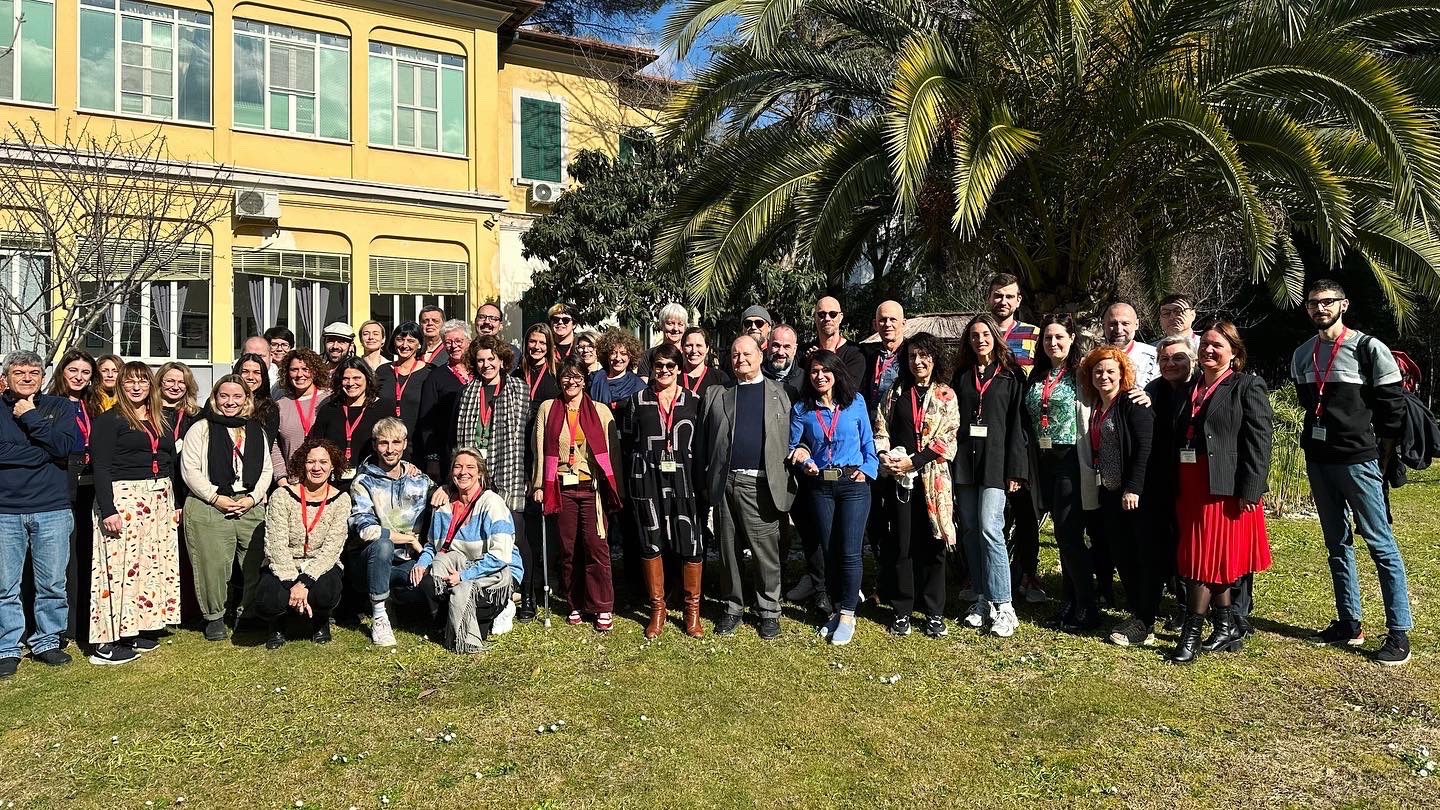
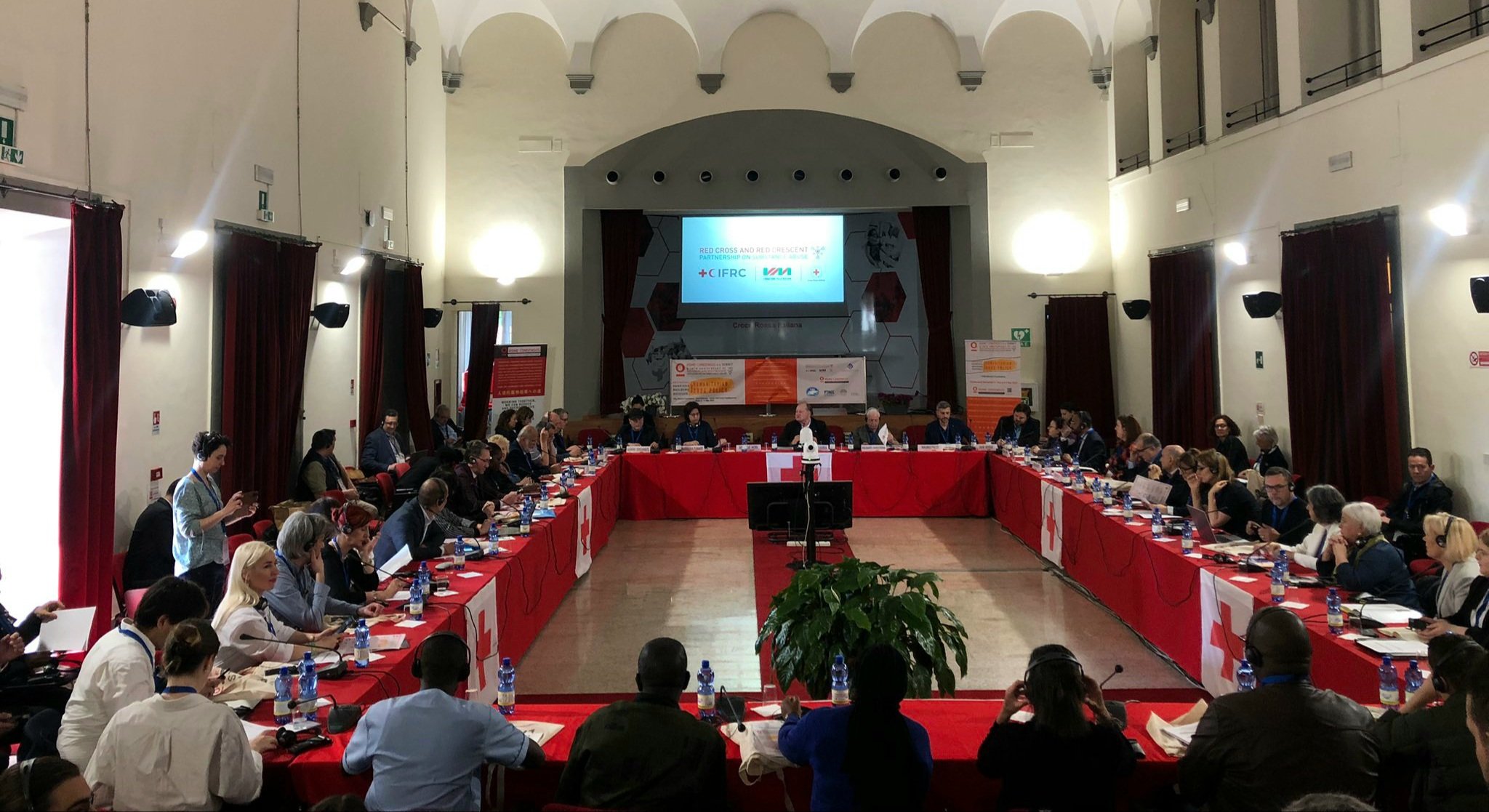
DPNSEE President Nebojša Djurasović and Executive Director Milutin Milošević participated at the first meeting of the BOOST Project in Rome 13 – 14 of February. 45 participants from more than 20 organisations joined in the Fondazione Villa Maraini in Rome.

The main aim of the BOOST project is to enhance the implementation of high-quality community-based & community-led communicable disease services as part of a comprehensive, people-centred and integrated harm reduction approach. To ahieve its goal, over the next three years, together with our partners we will focus on four key areas:

  • INFORM – providing a collection of up-to-date information and data on current practice and quality of community-based and community-led services.
  • IMPROVE – supporting the organisation of capacity building activities in the field of communicable diseases, indluding the use of digital tools.
  • SUPPORT – enhancing the scale-up of integrated community-based good practices building up existing models of good practice.
  • CONNECT & ACT – strenghtening and consolidating existing civil society networks and fostering advocacy interventions for the improved implementation comunity-based and community-led good practices oriented towards the needs of people who use drugs at European, national and local levels.

BOOST Project is founded by the EU4Health programme of the European Union, under the Action Grants to support the implementation of best practices in community-based services for HIV, AIDS, viral hepatitis and sexually transmitted infections. Partners include the Eurasian Harm Reduction Association, EuroNPUD, Free Clinic, Podane Ruce, LILA Milano, Asociacion Bienestar y Desarrolo, IGTP/ICO, ISGlobal, Foundazinone Villa Maraini. Supporting the projects work, the project with count with Scientific Advisory Board and the collaboration of organizations such as DPNSEE, ReGeneration, ARAS Foundation, AIDS Action Europe, among others.

Time for a new European approach on drug policy say people who use drugs

The EU DG Home Commissioner Ylva Johansson and her Belgian colleague Annelies Verlinden issued a statement regarding organised drug crime as threatening as terrorism, in which they emphasized a conservative and stigmatising approach to drug use. Their stament is quoted in the news here>>>.

The European Network of People who Use Drugs issued the following statement:
EuroNPUD was shocked to see the outdated and off-policy statements of EU Home Affairs Commissioner Ylva Johansson and Annelies Verlinden Belgium’s Minister for the Interior during a visit to Antwerp Docks holding people who use drugs responsible for violence committed by organised crime.  It is extremely unfortunate that EU Home Affairs Commissioner, Ylva Johanson is not only using such outdated and stigmatizing language but also promoting the outdated vision of a drug free world.

 It is deeply concerning to hear such closed thinking from European leaders when across Europe we are seeing an increasingly pragmatic and reflective approach to drug policy reform, including initiatives on medicinal cannabis, the legal regulation of cannabis for adult use, psychedelic drugs and healing, and enhanced harm reduction such as drug consumption rooms, drug checking and heroin assisted treatment.

 Commissioner Johansson’s statement are also contrary to the EU’s very own Drug Strategy 2021-2025, which calls for EU action to reduce stigma against people who use drugs, and promotes increased and balanced investment in a broad range of demand and harm reduction services, discarding old-fashioned emphasis on prevention.

 All UN agencies signed up to the UN Common Position on Drugs, which “reiterates the strong commitment of the United Nations system to supporting Member States in developing and implementing truly balanced, comprehensive, integrated, evidence-based, human rights-based, development-oriented and sustainable responses to the world drug problem.” The Common Position supports the adoption of decriminalisation to create an enabling legal environment for harm reduction and drug treatment. “Importantly, some countries have decriminalized various forms of drug use, aiming to ensure treatment and services without any fear and intimidation and to remove stigma.” (Michelle Bachelet, UN High Commissioner for Human Rights).

 Legal regulation is being successfully implemented in different settings with cannabis, and is considered by many experts as the most appropriate response to reduce the violence associated to illegal economies such as drug trafficking. Decriminalisation remains the major call for drug law reform as a sensible chance to end the human rights violations and racial injustice that are central to drug control and create the space for dialogue and change. EuroNPUD calls for the legal regulated control of all mind-altering substances and we understand this journey will take place incrementally.

 Calling for a focus “prevention and addiction free society” is populist propaganda.  Blaming those criminalised by drug control for the failings of prohibition is laughable given our current understanding of the poisoned roots of drug control. We now understand from US President Nixon’s advisor, John Ehrlichman, that drug control was introduced as an intentional tool of social control and racial injustice. It was readily adopted in Europe as it resonated with the continent’s imperial history.

 When drug policy remains an area of such evolving and developing policy and practice, it is extremely worrying to hear key European leaders demonstrating such closed and outdated thinking. This is a time for reflection and change. Europe deserves leaders able to engage in such forward-looking conversations.

Dozens of civil society organisations, including DPNSEE and our member organisations, supported this statement.


Australia to legalise MDMA and magic mushrooms for medical use

From The Journal news

Australia’s Drugs Watchdog has today announced that psychedelic substances MDMA and psilocybin – more commonly known as ecstasy and magic mushrooms – will soon be used in the treatment of depression and post-traumatic stress.

Psychiatrists will be able to prescribe the two substances from July, the Therapeutic Goods Administration said after finding “sufficient evidence for potential benefits in certain patients”.

The two drugs are currently “prohibited substances” and can only be used in closely controlled clinical trials.

The administration said they had been found to be “relatively safe” when administered in a medical setting and provided an “altered state of consciousness” that could help patients.

To read the full article, follow this link>>>.


Social re-use of confiscated assets in Serbia

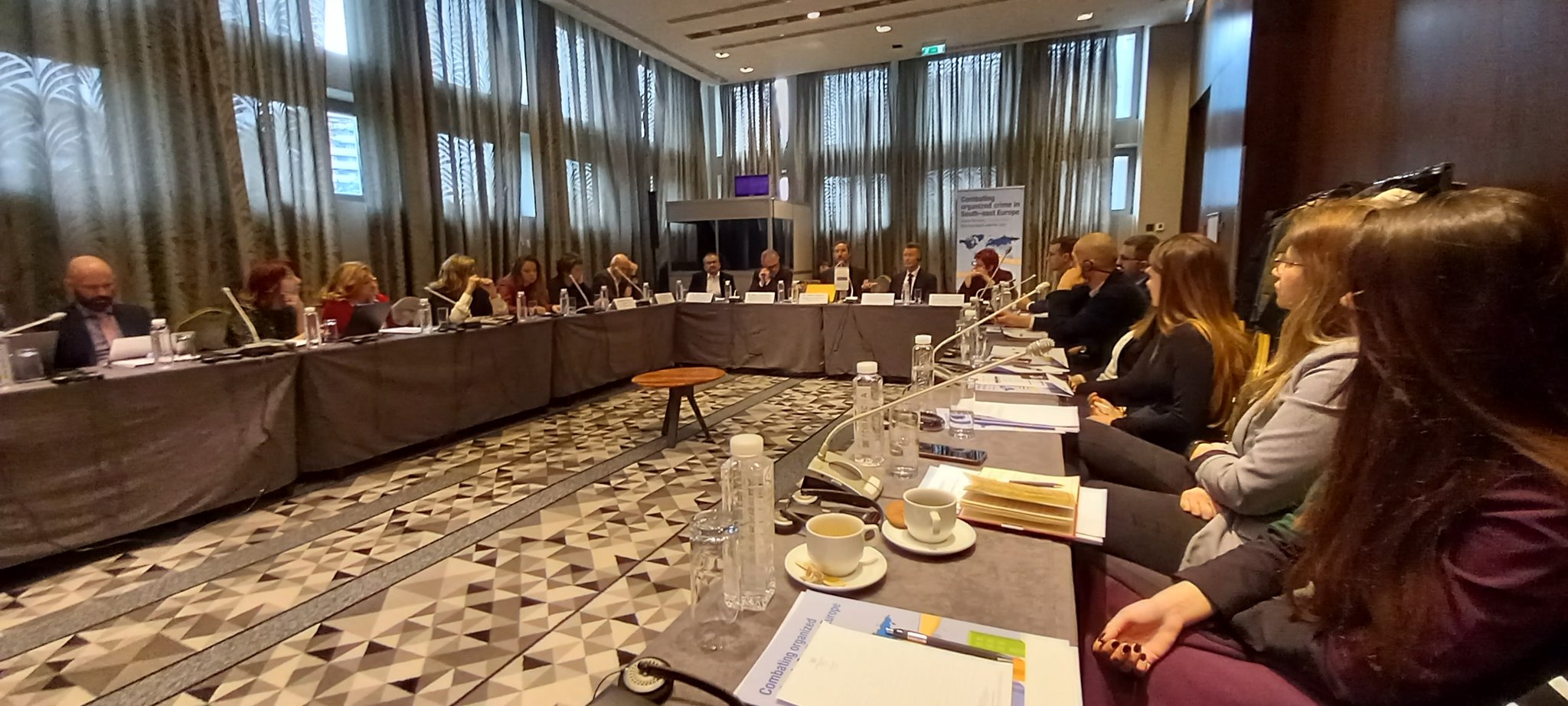
On 24 January, the OSCE organized the third national workshop on the social re-use of confiscated assets in Serbia. The event brought together representatives from the Ministry of Justice, the Republic Public Prosecutor’s Office, the Prosecutor’s Office for Organized Crime, civil society and other international organizations.

The workshop provided a platform for stakeholders to discuss key legislative and practical challenges for the social re-use of criminal assets, as well as how to tackle these challenges. Civil society representatives, including the DPNSEE Executive Director Milutin Milošević, stated that the lack of clear procedures to apply and receive assets for re-use from the government is a key issue. Moreover, transparency and overview of available assets is required for effective social re-use.

The workshop highlighted the importance of co-operation between civil society and government in fighting organized crime.

This activity was organized as part of the Strengthening the fight against transnational organized crime in South-Eastern Europe through improved regional co-operation in asset seizure, confiscation, management and re-use project, which is financially supported by Germany, Italy the United Kingdom and the United States.

CSFD – UNODC cooperation

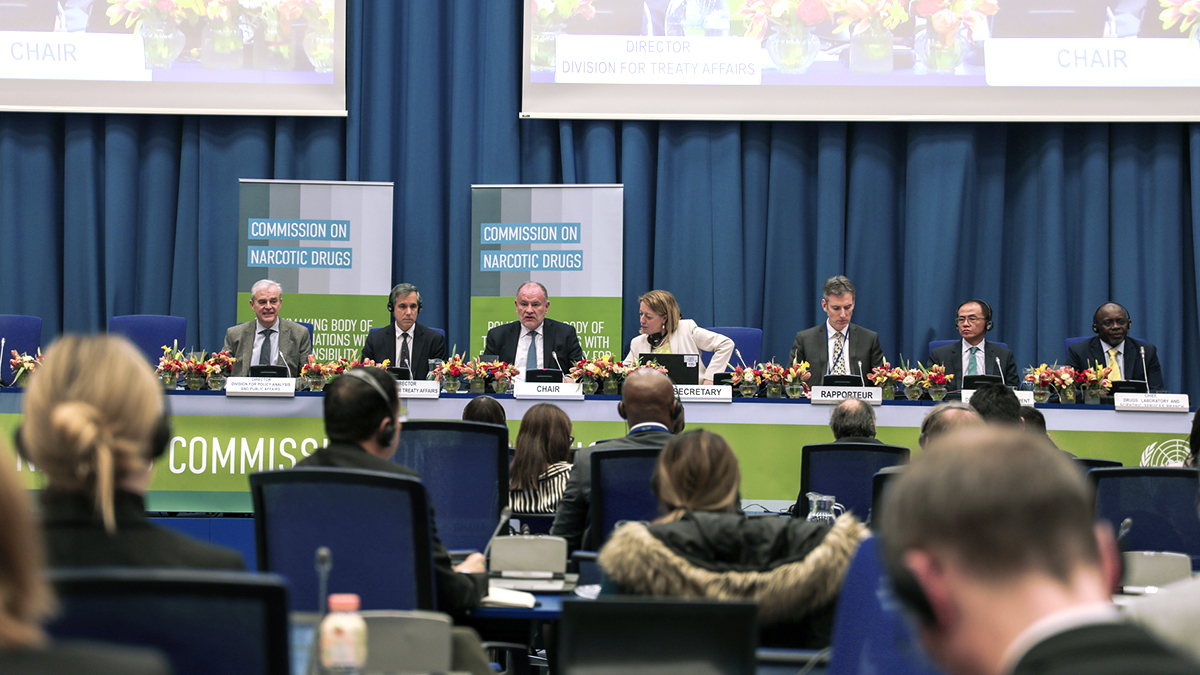
DPNSEE Executive Director Milutin Milošević, member of the EU Civil Society Forum on Drugs Core Group, joined the meeting between the CSFD Working Group 2 and UNODC Brussels Liaison Office. The meeting was scheduled to discuss cooperation on the issues of interest discussed by the European Union related to drugs.

Milutin presented the priorities and work of the Working Group 4 he is chairing. He also pointed the need to advocate for more balanced approach to accession processes for the EU candidate countries, which is currently almost exclusive addressing splly reduction measures.

The two sides agreed in preparing a joint advocacy event in the occassion of the International Day against Drug Abuse and Illicit Trafficking 26 June.

Code of Conduct for fair and effective engagement with civil society organisations

Together with more than 400 organisations and experts, DPNSEE call the United Nations ECOSOC, and in particular the Committee on NGOs, to lead a UN-wide process to adopt a model Code of Conduct for fair and effective engagement with civil society organisations.

The action was proposed by the Centre for Health Science and Law (CHSL).

The text of the Call is available in the document following this link>>>.