

This year started with a few interesting news about actions to regulate drugs. Here is a glimpse from the news from three European Union countries.
Icelandic Government Proposes Drug Decriminalisation
 In the second part of January, the Icelandic government has proposed the decriminalisation of drugs for personal use by adults and launched a consultation exercise to gauge public opinion on the matter. The public consultation is open until 31 January.
The initiative, led by Minister of Health Svandís Svavarsdóttir, is intended as a harm-prevention measure. It includes the provision of additional resources to support users, with particular focus on more marginalised members of society.
This new approach is based on regarding users as patients rather than criminals and follows the minister’s successful introduction last year of a bill to provide safe spaces for drug injection.
The original article is available following this link>>>.
Malta will allow users to grow cannabis plants for personal use
 Prime Minister on Malta Robert Abela, on 18 February when speaking to journalists, announced that cannabis users should not go to jail and will be able to grow a limited amount of plants as he fleshes out some aspects of government’s proposed reform. Abela said Cabinet will shortly be discussing a White Paper that will be published for public consultation. The reform is being piloted by Reforms Parliamentary Secretary Rosianne Cutajar.
He said the reform will end police arrests for people caught in possession of a small amount of cannabis and hinted that the current limit of 3.5g allowed at law would increase.
It was a Labour Party electoral pledge to initiate a discussion on the legalisation of cannabis but so far, no formal proposals have been put forward despite ongoing consultations.
The original article is available following this link>>>.
Norway to Decriminalize Personal Drug Use in ‘Historic’ Shift
 Norway plans to decriminalize the personal use of illegal drugs in small quantities, citing recommendations from the United Nations and the World Health Organization.
The Nordic country will abolish criminal liability “for the use of drugs and the acquisition and possession of a small amount of drugs for own use,” according to legal proposals by the health-care ministry to lawmakers, published on Friday. The acts will be illegal, but not punishable.
Norway, along with its Nordic neighbours, has some of Europe’s highest drug-induced mortality rates. In contrast, the region’s welfare systems rank among the best globally. Norway had 66 cases of drug-related deaths per million adults in 2017, compared with an average of 23.7 for the European Union, according to the European Monitoring Centre for Drugs and Drug Addiction.
The police will confiscate the below-threshold drugs found on any person, who will then be ordered to appear at a municipal advisory unit.
The original article is available following this link>>>.



 The Forum membership comprises 45 civil society organisations coming from across Europe and representing a variety of fields of drug policy, and a variety of stances within those fields. Its purpose is to provide a broad platform for a structured dialogue between the Commission and the European civil society which supports drug policy formulation and implementation through practical advice.

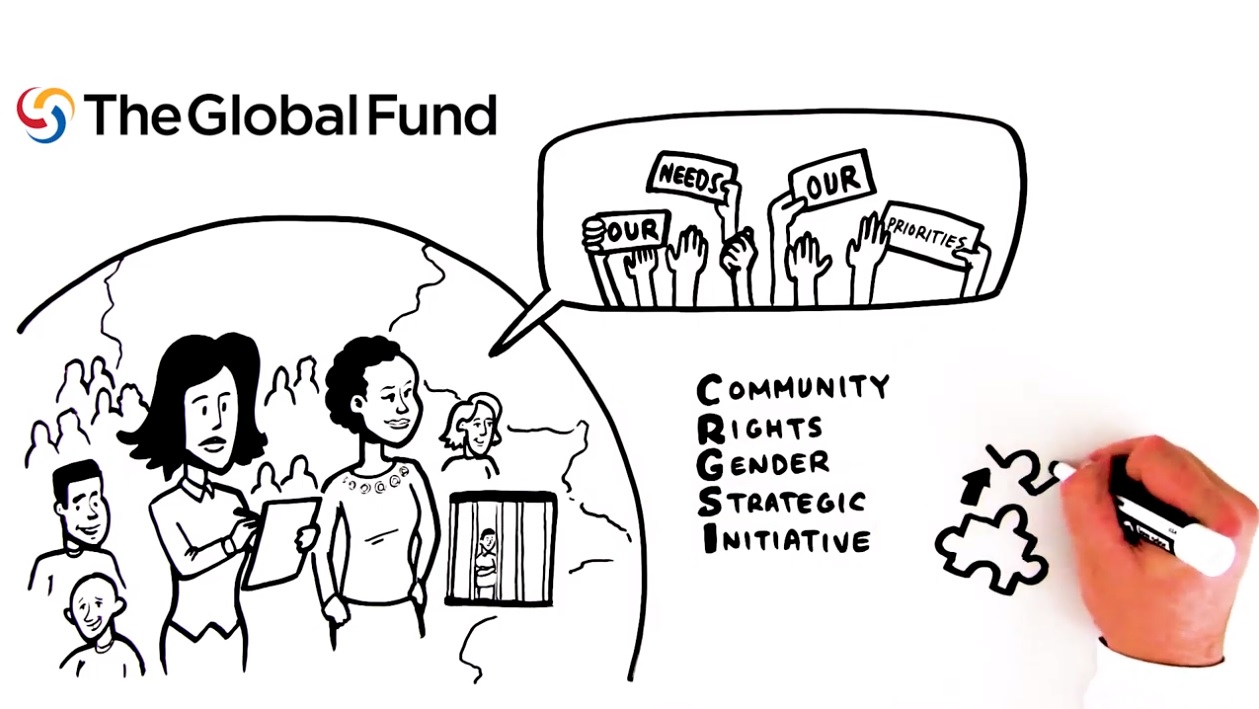
 The short-term nature of technical assistance foresees that community experts can be deployed for approximately 30 days over a period of up to three months.



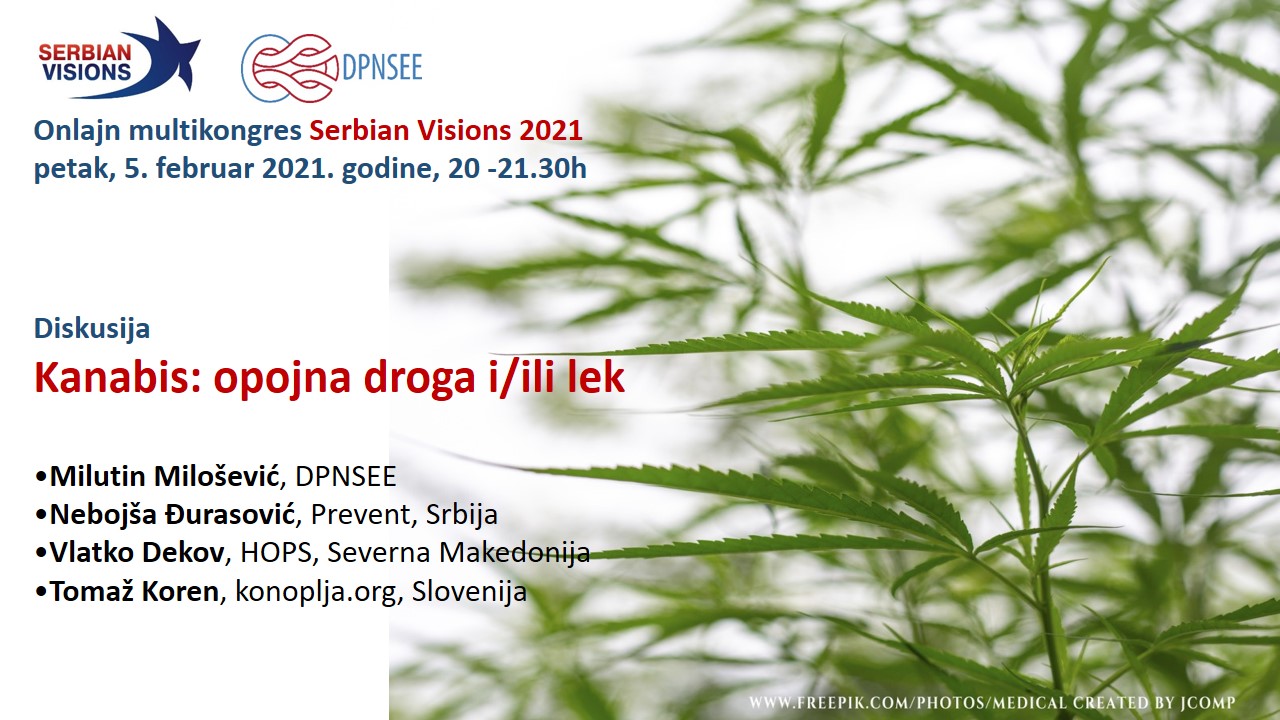
 As part of the Serbia Visions Multicongress, organised by the German-Serbian Chamber of Commerce from 1 to 5 February 2021, DPNSEE will organise online discussion “Cannabis – narcotic drug or/and medicine“.