DPNSEE Board discussed situation in the region

The meeting of the DPNSEE Board was held by Zoom on 13 April 2020. The meeting was scheduled to discuss the current situation related to outbreak of the coronavirus in South East Europe and plan future steps.

Based on the information collected at conference calls with member organisations, the Board concluded that it is time to make some conclusions and decisions about what we can do in the forthcoming period to help member organisations and ensure their sustainability after the current crisis caused by the coronavirus.

The Board also concluded that member organisations and the did a good job reacting in time, providing information to the communities, organising the work of our services in accordance with the situation and protecting our staff and, wherever possible, communicating with state officials and inviting them to protect vulnerable populations. Most of our users behave responsibly, even taking initiative and helping our organisations. The drug market is stable. The problems include lack of opportunity to start the treatment during the epidemic and lack of income to buy essential needs, bit also drugs. In most of the countries, we have problem to ensure enough protective material for our staff. In some countries, state institutions, especially drug agencies/offices, should provide more help to users for methadone distribution, protection of their rights, etc.

The Board decided to call an on-line conference on protection of vulnerable populations in South East Europe for Thursday 23 April. Besides our members and other civil society organisations from the region and wider, we shall invite to the conference national drug agencies and health institutions, international organisations partners and donors.


Mini-European Web Survey on Drugs

In order to investigate and rapidly document the current impact of the COVID-19 epidemics and national responses in the EU Member States on changes in patterns of drug use, harms and service provision, the European Monitoring Centre for Drugs and Drug Addiction (EMCDDA) is carrying out a study using an adapted version of the trendspotter methodology across EU Member States, of which this survey on Impact of COVID-19 on patterns of drug use, harms and drug services in the European Union forms a part. The Mini European Web Survey on Drugs: COVID-19 is part of this snapshot and is being conducted across Europe. The aim is to gather information about how patterns of drug use may have changed in Europe due to COVID-19.

Since the outbreak of COVID-19 across Europe and subsequent national responses to contain and mitigate the epidemic (self-isolation, quarantine, confinement, lockdowns), information has emerged about unprecedented challenges for services providing care to people who use drugs in the community and in prisons. Anecdotal information also indicates that there may have be changes in drug use patterns and in how people are obtaining their drugs. Understanding and sharing information on the consequences of COVID-19 and national response measures on harms deriving from the lack of access to care and how services have adapted as a response may help services improve their responses.

The information collected is entirely confidential and will be kept safely. The questionnaire is also anonymous – although there are a few broad questions about general situation to help understand how different groups of people who use drugs have been affected by the COVID-19 restrictions and how services have responded in different parts of Europe. This will help the sharing of good practice and improved preparedness in the future.

To contribute to the survey, follow this link>>>

Greek organisations started street work with vulnerable groups

The Positive Voice announces the suspension of the operation of the prevention and examination centres “Checkpoint” in Athens and Thessaloniki, from 16 March 2020.

In the context of our contribution to the suspension of the spread of the pandemic, but also to the protection of the health of their visitors, volunteers and employees, the Association took all appropriate measures and has already stopped the operation of Red Umbrella Athens in Omonia and the examinations at the “Syn Athena” Home of the Municipality of Athens.

But, the same day, in the framework of the emergency plan for the care of homeless and psychoactive substance users, the Municipality of Athens held a meeting with organizations active in the field of prevention and harm reduction of vulnerable groups. The Association of HIV-positive people of Greece “Positive Voice”, the Association of Liver Patients “Prometheus“, OKANA, KETHEA, Praksis, STEPS and Doctors of the World were invited and attended.

The agreements that were unanimously accepted are oriented to the following actions:

  • Minimize the transmission of the virus to the vulnerable population, through continuous information, wide distribution of sanitary and pure injectable material and access to personal hygiene, nutrition and hospitality services.
  • Adoption of measures aimed at reducing the consequences of the transmission of the virus

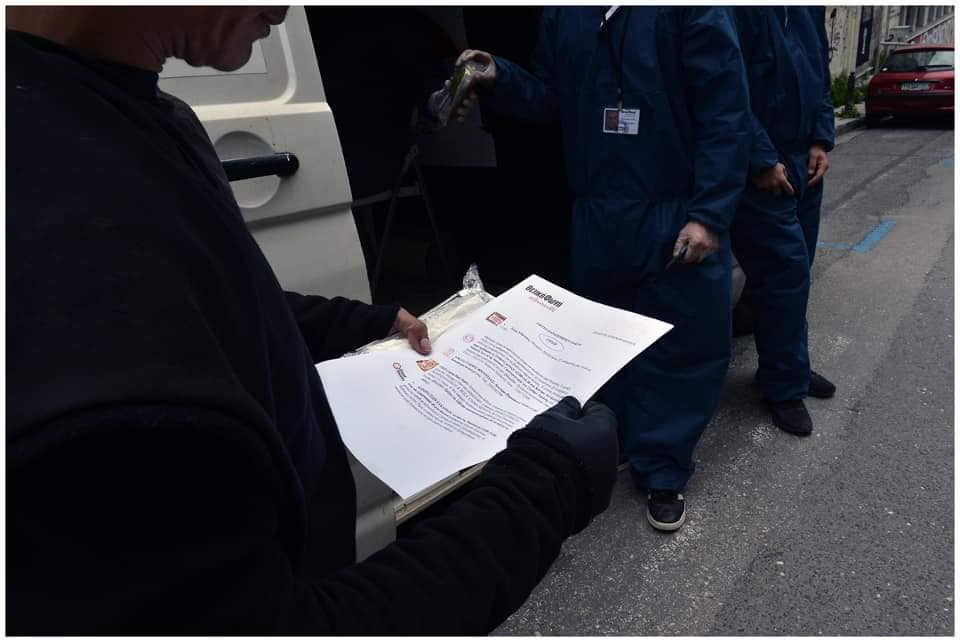
Since then, the street work of the associations “Positive Voice” and “Prometheus” has been carrying out actions to support vulnerable groups through the provision of food, safe use synergies and protective equipment (such as gloves and condoms).

In particular, to date they have reached 434 people and have distributed more than:

  • 200 kit of sanitary material for injectable use
  • 2,882 condoms
  • 110 servings of food
  • 464 snacks (toast / sandwich / croissant)
  • 208 juices and water

The Anti-Narcotics Agency (OKANA) has contributed to this effort by distributing sanitary material, safe use synergies and information leaflets.

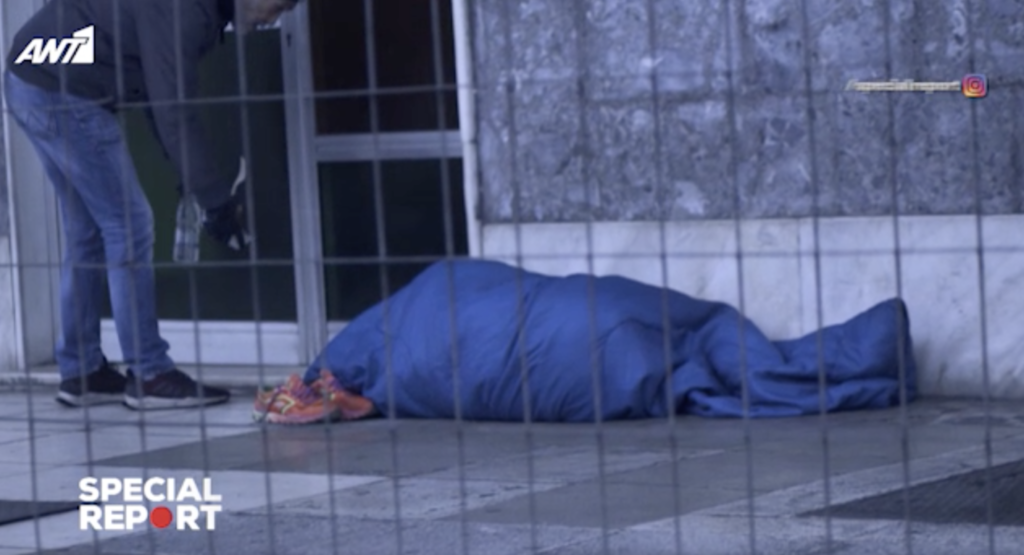
On Tuesday, April 7, 2020, the Association of HIV-positive people of Greece “Positive Voice” and the Association of Patients of Liver of Greece “Prometheus” were hosted on the ANT1 show “Special Report”.

Journalists conducted extensive research discussing the people who live on the streets and the organizations that implement their support programs. Following the appearance of the first case of COVID-19 in a homeless day centre in Piraeus, the show is investigating the safety net of vulnerable groups from the spread of the virus.

As part of the emergency plan of the Municipality of Athens for the care of homeless and users of psychoactive substances, the two associations have undertaken an extraordinary initiative through street work, in order to support vulnerable groups. Users of psychoactive substances, homeless people, sex workers, immigrants and refugees are the target groups of the initiative and their support is provided through the provision of safe use and protective materials (such as gloves, injectable material and condoms).

In his interview, the President of the Association “Prometheus”, George Kalamitsis, among other things, noted that things have not changed enough today. “What has changed is that some of our fellow citizens are more afraid. There is fear either for the pandemic, or because there are too many police in central Athens at the moment. The reasons are obvious, but they are scary. As for the hospitality structures and the supervision of the people who live in them, we need services that can be adapted to the needs of the people.

At the same time, Nikos Fitsialos, head of the street work team, added that “general attention needs to be paid to the people who are outside, especially now that citizens who are in solidarity are not circulating and will share a portion of food or a conversation. People lack communication. We notice that people want to talk to us, they ask us and they need it. Not necessarily to learn information about the coronary artery, but to have a human contact.

In the interview, the Municipality of Athens highlighted the need to minimize the transmission of the pandemic to vulnerable populations, through continuous information, wide distribution of medical supplies and access to personal hygiene, nutrition and hospitality services. In addition, Nikitas Kanakis from Doctors of the World added that “the homeless today are under the radar of epidemiological surveillance and are people who do not have the ability, not only to protect themselves but also do not have the right to individual responsibility.

The action of the street work team takes place three times a week, every Wednesday, Thursday and Friday and is implemented mainly in Omonia, Exarchia, Syggrou Avenue in Metaxourgeio and on Panepistimiou (Nomiki), Kavala, Iasonos, and Patision (ASOE) streets. . After careful consideration of the growing needs, it is necessary to expand working hours and days, something that will happen very soon.

Positive Voice also published advice for Greek citizens that have been stranded abroad and those that are not a Greek citizen and have been stranded in Greece on the procedure for accessing antiretroviral treatment.

For more information about activities in Greece, you can contact Positive Voice.

COVID-19 crisis’ Impact on PLHIV and on Communities Most Affected by HIV

Concerns have been raised about the various implications the COVID-19 pandemic can have for people living with HIV and different communities affected by HIV, as well as for healthcare systems. There are also opportunities and solutions to be found. The European AIDS Treatment Group, as a network of people living with and affected by HIV and partners in Europe and Central Asia, supports community reporting and exchange between members and partners to support mutual learning and advocacy at local or European levels.

This rapid assessment aims to document in a structured manner the perceptions of people living with and affected by HIV and that of organisations providing services to affected communities about the way in which COVID-19 impacts their health, well-being and access to HIV related prevention, treatment and care. This assessment has its limitations and biases (little time to develop the tool, questionnaire only available online and only in English, limited time the survey was open). Nonetheless, this rapid assessment provides a snapshot of information, concerns and solutions shared by respondents in several countries during the week of 27 March to 3 April 2020.

Respondents include those from Romania, Albania, Slovenia and Greece.

The rapid assessment is available following this link>>>


Social Security Protocol for Civil Society

CIVICUS – a global alliance of civil society organisations and activists dedicated to strengthening citizen action and civil society throughout the world, published “Protecting our co-workers during COVID-19: A Social Security Protocol for Civil Society”. It includes a set of social protection measures that civil society organisations can consider to protect our colleagues from the adverse economic and psychosocial consequences of the pandemic.

Based on the International Labours Organisation’s policy framework to fight coronavirus, the six-point protocol provides a shared template for civil society groups to deliberate context-specific measures and adopt feasible actions in a time-bound and transparent manner. The proposed measures are:

  1. Systems to ensure physical distancing and other precautions.
  2. Support for COVID-19 testing and related treatment.
  3. Protection of jobs and pay across the COVID-19 lockdown and escalation period.
  4. Flexibility and support for home and care related responsibilities.
  5. Extending our community of care to our collaborators and constituencies.
  6. Acting in solidarity with workers and other vulnerable communities.

DPNSEE have signed the Protocol.

Should your organisation like to do the same, find the Protocol following this link>>>


Services in Slovenia well organised

Drop-in centres in Slovenia have been closed by the decision of the Ministry of Labour, Family and Social Affairs since the beginning of the COVID-19 epidemic.

In Ljubljana, the Association for Harm Reduction Stigma continues to distribute sterile injecting equipment. The mobile outreach service (a van) continues to operate in the central part of Slovenia.

Injecting drug users have access to sterile injecting equipment but security measures are introduced: clients and staff have to keep 1.5 m distance from each other. All other information and counselling are available via telephone or online.

Drug testing, performed by Association Drogart, is open, but in smaller scale as before and with more safety measures.

OST is working, users get their take home medicine for a week, some even for two or three weeks. OST delivery was organised in a very good way since the first indications that the epidemic can hit Europe appeared.

One of the problems is closure of public transportation, which means that some persons cannot reach the OST clinics. For some of them, Association for harm reduction Stigma can deliver their methadone.

The greatest challenge is to support homeless people because they have nowhere to go (all daily care programs are closed, as well as public toilettes, due to safety reasons). There are negotiations with local authorities and ministries on how to deal with this situation.

Night shelters and safe houses for women are still open. However, it is very problematic because staff and clients have no safety masks. The use of disinfectants is mandatory.

The shelter in Ljubljana, run by the organisation Krali ulice, received new furniture. A special shelter for homeless people who may be infected with coronavirus is ready if this happens.

New COVID-19 documents translated into Serbian

Timok Youth Centre from Serbia and DPNSEE continue translating and publishing UNODC documents in Serbian. Now this includes three infographics on COVID-19 – HIV prevention, treatment, care and support for people who use drugs:

Philanthropy is opening an urgent shelter

Our newest member organisation Philanthropy, in collaboration with the City of Kragujevac, Serbia and the local Centre for Social Work, is opening the urgent shelter for socially vulnerable homeless people in Kragujevac. This service will enable protection of beneficiaries’ health well-being and prevent COVID-19 spreading. Urgent shelter will be provided based on the referrals submitted by the Centre for Social Welfare, according to the Law on Social Protection.

The project for opening the shelter for homeless people was developed for some time and completed just now, at the outbreak of the coronavirus. That helped the local community to offer home to some of those who were in jeopardy now when elderly people, especially those who are in pensioners homes, are in a high risk category.

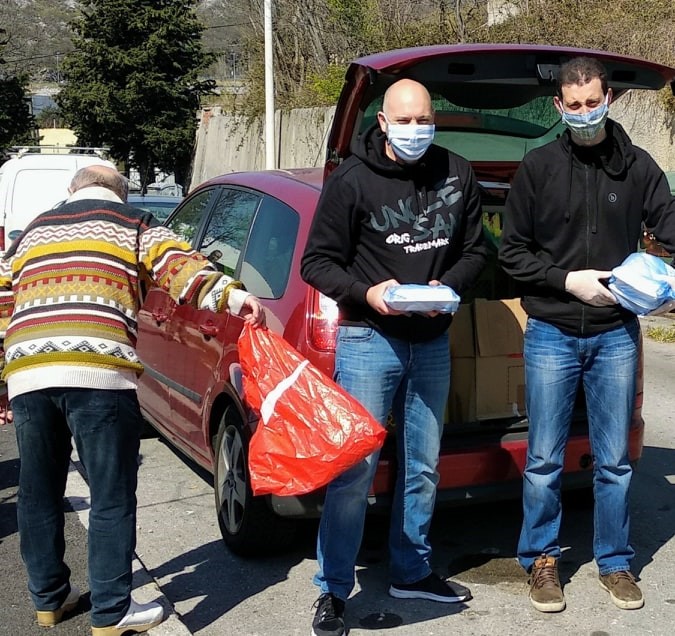
DPNSEE managed to provide Philanthropy with an amount of hygienic material, masks and clothes for users of their centre.


Terra Association Programs in the Age of Coronavirus Outbreak

Our member organisation Terra sent us information about their work in the new circumstances caused by the coronavirus outbreak through the words of two of their staff.

Marko Mušković, Program assistant on the program to increase social inclusion of the users of the City of Rijeka Emergency Accommodation

As of 1 June 2018, the Terra Association has been implementing a program to increase the social inclusion of beneficiaries of City of Rijeka emergency accommodation, which, as far as field work is concerned, has been paused at the request of the National Civil Protection Headquarters, due to the need to protect our users and the association staff.

But these almost two years of work in three locations covering the necessary accommodation have proven useful now when we are able to provide help not to all, but probably the most vulnerable citizens, in their elementary need – nutrition. Namely, the drastic reduction of the public transport lines necessary for the beneficiaries to go to one of the four points of public kitchen prevented them from exercising their right to use the food service, which for many is the only opportunity to consume freshly prepared food.

Therefore, since 26 March 2020, in cooperation with the Department of Health and Social Welfare of the City of Rijeka, the head of emergency accommodation Mrs. Nevenka Kovačević and the City of Rijeka Red Cross Society, whose staff prepare the food, a hot meal is provided at all three locations. The number of beneficiaries (and thus the meals) is almost every day increasing, and some of them are using this service for the first time.

As a rule, meals are distributed outside, in front of the necessary accommodation. Exceptionally, due to the poor health of individual beneficiaries, meals are delivered to their doorstep. A record is kept of each user: whether or not he has taken over his meal, with the possible note that, if done, the food has been handed over to a neighbour or friend.

On this occasion, we thank our dear beneficiaries for their patience, adherence to social distancing, respect for order in distributing meals process, and readiness to use protective masks and gloves. Also, we have to mention the important role of the Centre for Social Welfare, especially social workers, who through their tireless work have promptly enabled their beneficiaries to exercise this right.

Without diminishing the importance of meeting the basic necessities of life, for our part, we try to additionally “spice up” every bite – with a warm word.

Ilijana Grgić, Harm reduction program assistant

Terra Association Drop-in centre is closed to visitors from March 16 and the injection equipment (needles, syringes, ampoules of distilled water, alcoholic wipes, condoms and lubricants) is distributed through a so-called ”window”. We notice that our clients take more equipment than usual, which indicates the creation of supplies. Thanks to the donation of Neosalon, since Monday we have been sharing reusable masks to the clients of our programme.

Since last week, needle exchange programme has been operating from 11 am to 2 PM. Some of our clients are working, so they cannot come during the specified hours. For them and some others, there is a telephone line available, which they can call and arrange another time of picking up the injection material.

Psychological support is still being provided, but over the telephone. Our colleagues are in regular contact with numerous clients and their family members.

Users still have the opportunity of using the telephone; this is very important for them, to contact their doctor and loved ones. Of course, the telephone and the space around the Drop-in centre are regularly disinfected.

Considering that currently there is no option of using the kitchen, food is being provided for the clients of poorer economic status.

Except the information about the working hours, clients have been introduced to the recommendations of the National civil protection headquarters and Basic measures of protection against the new corona virus for drug users, provided by DPNSEE.

At the Gea Counselling Centre, we are in ongoing online communication with all our beneficiaries through social networks (Facebook and Instagram) and different application platforms like Viber, Whats App, Skype and Zoom. Counselling centre staff members’ phone numbers and e-mails are published and visible on all of our social platforms.


AIDS 2020 goes virtual

In light of the COVID-19 pandemic, the 23rd International AIDS Conference (AIDS 2020), to be held on 6 – 10 July 2020, will become the first virtual edition of the International AIDS Conference because the health and safeguarding of our community is our highest priority.

AIDS 2020: Virtual will enable delegates to access and engage with the latest HIV science, advocacy and knowledge traditionally presented at the conference. It will be a combination of virtual sessions and community networking, including exhibitions, workshops, the Global Village, satellites and pre-conferences, that will reach audiences around the world.

The decision was informed by advice from the World Health Organization, UNAIDS, leading global and local health authorities and people living with HIV around the globe. In particular, organisers are acutely aware that there is not yet sufficient data on whether people living with HIV are more susceptible to COVID-19 or more likely to develop severe disease. Therefore, there is a special obligation to reduce any potential risk to the HIV community.

The theme of this year’s conference is Resilience and there is no better word to describe the HIV community and its ability to come together in a shared commitment to the global HIV response.

Registered delegates will be contacted directly in due course with further information on the new, reduced pricing structure. Details about the virtual programme will be shared in the coming weeks.

Follow the conference website for more information.